The Ant Colony's Perfume and How Pollution Erases It
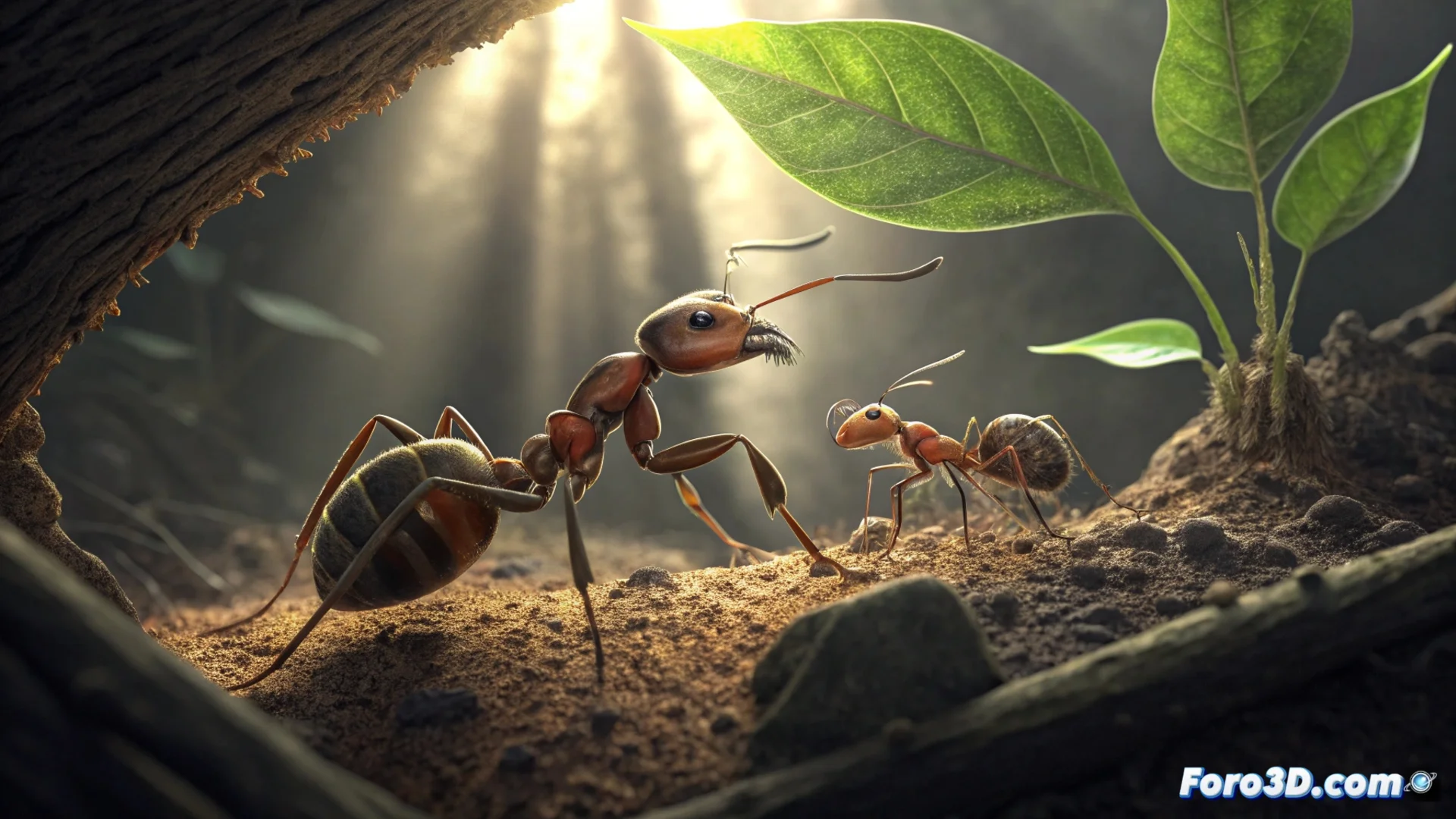
Have you ever wondered how ants greet and recognize each other inside their anthill? 🐜 Their society operates with an identification system based on an exclusive scent, similar to an olfactory ID card. Each family group has its own personal chemical signature, a "colony perfume" that they use to confirm who is part of the clan. Without this code, their organized world would collapse.
Ozone and Other Pollutants That Steal Their Identity
Imagine the confusion of arriving home and having your loved ones treat you like a stranger. This is what these insects experience when they inhale common substances in polluted air. Compounds like ozone modify the hydrocarbon layer that covers their exoskeleton, which is precisely where they store their olfactory essence. By altering their scent, other ants stop perceiving them as allies and respond with hostility, as if they were invaders. 😟
Consequences of Losing the Social Scent:- Workers attack members of their own colony, generating internal conflicts.
- The essential cooperation for foraging and defending the nest is disrupted.
- The colony weakens because it expends energy on unfounded aggression.
Pollution not only dirties the air, but also disrupts the most fundamental social codes of nature.
A Bioindicator of the Invisible Effects of Pollution
This event goes beyond entomological drama. It serves as a precise bioindicator of how atmospheric dirt interferes with the chemical dialogues of the animal kingdom. If such a basic and vital mechanism as ant recognition breaks down, what other essential and hidden processes will pollution be disrupting in ecosystems? 🧪
What This Phenomenon Reveals:- It shows that pollutants have subtle effects beyond the obvious.
- It indicates that they alter the communication that many species use to organize themselves.
- It raises questions about the long-term impact on habitat stability.
A Reminder of Strange and Subtle Effects
In the ant universe, breathing polluted air is equivalent to erasing friendly faces from their collective memory. This fact is a clear warning that the consequences of what we emit into the atmosphere can be more complex and strange than we usually imagine. It forces us to consider not only what we see, but also what organisms smell and perceive to survive. 🤔