Tesla and the German Unions: A Showdown to Define How to Work
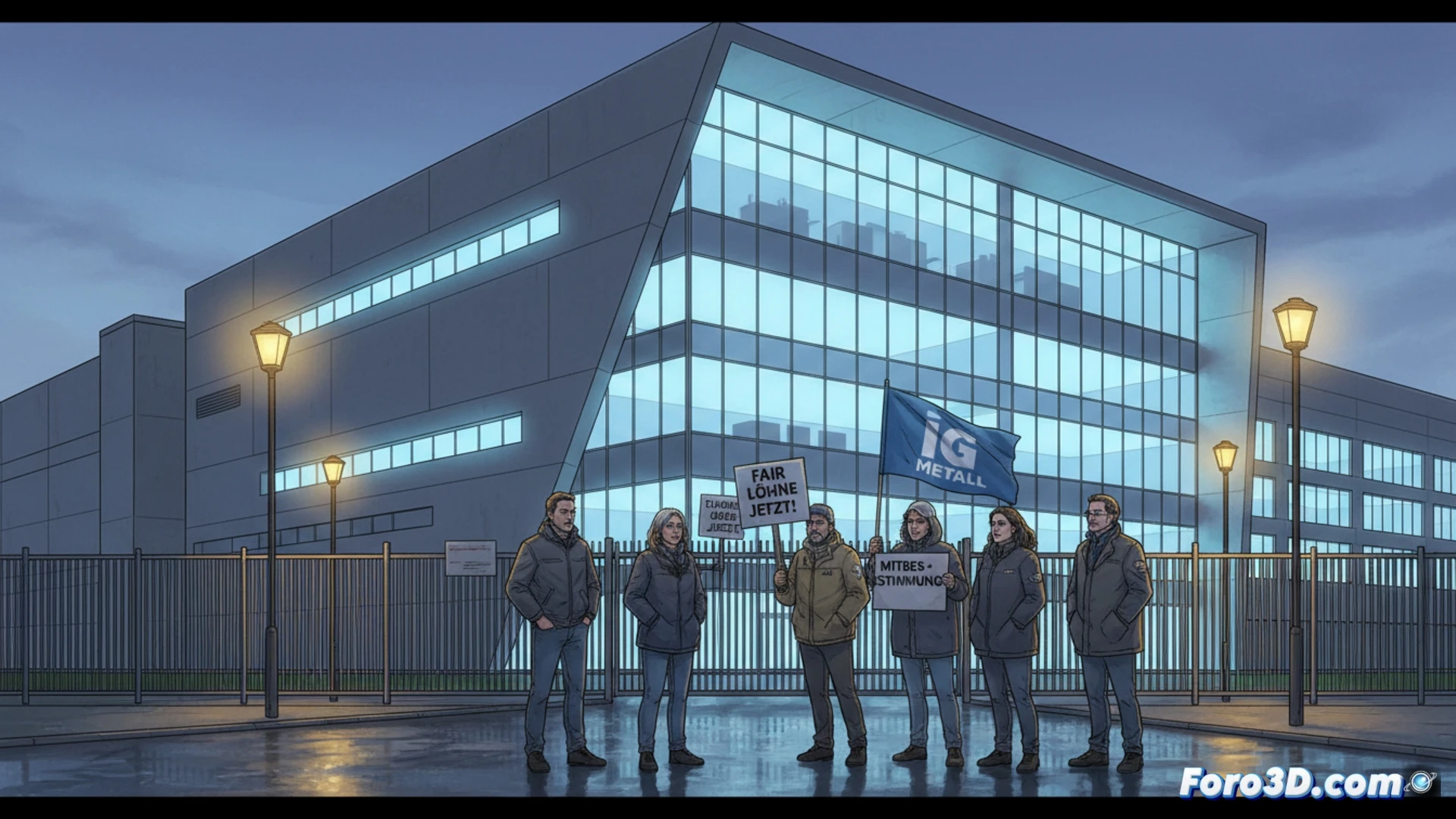
What happens when a global corporation with a unique management model sets up in a country with deeply rooted labor traditions? 🏭 The case of Tesla in Germany is a perfect example. Elon Musk's company is facing IG Metall, one of Europe's most powerful union organizations, in a conflict that redefines basic concepts in the factory.
The Clash Between Two Opposing Philosophies
On one hand, Tesla operates with a direct style and a hierarchy where decisions flow from top to bottom. On the other, the German system, backed by IG Metall, is based on codetermination, which gives workers a formal role in company decisions. The central dispute is not just negotiating salaries, but determining which legitimate entity represents the workforce: a company-promoted internal committee or the traditional union? 🤔 It is a struggle for voice and space within the factory.
Key Points of the Confrontation:- Representation Model: Tesla prefers direct communication channels with its employees, while the union defends its historical role as the sole and official interlocutor.
- Decision-Making Power: German law allows workers to participate in the boards of directors, which clashes with Tesla's vertical management culture.
- Symbolic Battles: A simple conflict over placing a union poster in the plant can end up in court, showing that the fight is for physical and legal territory.
It is not just negotiating; it is sharing decision-making power over how work is done.
Codetermination: A Transformative Concept
To understand the magnitude of the clash, one must know Mitbestimmung or codetermination. This legal principle allows worker representatives to have a seat and vote in the governing bodies of large companies. For a firm like Tesla, accustomed to moving with agility and centralized control, integrating this system means a profound paradigm shift. It is not just about listening to suggestions, but formally incorporating another party into the decision-making process.
What Does This Social Experiment Imply?- Fusion of Models: We observe if a hybrid approach can emerge that combines Tesla's agile innovation with the stability and rights of the German model.
- Test for Globalization: It is a case study on how multinational corporations adapt to highly defined local legal frameworks.
- Future of Work: The outcome could set a trend on how labor relations will be structured in high-tech industries in Europe.
An Outcome Yet to Be Written
Will Tesla's disruptive innovation prevail, or Germany's consolidated union tradition? Most likely, the outcome will not be a clear victory for one side, but the creation of a new format for labor relations. This showdown at the Grünheide factory is more than a local conflict; it is a laboratory testing how the very concept of work could evolve in the 21st century. 🔍 The world watches to see if a model will emerge that not even visionaries like Elon Musk had foreseen.