Tchia: how a small team uses Unreal Engine 4 to create a unique world
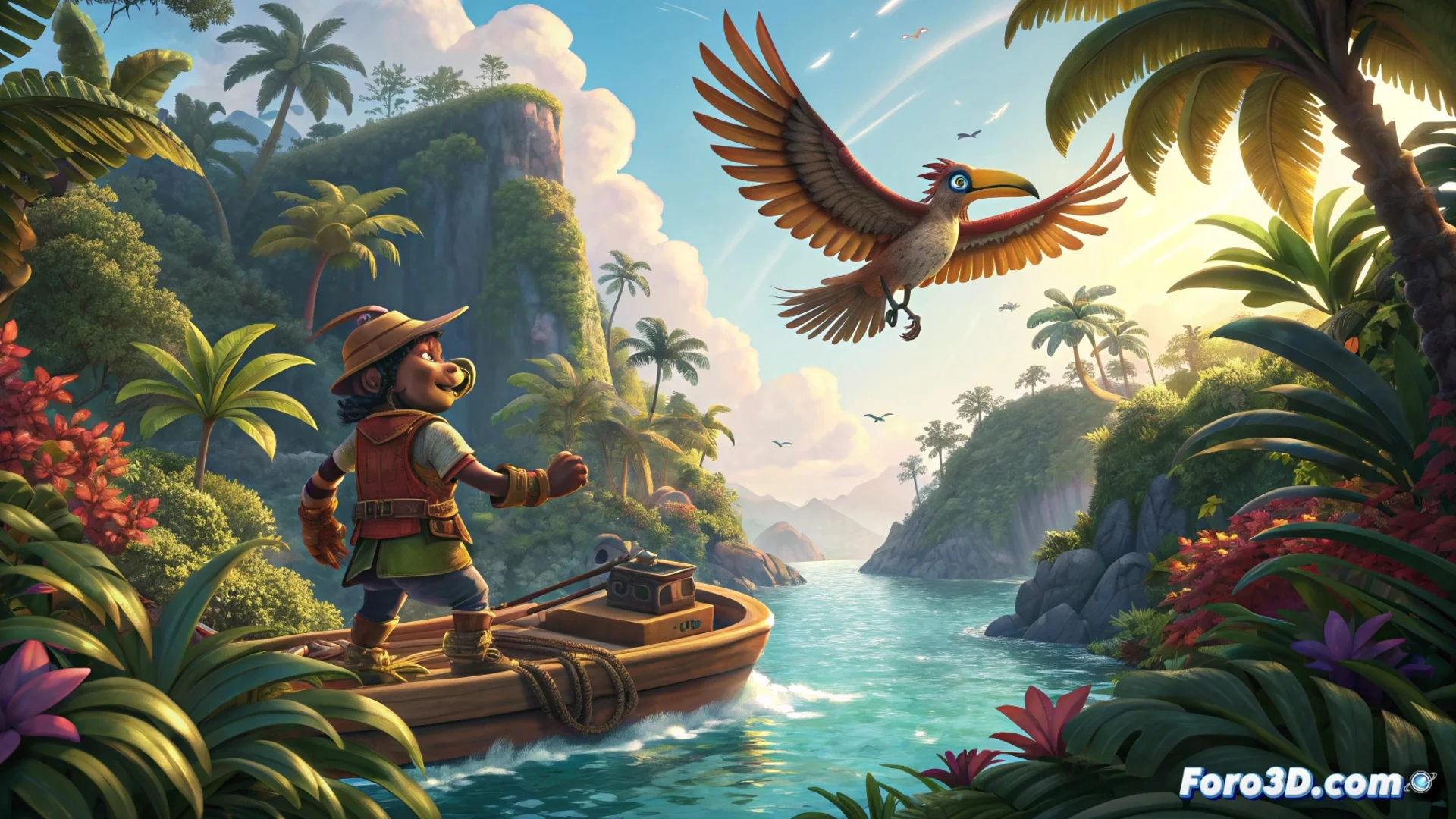
The Tchia project is an inspiring example of how a studio with few members can leverage a commercial engine like Unreal Engine 4 to bring a very personal artistic vision to life. Instead of seeking photorealism, the game adopts an energetic cartoon aesthetic with vivid tones, drawing direct reference from the environments and culture of New Caledonia. This creative decision allows it to stand out with an unmistakable graphical personality 🎨.
Technical and gameplay pillars of the project
Beyond its appearance, the title stands out for implementing complex technical systems. The team invested time in creating a water simulation with its own physics and in giving movement and realism to the flora. The core mechanic, called soul possession, grants the player the ability to temporarily control almost any creature or element in the scenario. This completely redefines how the game is played and significantly expands the options for exploring and interacting with the world 🕹️.
Key elements that define Tchia:- Unique visual identity: Cartoon graphics inspired by the landscapes of New Caledonia.
- Custom technical systems: Water simulation with physics and dynamic vegetation.
- Innovative core mechanic: Soul possession to control animals and objects.
Sometimes, the key is not having more polygons, but knowing which bird to turn into to dodge a rendering problem.
Tools and production methodology
To build this universe, the studio relied mainly on Unreal Engine 4. They used Blender to model and animate all the 3D assets, and relied on UE4's integrated audio system to manage sound. This combination of powerful and accessible software allowed them to focus their resources on polishing the gameplay and the game's distinctive atmosphere. This case validates that a general-purpose engine can adapt seamlessly to very specific artistic proposals 🛠️.
Main workflow:- Graphics engine: Unreal Engine 4 as the development base.
- Modeling and animation: Blender to create the 3D elements.
- Audio: Tools integrated in UE4 to manage sound.
Conclusion: lessons from indie development
Tchia demonstrates that the success of a video game does not depend solely on the size of the team or the budget, but on a clear vision and intelligent use of available tools. By combining Unreal Engine 4 with software like Blender, they achieved a result with a solid technical and artistic identity. The project serves as a reference for other developers seeking to create memorable worlds with limited resources, proving that well-directed creativity is the most valuable asset 💡.