A recent study documents a peculiar behavior in sea sponges. To expel sediments that clog their pores, they perform slow contractions and expansions. This process, which resembles a sneeze, is their method for keeping their complex internal water filtration system functional.
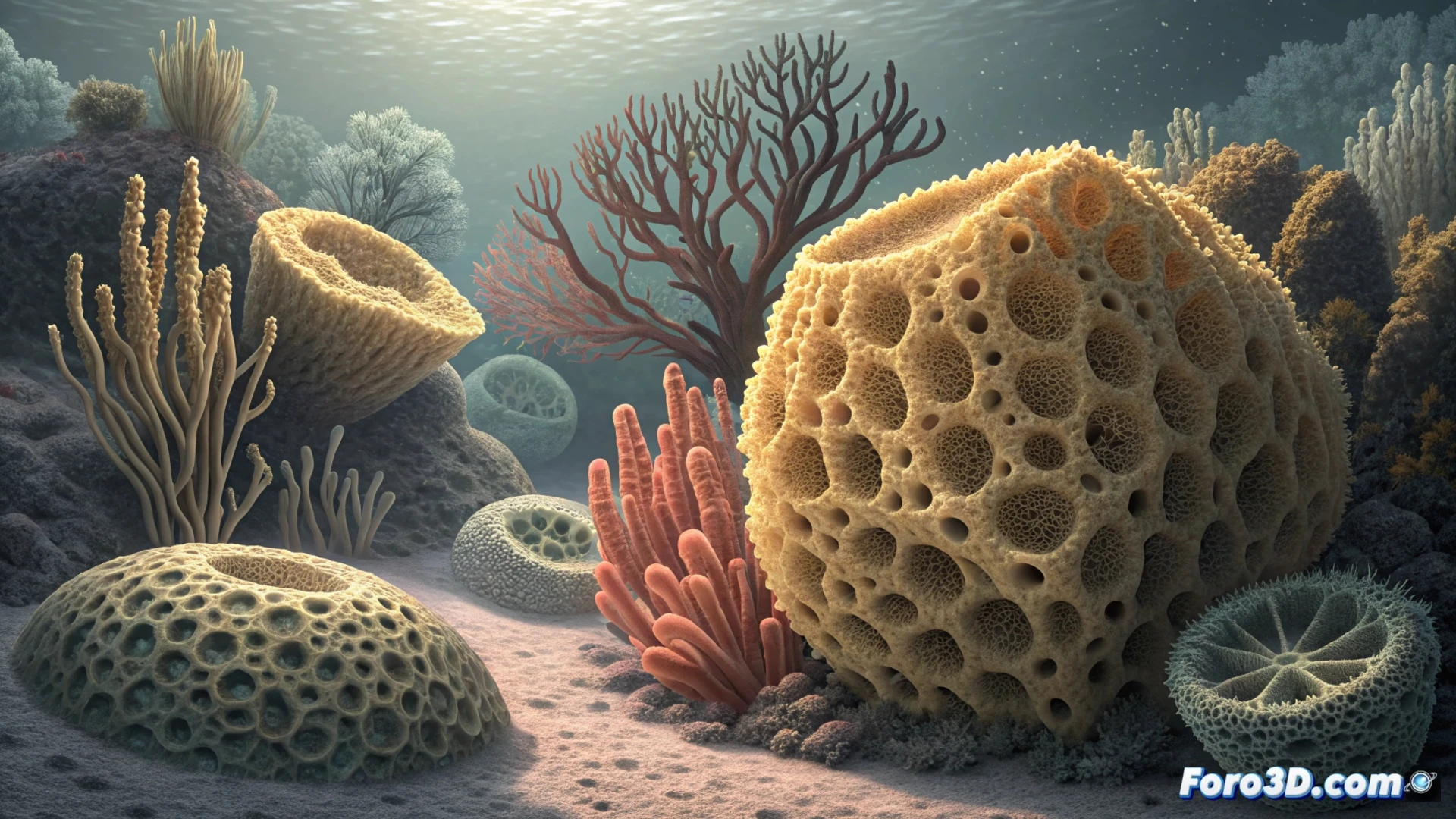
Biological inspiration for self-cleaning systems ?��
The mechanism is an example of passive efficiency. The sponge coordinates the closing and opening of internal channels to move waste toward expulsion zones, without a central nervous system. Analyzing this design could inform the development of self-cleaning filters or microchannel networks that prevent clogs through rhythmic pulses, reducing maintenance in industrial systems.
The 45-minute sneeze: when your cleaning routine is slower than a sponge ??
While we procrastinate cleaning the air conditioner filter, these organisms have been executing their cleaning protocol with abyssal patience for millions of years. We complain about a minute washing a colander, but they dedicate nearly an hour to their achoo underwater. Perhaps we should rethink our priorities, or at least admit that in lazy efficiency, sponges have the upper hand on us.