A team of researchers has set a record in data storage density. Using a ceramic sheet the size of a folio, they managed to encode 2 terabytes of information. The technique used involves recording microscopic QR codes with an ion beam, a method that brings physical storage closer to the capacities of a conventional hard drive.
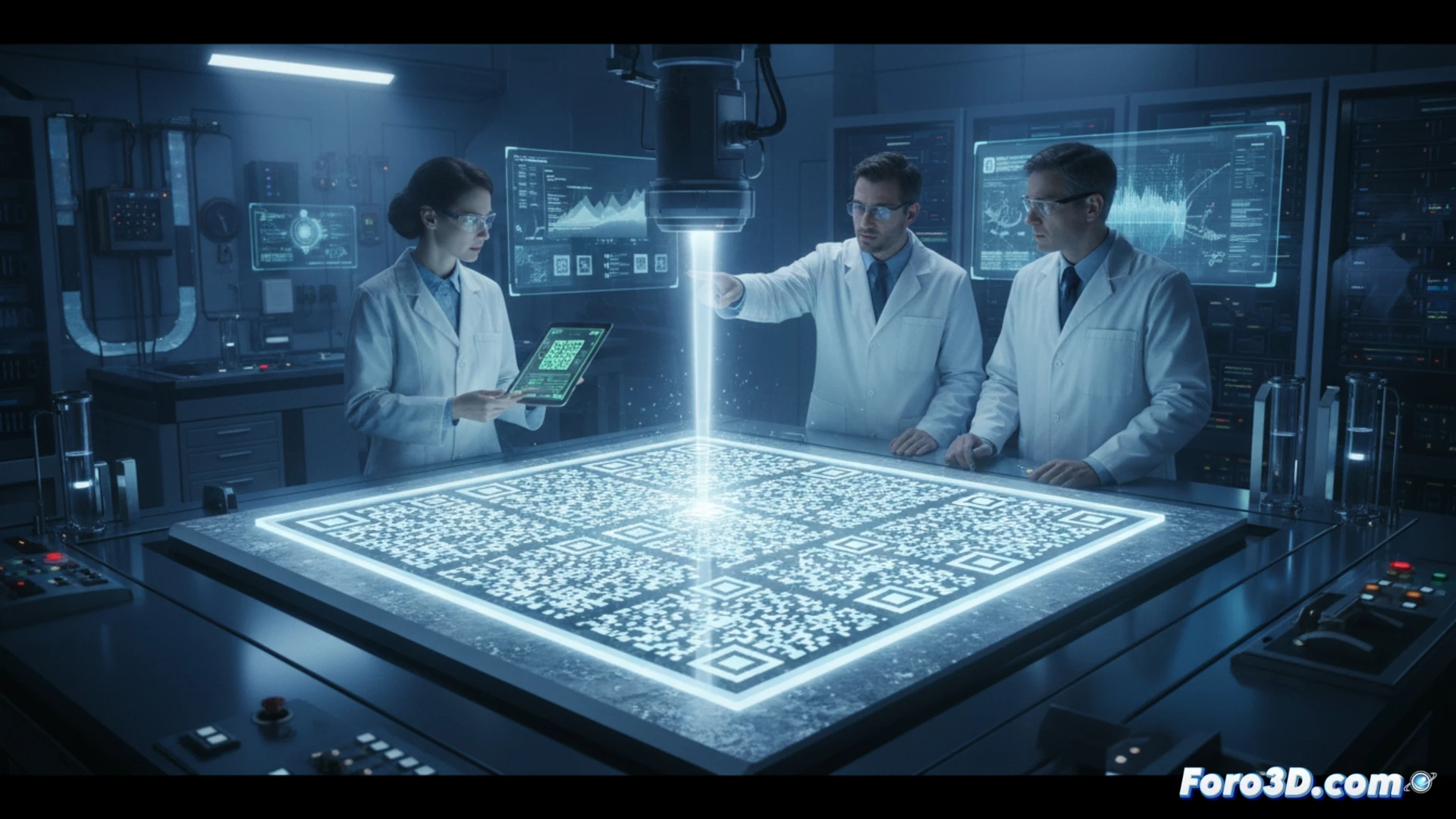
Femtosecond Ion Beam Writing Technique ⚛️
The process is based on a femtosecond laser that emits pulses of gallium ions. This beam acts as an engraving tool at the nanoscale, recording points on the surface of silica ceramic. These points form microscopic QR codes, which are then read by an optical microscope and decoded by software. The stability of the ceramic material suggests that the data could remain intact for decades.
Your Next Backup Could Be a Bathroom Tile 🧱
Imagine the file recovery process. You would spend less time searching through disorganized folders and more time scratching the surface of your ceramic plate with a toy microscope. Instead of worrying about an SSD failure, your biggest risk would be that someone mistakes your 2 TB digital library for a coaster and leaves a beer stain trail over your data. The ultimate backup, until a blow turns it into the world's most expensive puzzle.