Recent studies in neuroscience establish a link between artistic practice and measurable physiological benefits, such as cortisol reduction. For our community, this has a clear technical reading: disciplines like modeling, animation, or shader design act as modulators of cognitive states. That mental flow we experience when working is not just productivity; it is a process that science now associates with emotional regulation and neuroplasticity.
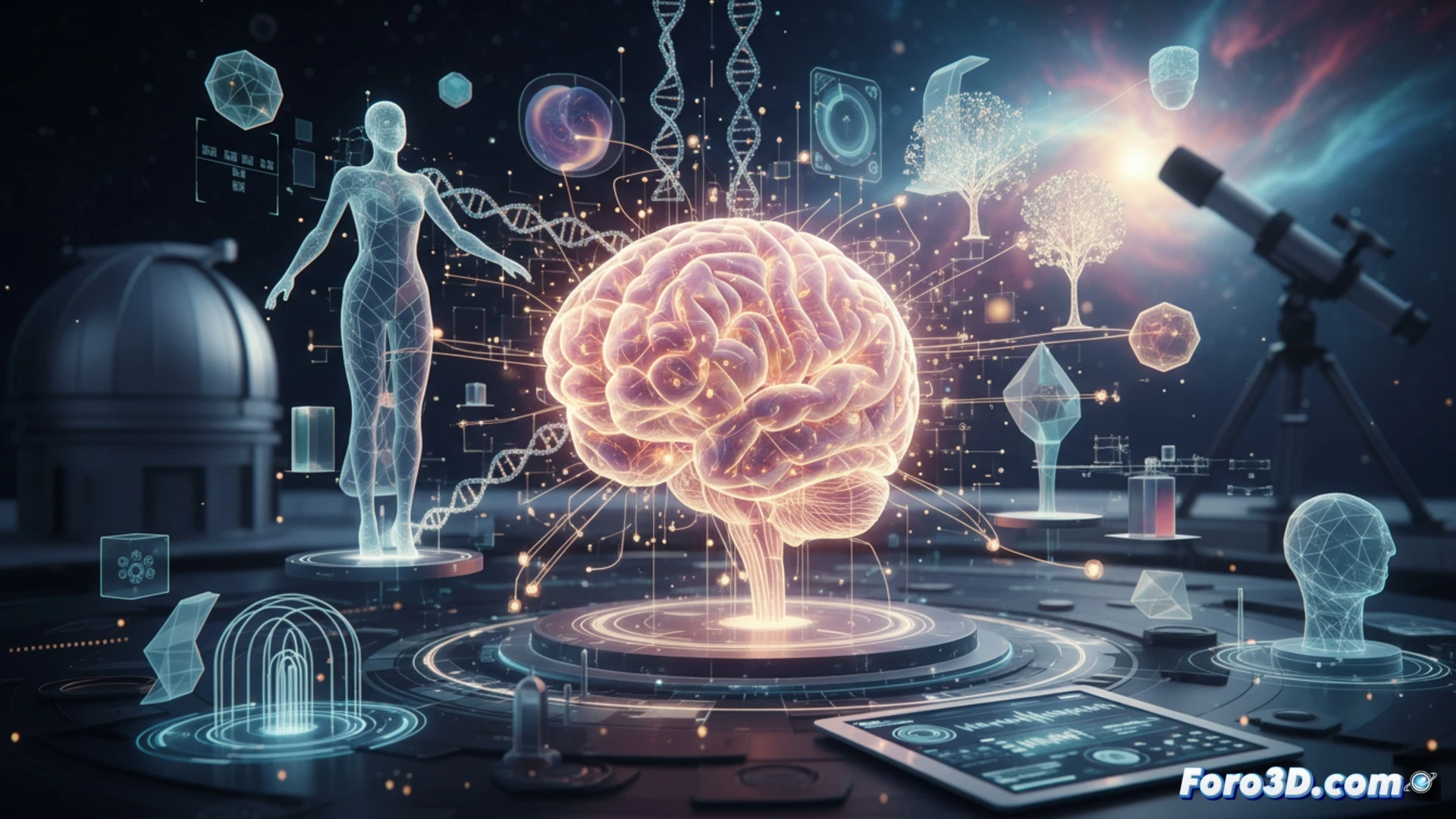
The Creative Pipeline as a Nervous System Regulator ⚙️
From a technical perspective, the digital creation process imposes a specific cognitive structure. The deep concentration required for UV mapping or rigging suppresses the activity of the default mode network, associated with stress. The iterative resolution of technical problems (geometry optimization, lighting adjustment) activates reward circuits. Even methodical repetition, like sculpting or texturing, induces meditative states that modulate the inflammatory response at the hormonal level.
Your Next Render Won't Just Crash the GPU, Also Your Stress 😌
So the next time you spend six hours fighting with a normal map or rebuilding a model's topology, remember that you're in an advanced neurotherapy session. The adrenaline spike when seeing fireflies in the final render is balanced by the dopamine release when finding the solution in the forum. Maybe we should include C-reactive protein reduction in Blender or Maya's system requirements. It's a feature, not a bug of the creative experience.