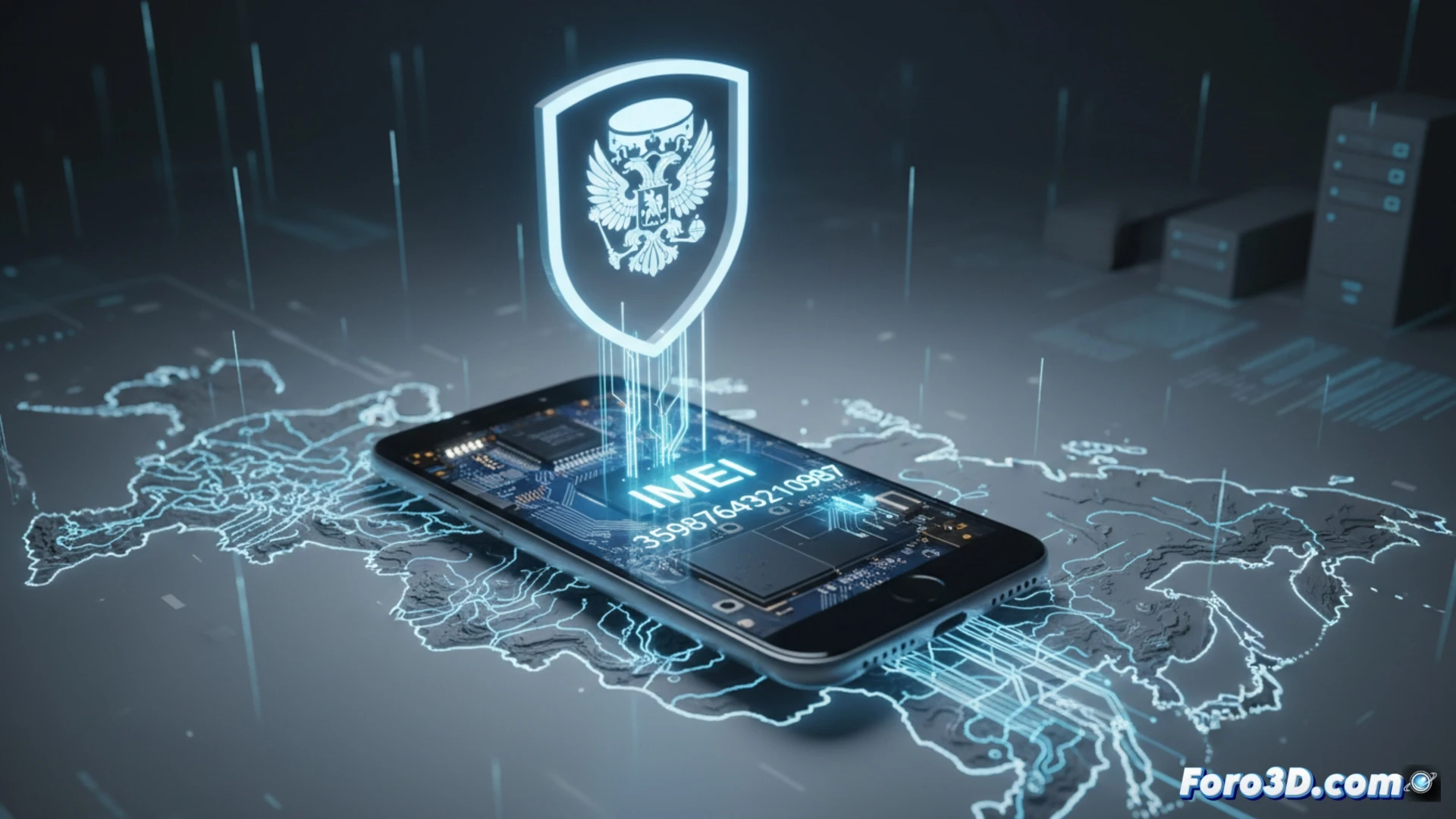
Russia Advances with Mandatory IMEI Registration for Mobile Phones
The Russian parliament has approved in a first phase an amendment that modifies communications regulations. This proposal seeks to create a state database where the IMEI of each phone is registered, a code that acts as the device's unique digital fingerprint. Without this registration, the devices will not be able to connect to the country's networks. The authorities aim to make digital criminal activities more difficult with this. 📵
Automated Blocking Mechanism
The system will work by requiring telephone companies to associate each SIM card they sell with the specific IMEI of the terminal where it is first activated. A central platform will automatically cross-check this information. If it detects a discrepancy—for example, the SIM being used in a phone with a different IMEI than the registered one—it will proceed to deactivate network services for that device instantly. This would prevent making calls and accessing the internet, rendering the device practically useless in Russian territory.
Immediate Consequences of the Block:- The phone loses all connectivity for calls and mobile data.
- The block is automatic upon detecting the inconsistency in the database.
- The device becomes inoperable on any Russian operator's network.
Now, in addition to worrying about coverage, you'll have to pray that the state's database doesn't mix up your IMEI digits with those of a reported phone, turning your smartphone into an expensive paperweight in seconds.
Purposes and Possible Complications
The government argues that this measure will make it harder for criminals to use stolen or unidentified terminals to commit scams. However, the rule also entails that users must verify that their device is in the registry, a process that could be the buyer's or seller's responsibility. Key aspects remain to be defined, such as how phones purchased before the law takes effect or those entering the country through unofficial channels will be handled.
Critical Points to Resolve:- Procedure for registering devices already in use before the law.
- Management of phones entering Russia informally.
- Determining who assumes the task of registering the IMEI: user or retailer.
A Future of Strict Digital Control
This initiative represents another step toward centralized control over communication devices in Russia. Although its stated goal is to combat fraud, it establishes a mechanism that allows authorities to track and deactivate phones remotely. Its effectiveness in reducing crime will be weighed against its impact on privacy and the possibility of technical errors that leave legitimate users without service. The balance between security and digital freedom is put to the test. ⚖️