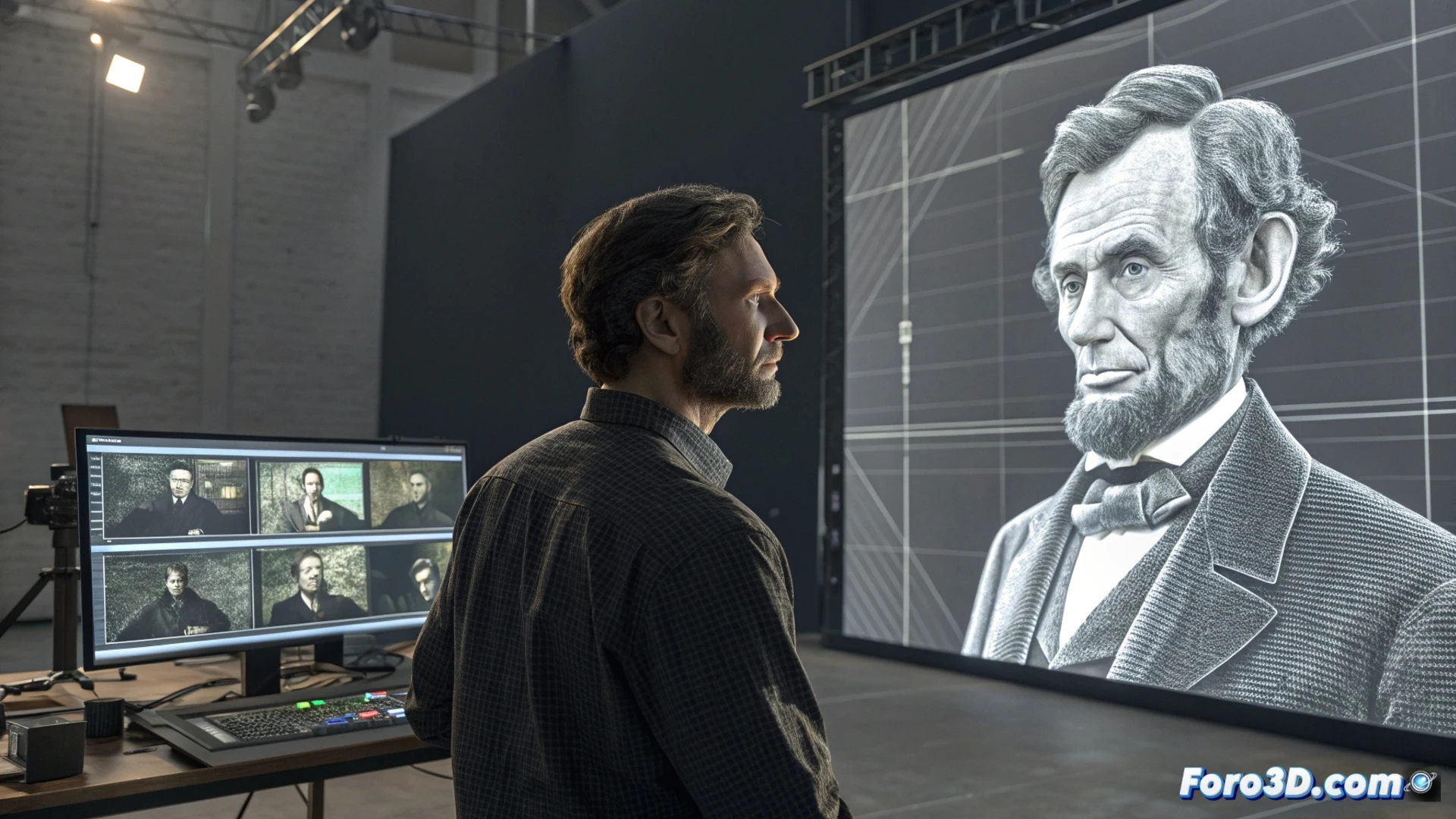
Rotoscoping: Integrating Real Movement into Historical Characters
This technique allows recording an actor's performance and applying it directly to a computer-generated model. It is an effective method for historical figures to move naturally and credibly. However, it is not a universal solution, and its suitability varies depending on the visual style desired and the resources available. 🎬
What advantages does rotoscoping provide?
Its main strength lies in achieving an organic realism in the performance. Starting from a human base preserves the small details and the spontaneous fluidity of the gesture. This is crucial when recreating documented expressions or ways of moving from historical personalities, thus enriching the visual narrative of a project.
Key points of this technique:- Fidelity to movement: Transfers the nuances and intention of the original performance to the digital character.
- Documentary value: Ideal for replicating specific gestures of historical figures for which visual records exist.
- Integration of references: Requires meticulous artistic work to blend the reference footage with the final design.
The challenge is sometimes not in animating an emperor, but in finding the actor who knows how to wear the toga with the precise dignity.
Technical options and factors to consider
There are other paths for animating, such as motion capture with sensors or manual keyframe animation. Rotoscoping can be a time-consuming process. The final decision is based on evaluating several elements of the project.
Considerations for choosing the method:- Budget and time: The economic cost and the available deadline for delivering the work must be analyzed.
- Level of detail: Define the degree of precision and realism needed in the final result.
- Artistic style: Determine whether the sought aesthetic benefits more from the realism of rotoscoping or another approach.
Conclusion: a tool in the toolbox
Rotoscoping is a powerful tool for injecting realism into historical characters, but it is not the only one. Its use must be decided after weighing the specific needs for realism, available resources, and the overall visual style. Understanding its strengths and alternatives allows artists to choose the most effective path to bring the past to life. 🖌️