Researchers Review Polysaccharide Microneedles for Cancer Immunotherapy
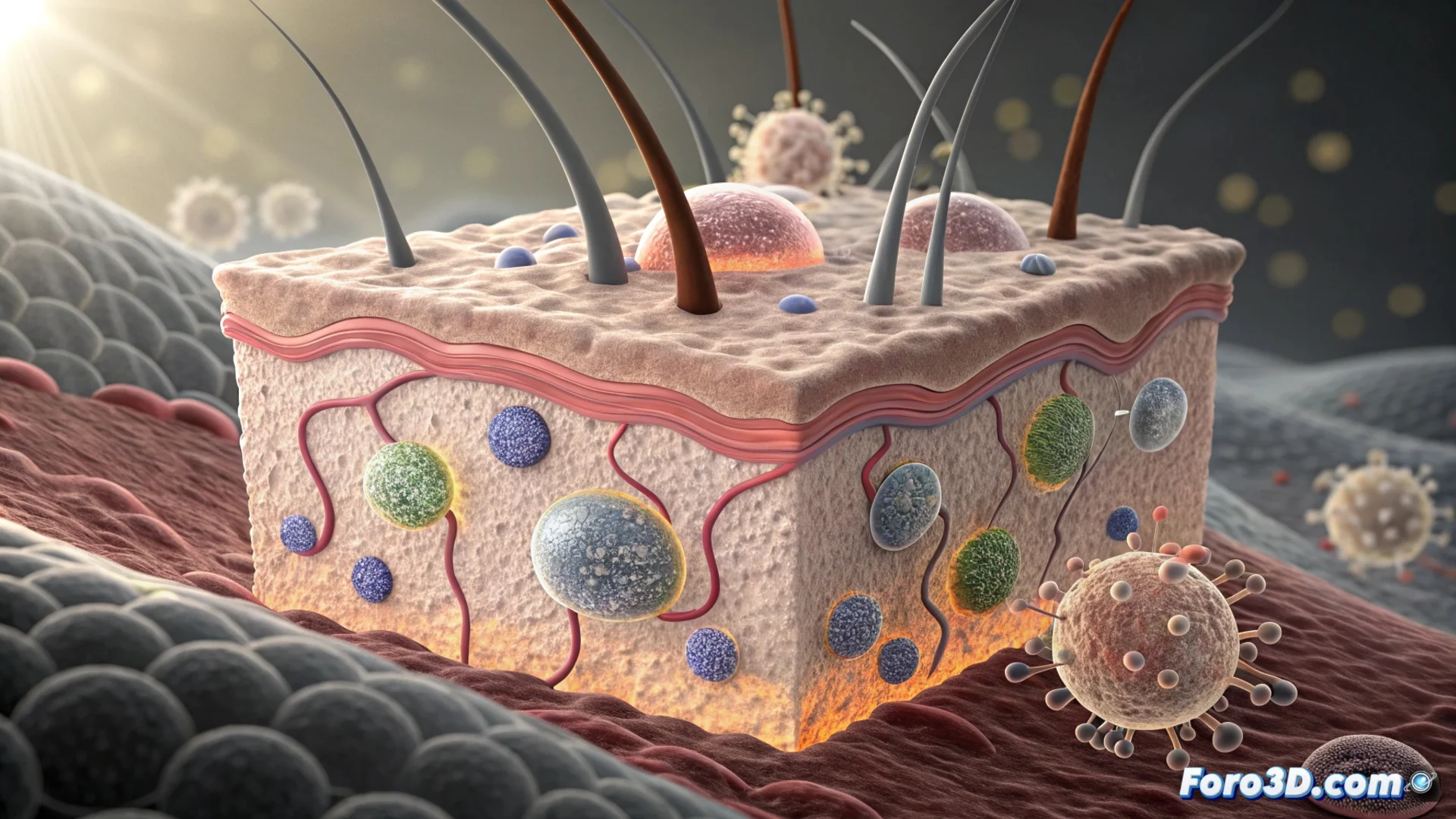
Scientists in China have published a comprehensive analysis on the potential of microneedles made from natural polysaccharides. These small devices are emerging as a new and promising platform for delivering cancer immunotherapies in a minimally invasive manner through the skin. 🩹
A Transdermal Platform to Alert the Immune System
The microneedle patches described are biocompatible and naturally degrade in the body. Their main function is not to deliver traditional chemotherapy, but to activate and train the patient's immune system to identify and attack tumor cells more precisely. This method represents a drug delivery strategy that avoids conventional injections.
Key Features of These Devices:- Biocompatibility and Biodegradability: They are made from natural polysaccharides, reducing the risk of rejection and leaving no residues.
- Targeted Immunological Activation: Their goal is to modulate the immune system's response to cancer.
- Minimally Invasive Application: They penetrate the upper layers of the skin without causing significant pain or deep damage.
The fight against cancer explores new avenues, and these patches, although with a slight prick, offer an innovative alternative to more aggressive systemic treatments.
Advanced Techniques to Manufacture Stronger Microneedles
One of the challenges when using pure polysaccharides is their limited mechanical strength. To overcome this, the review details the use of advanced manufacturing technologies. Reliance is not placed on a single method, but different strategies are combined to achieve functional and robust devices.
Manufacturing Strategies Described:- High-Resolution 3D Printing of Molds: Precise molds are created where biopolymers are then poured to shape the needles.
- 3D-Printed Support Structures: A resistant skeleton is manufactured that is then coated with the active polysaccharide, improving the overall firmness.
- Integration of Smart Hydrogels: Reservoirs with these materials are incorporated to release therapeutic agents in a controlled and programmed manner.
The Future: Personalized Cancer Treatments
The ultimate goal of this line of research is to develop fully personalized transdermal devices. The ability to adjust the dose, type of immunological drug, and release time profile is a decisive advantage. This path could lead to safer oncology therapies with higher success rates. The work continues now to optimize these systems and validate their real efficacy, first in preclinical models and then in patient trials. 🔬