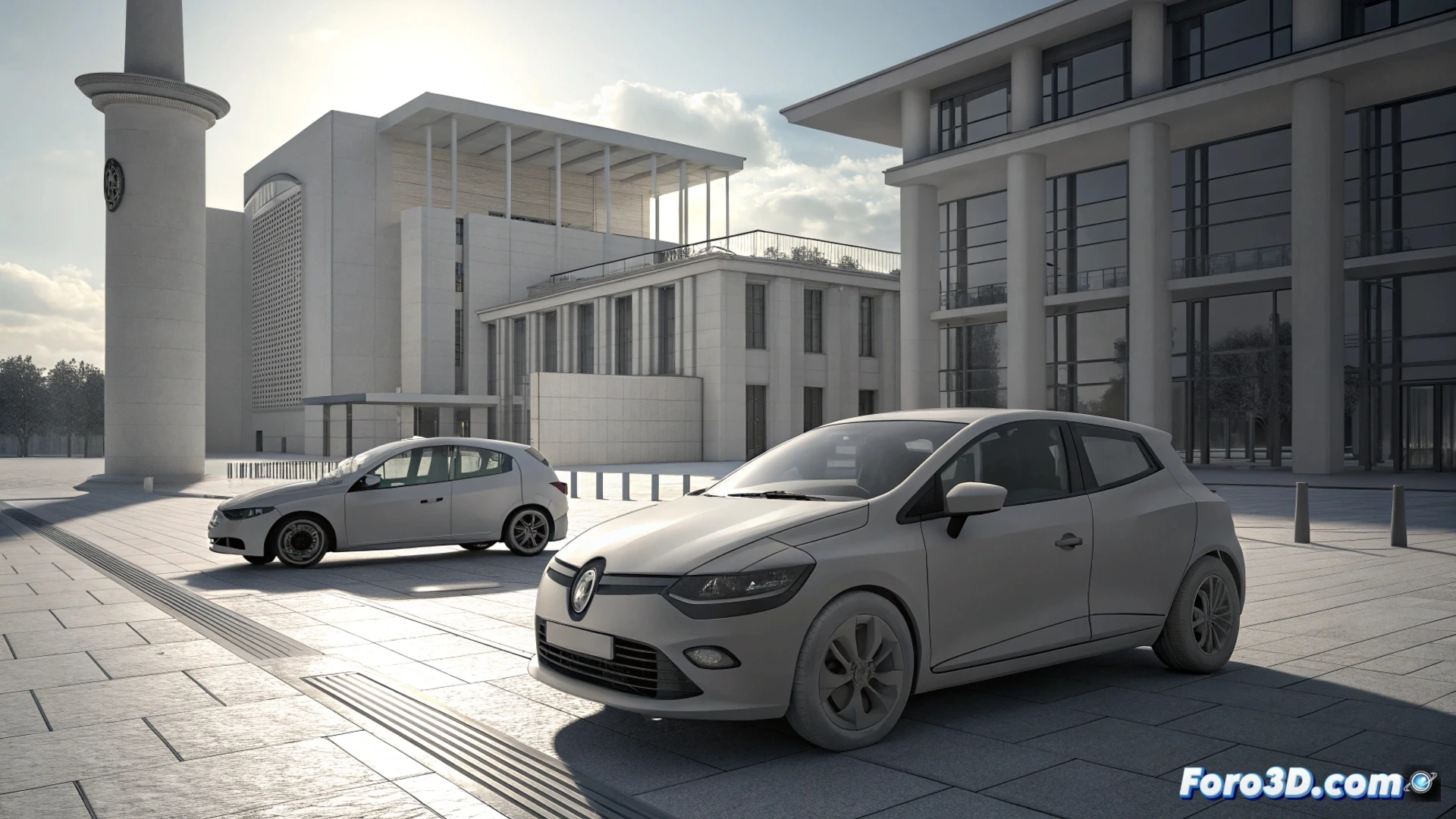
Renault Faces Trial in Germany Over Clio and Mégane Design
Imagine buying a vehicle believing its style is exclusive, only to discover that someone else claims their idea was plagiarized. This is Renault's current situation in German territory, where a lawsuit questions the design patents of its popular Clio and Mégane. Even automobiles can experience a "déjà vu" in court 🏛️.
What is a design patent and what is its relevance?
It should not be confused with a technical patent that covers an engine or mechanism. A design patent specifically protects the external appearance, silhouettes, and aesthetics of a product. It works like a copyright applied to the shape of a car. If another manufacturer markets a model with excessive similarity, it can trigger a legal conflict. In this scenario, it is argued that some aesthetic components of the Clio and Mégane violate already registered designs, which could lead to banning their sale in a crucial market like the German one 🚫.
Key details about this type of protection:- Protects the visual appearance and not the internal functioning.
- Its infringement can lead to legal actions seeking to withdraw products from the market.
- It is a powerful legal instrument to defend a brand's unique identity.
In the world of industrial design, the line separating inspiration from replication is extremely thin.
A little-known aspect of these litigations
These judicial processes are more frequent than one might think and are sometimes used as an aggressive commercial strategy. A competitor may file a lawsuit with the aim of slowing down or harming a rival's sales, especially when a new launch achieves great success. Although the lawsuit can last a long time, an unfavorable ruling represents a severe blow both to sales figures and to the reputation of the involved company ⚖️.
Common consequences of these conflicts:- They are used to create obstacles for competitors in key markets.
- The legal process is long and costly for all parties.
- An adverse resolution damages the public image and consumer trust.
The thin line between being inspired and copying
In short, this case underscores that in the automotive industry, being inspired by other designs has a very precise legal limit. What stands out for its beauty on the road may ultimately have to defend itself in court. These events remind brands of the importance of innovating cautiously and respecting existing intellectual property rights 🚗⚖️.