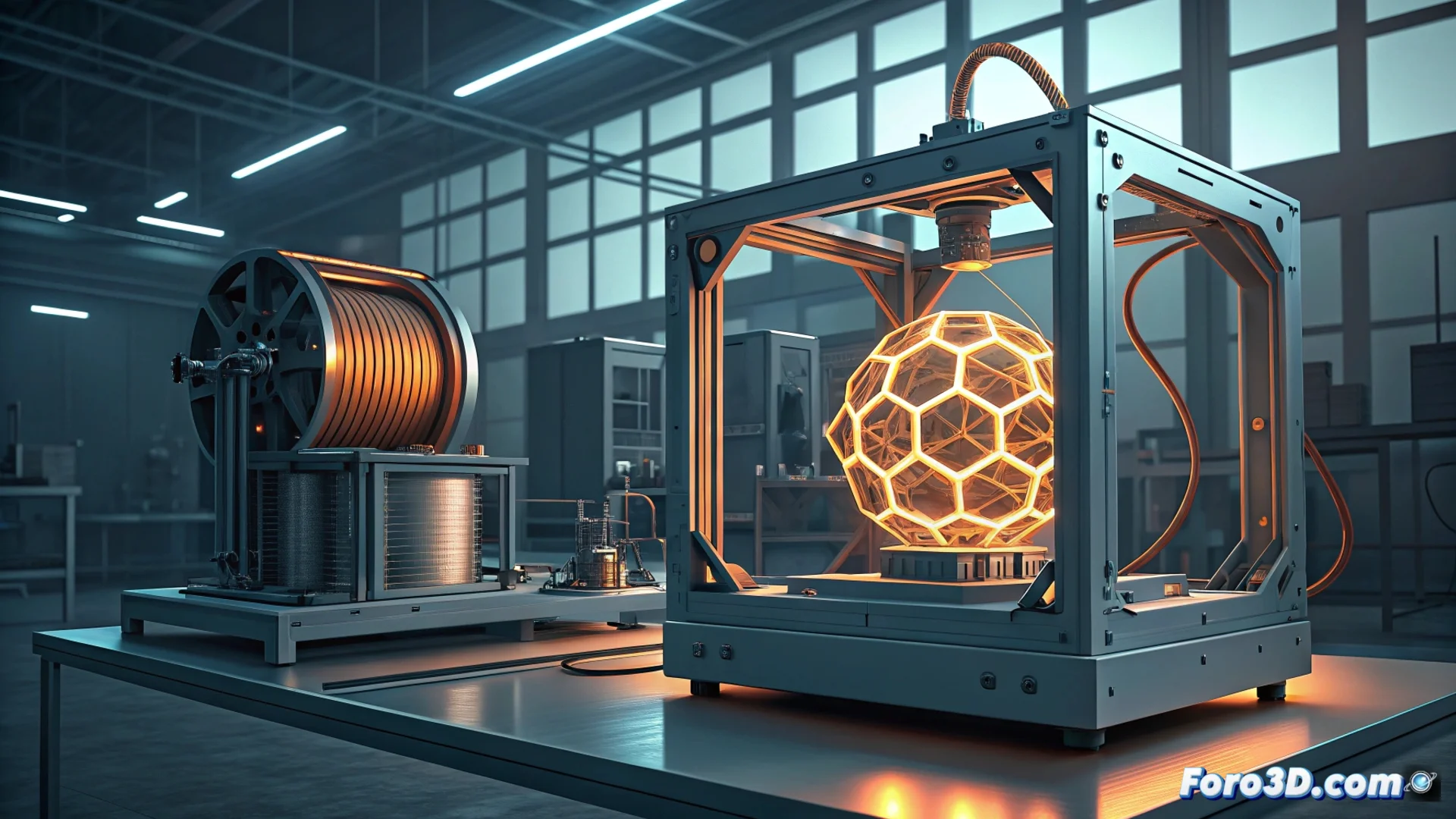
Printing the Electric Motor of the Future with Metal and Additives
Imagine building the core of an electric vehicle layer by layer, like a scale model, but using metal alloys. 👷♂️ This is the proposal from Additive Drives, a German company attracting capital from funds focused on sustainable industrial transformation.
The Technology Behind Metal Manufacturing
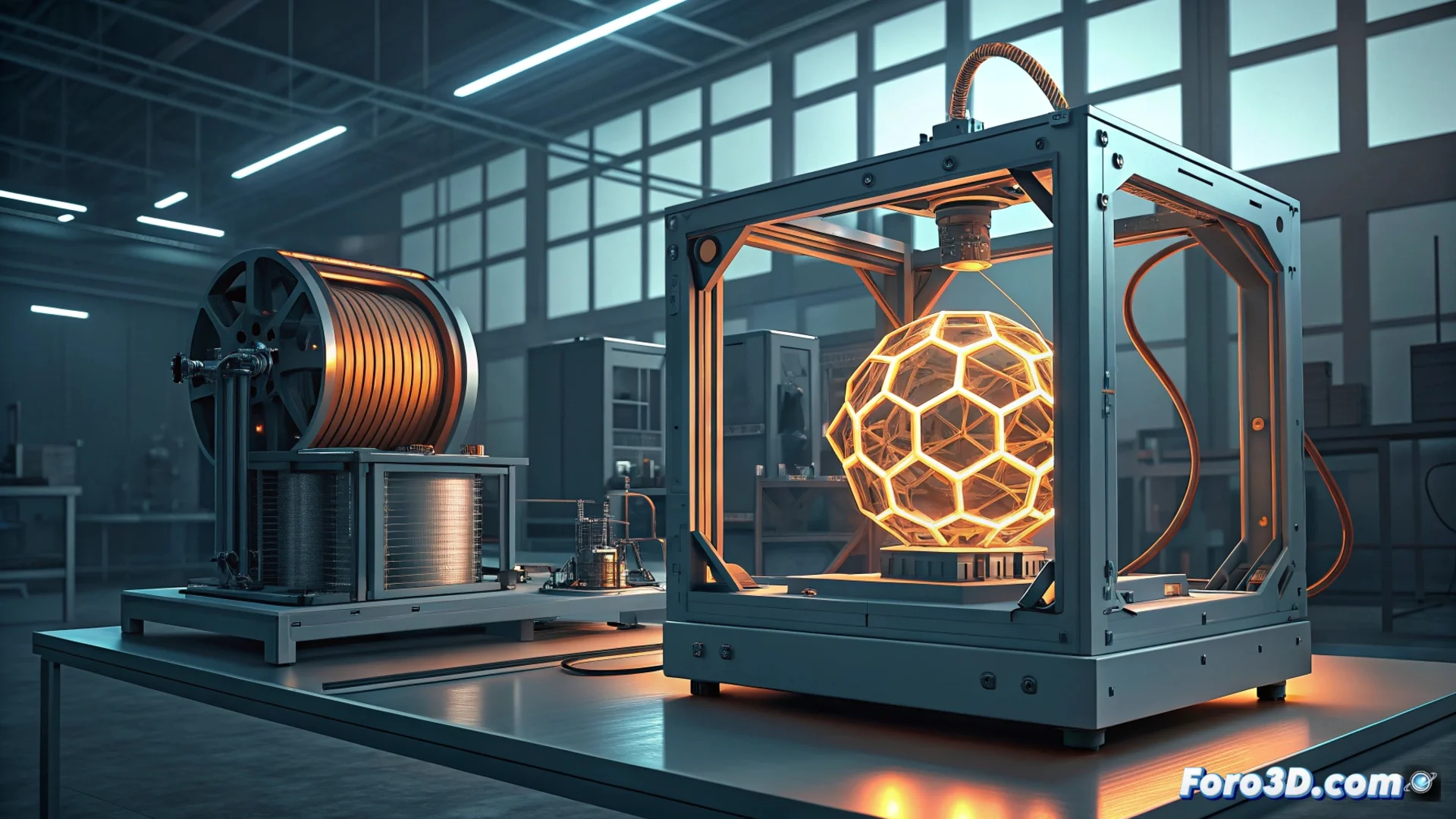
Far from being a simple process, additive manufacturing with metals is used to create components with geometries that casting or machining methods cannot achieve. 🏗️ The inspiration comes from natural structures, like beehives, which offer maximum strength with minimal weight. This achieves optimization of every internal part of the motor, making it more powerful, efficient, and lightweight.
Key advantages of this approach:- Allows complex internal designs that improve energy flow and dissipate heat more efficiently.
- Drastically reduces wasted material, unlike carving from a solid block.
- Facilitates customizing and iterating designs faster than with traditional industrial tools.
It is a paradigm shift: moving from a solid block to an intelligent and lightweight steel structure.
An Investment that Confirms the Potential
The recent financial operation, valued at tens of millions of euros, represents a solid bet. 💰 It is significant that the first investor, who supported the project from its beginnings, has increased their stake. This repeated backing signals strong confidence that the technology is ready to scale its production and reach the industrial market.
Relevant details of the financing:- The investment amount is in the mid "two-digit" millions of euros range.
- The continued support from the initial investor acts as a double vote of confidence in the team and the technology.
- The stated goal is to industrialize the manufacturing process to supply motors to manufacturers.
Beyond the Prototype: The Factory of Tomorrow
This case demonstrates how metal 3D printing goes beyond the prototyping phase to become a final manufacturing method. 🚀 It creates smarter components, with less waste and superior mechanical properties. The next evolution in electric mobility could very well depend on an industrial 3D printer. 🔌