Poland Evaluates Opening Its Market to Chinese Connected Vehicles
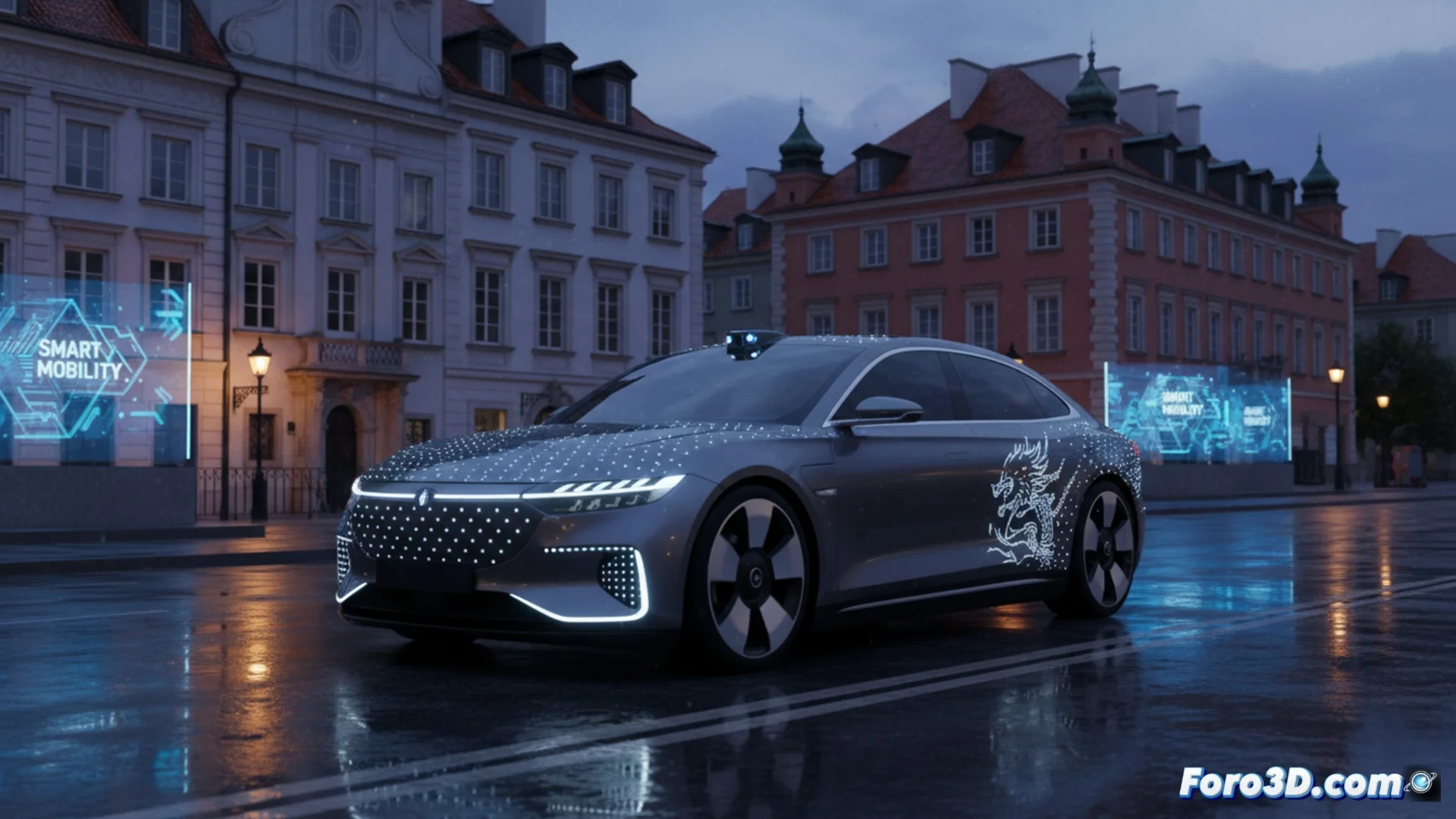
The Polish government is considering authorizing Chinese companies that manufacture autonomous and connected cars to establish themselves in its territory. This initiative is part of a broader plan to digitalize its transportation network and promote smart mobility. The main goal is to attract foreign capital and encourage companies to innovate in the technology sector. However, this potential opening raises intense debate due to the potential risks to cybersecurity and information confidentiality. 🚗💻
Finding the Middle Ground Between Progress and Protection
The country's authorities are actively working to define a rigorous regulatory framework. The purpose is to ensure that these automobiles comply with all European standards for safety and, above all, protect user data. Connected vehicles process and send sensitive information continuously, which demands very robust defense mechanisms. Poland is trying to balance its desire to modernize infrastructure with the urgent need to safeguard the privacy of its citizens.
Key Points of the Developing Regulatory Framework:- Establish strict standards that align the technology with EU security protocols.
- Ensure that foreign manufacturers scrupulously respect local data legislation.
- Create robust systems to safeguard information collected and transmitted in real time.
The final decision will seek a balance that does not hinder technological progress, but prioritizes the protection of people.
Evaluating Risks and Defining Responsibilities
The potential integration of Chinese technology into the national mobility system requires analyzing specific threats. According to sources, the executive is examining how to prevent vulnerabilities and verify that foreign producers comply with the rules. This process involves meticulously reviewing how data is collected, stored, and managed. The scrutiny is thorough because the implications for digital sovereignty are significant.
Main Concerns on the Table:- Cybersecurity risks associated with the vehicles' architecture and their remote servers.
- Control and access to personal information generated during each journey.
- Technological dependence on a foreign actor in a strategic sector like transportation.
A Future Between Convenience and Caution
While one part of society imagines a tomorrow with automated trips, another examines with extreme attention the details about who can access data from their daily commute. Poland's path reflects a global dilemma: how to adopt transformative innovations without compromising fundamental values like privacy and national security. The outcome of this evaluation will set a crucial precedent for smart mobility in Europe. 🤖🛡️