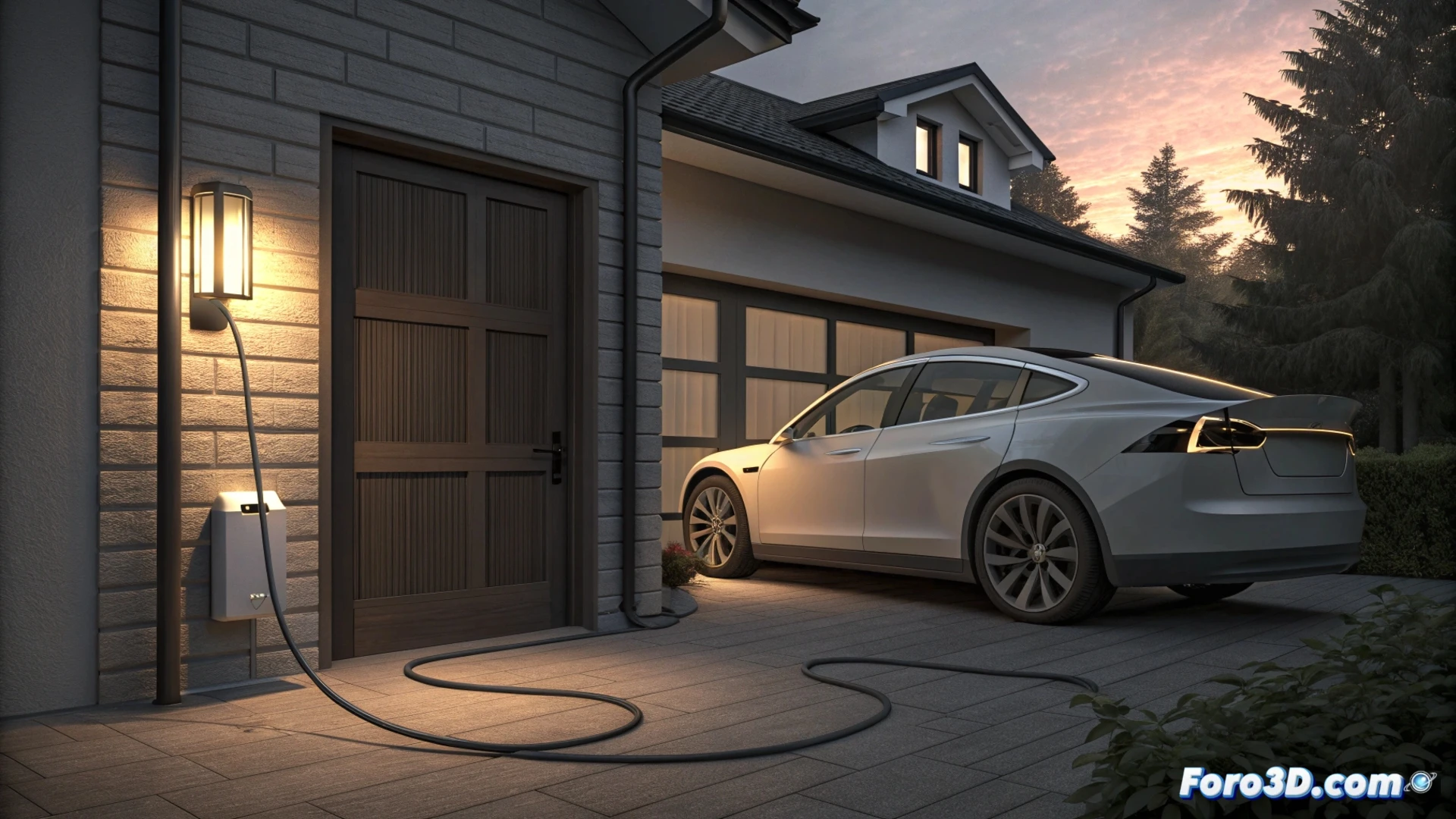
Optimizing the charging of your electric car at home is not just plugging in
Thinking about recharging your electric vehicle is similar to filling a water tank. You can do it with a small faucet, but if you activate the main inlet, the process speeds up dramatically. 🚗⚡ The electricity in your home operates under a similar principle: a conventional installation may not be the most effective option for powering your vehicle optimally.
Managing available power is crucial
Visualize your home's electrical circuit as a plumbing system. If you open several faucets at the same time, the flow decreases. The same happens with energy: if you connect the oven, the air conditioner, and also charge the car at full speed, the breaker or ICP is likely to trip. The solution is to manage that capacity, sometimes with equipment that prioritizes vehicle recharging when it detects that no other large appliances are running. 🔌
Key aspects you should consider:- The bottleneck is often not the charging cable, but the wall outlet. A standard Schuko outlet can overheat if demanded high current for a prolonged time.
- For faster and risk-free charging, a specialized outlet is recommended, such as industrial types or a dedicated wallbox. It's like reinforcing the foundations to support greater weight.
- The ultimate goal is to achieve the ideal charging speed without overloading the rest of the home installation.
Optimizing home recharging is a small logic puzzle: balancing speed, safety, and consumption.
Consequences of poor management
Not planning this process can have direct and annoying effects. In addition to the obvious increase in the electricity bill, constant overload can damage installation components or frequently interrupt the supply, which is as frustrating as a morning clog in the family bathroom. 🚫
Benefits of doing it right:- Energy costs are reduced by charging at the most efficient times.
- Safety of the installation increases by avoiding hot spots and overloads.
- The lifespan of both the home infrastructure and the car's battery is extended.
The final adjustment makes the difference
In short, charging your electric car intelligently at home involves more than just plugging in a cable. It requires understanding the limits of your installation, evaluating options like a reinforced outlet, and organizing consumption. A seemingly small change in this habit can translate into significant savings on your bill and, no less important, gain peace of mind. 💡💰