Tungsten carbide-cobalt (WC-Co) is a key material for cutting tools and wear components, but its manufacturing is complex. A team from Hiroshima University presents a method that overcomes the limitations of traditional molding. The technique, called hot-wire laser irradiation, allows depositing the material only where needed, bringing additive manufacturing closer to ultra-high-performance materials.
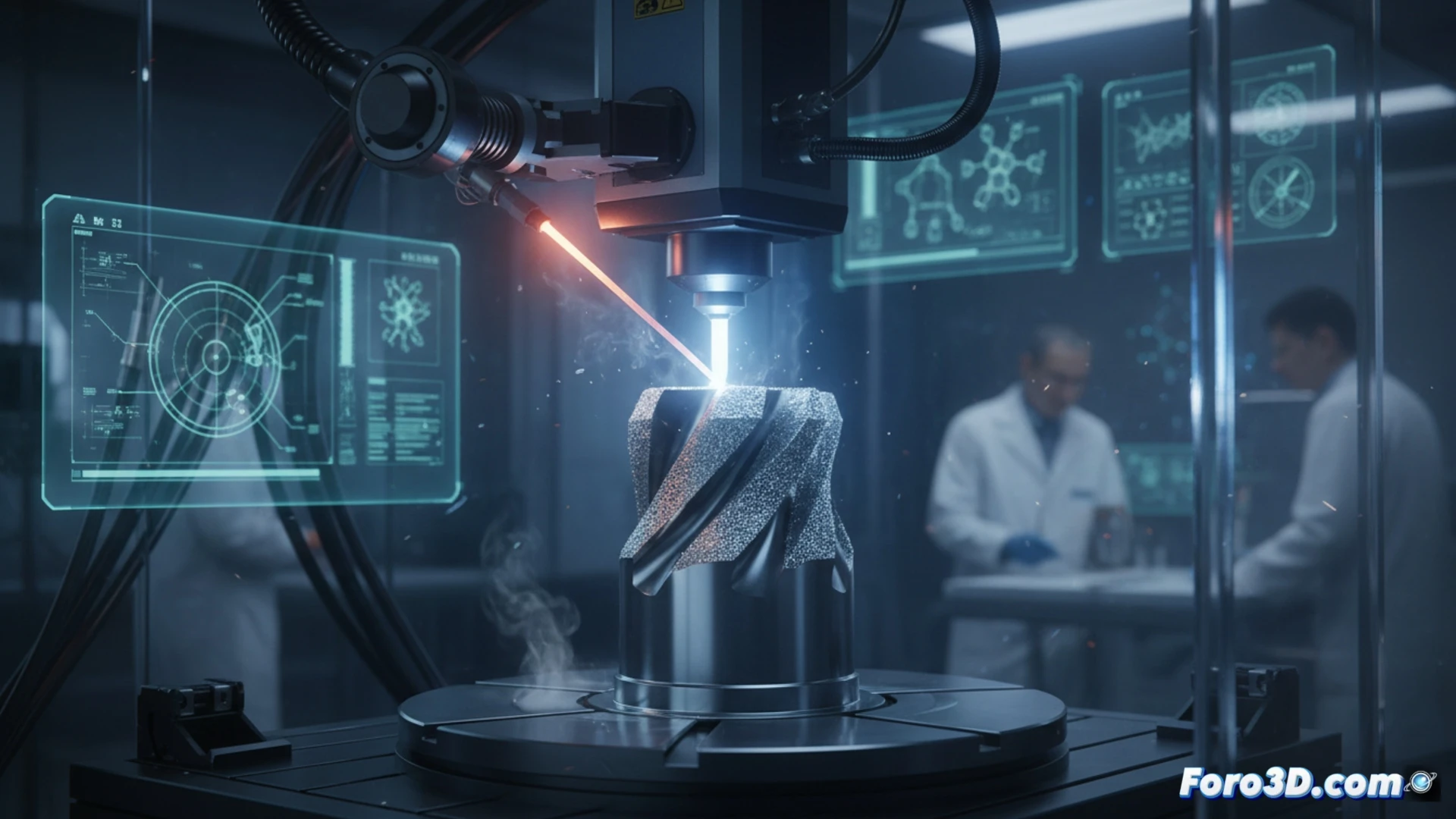
Precise Thermal Control as the Key to the Process ⚙️
The development is based on very strict thermal control during layer-by-layer deposition. A WC-Co wire is electrically heated to a plastic state and locally melted with a low-energy laser. This approach avoids overheating the entire assembly, a common problem that degrades the material. By maintaining the carbide microstructure, the hardness and strength of the final component are preserved, optimizing the use of this expensive raw material.
Goodbye to Metal Blocks and Milling Machine Tears 😎
This could change the game for those working with this material. Imagine being able to draw a complex carbide tool instead of removing 80% of an expensive solid block. The milling machine would stop crying at the sight of so much WC-Co turned into useless chips. It's an approach that speaks the language of efficiency: putting the material exactly where it should be, without machining ceremonies. A dream for the purchasing department.