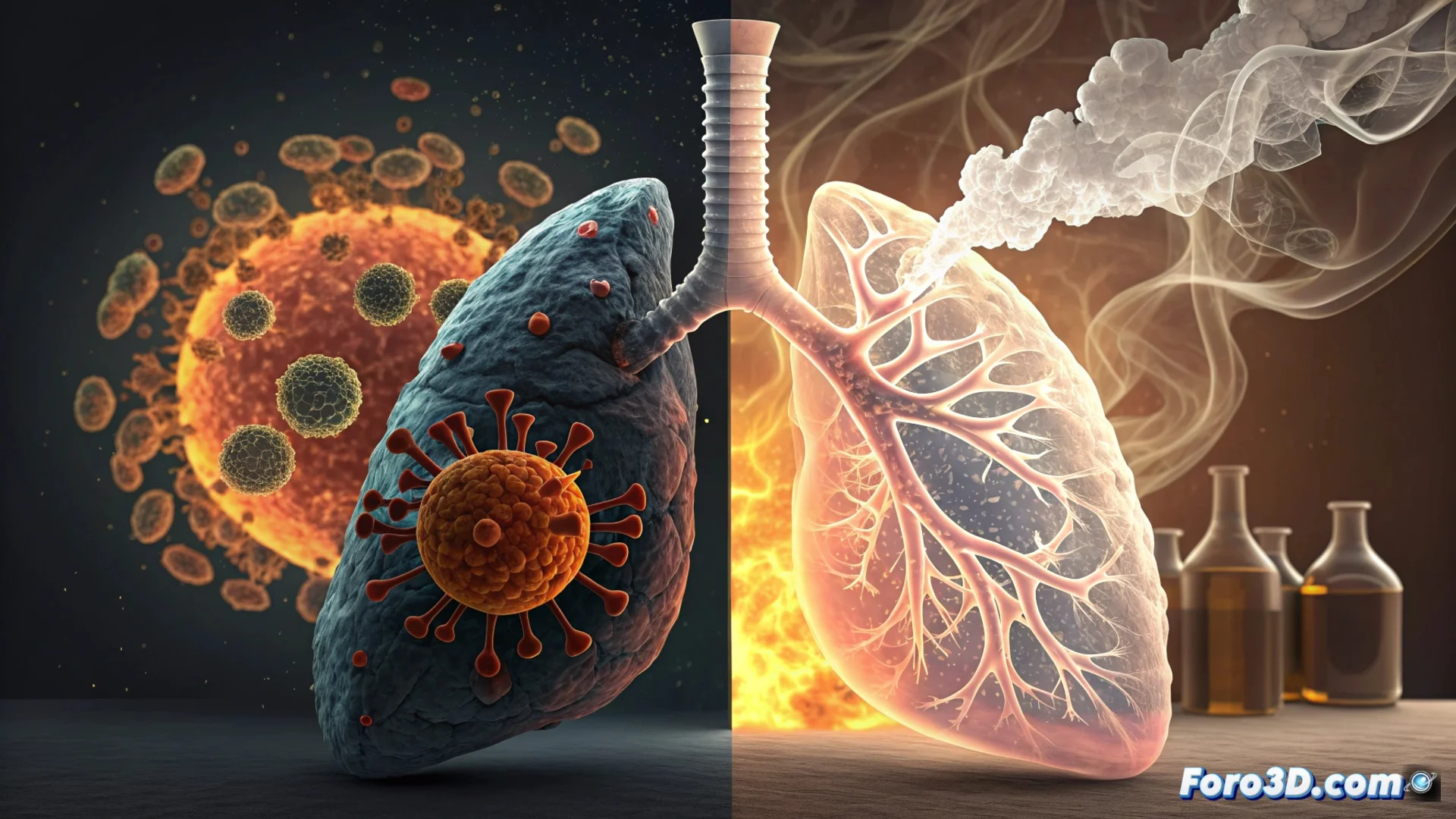
Nearly four out of ten cancer cases can be prevented
A recent analysis by the World Health Organization and the International Agency for Research on Cancer estimates that approximately 40% of cancer diagnoses worldwide could be avoided. The report, published ahead of World Cancer Day, examines data from 36 variants of this disease in 185 countries. Of the 18.7 million cases detected in 2022, about 7.1 million are directly related to modifiable risk factors. This demonstrates the great potential of acting on these known causes to reduce cancer incidence. 🩺
The risk factors we can change
The document identifies as key modifiable factors the habit of smoking and the consumption of alcoholic beverages. It also mentions specific infections, excess weight, and insufficient physical activity. Likewise, it points to environmental pollution and UV radiation as agents that contribute to developing various types of cancer. Reducing or eliminating these factors can significantly decrease the global burden of this disease.
Main risks identified:- Tobacco and alcohol: They are the two main contributors globally.
- Infections, obesity, and sedentarism: They represent a group of biological and lifestyle risks.
- Air pollution and solar radiation: Environmental factors that can be addressed.
"Reducing exposure to these known risks is one of the most effective strategies to combat cancer on a population scale."
The influence varies by cancer type
The percentage of cases attributed to these risks is not the same for all. It varies substantially among the different types of the disease. For example, lung cancer or cervical cancer show a very direct connection with avoidable elements, such as tobacco smoke or viruses like HPV. This nuance is crucial for focusing public health resources on the types of cancer where prevention can have the greatest impact. 📊
Examples of risk variation:- Lung cancer: Mostly linked to smoking.
- Cervical cancer: Largely associated with preventable HPV infections.
- Skin cancer: Related to excessive exposure to ultraviolet rays.
The accessible formula for prevention
The most effective recipe for avoiding cancer is, in a way, contrary to a reckless lifestyle: not smoking, limiting alcohol, applying sunscreen, and maintaining some regular physical activity. It may seem as exciting as watching paint dry, but it is undoubtedly the most sensible path for long-term health care. The report emphasizes that individual decisions, supported by public policies, are the cornerstone for reversing these statistics. 🛡️