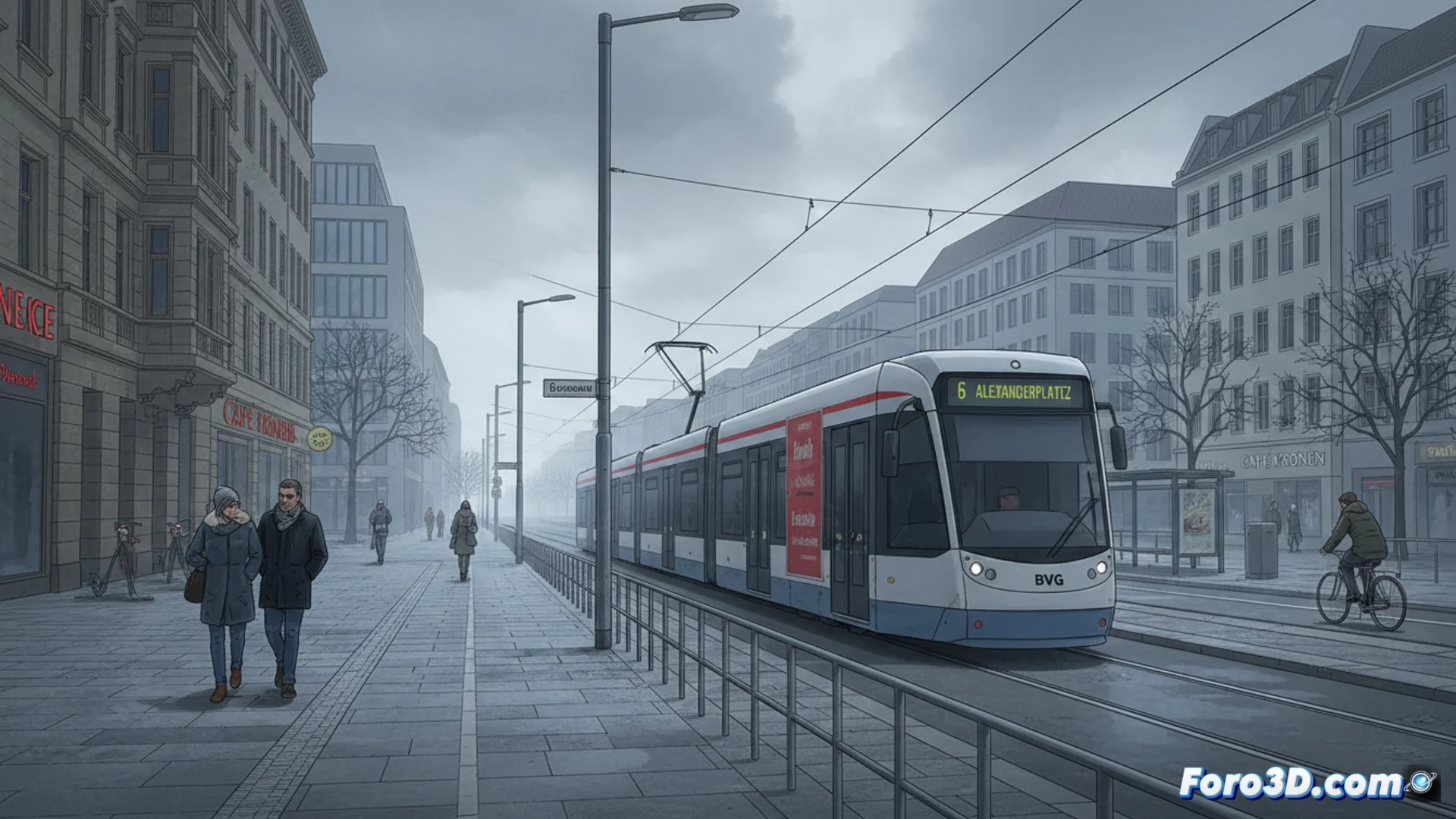
National transport strike paralyzes German cities
This Monday, February 2, 2026, a 24-hour strike organized by the Ver.di union has left much of Germany's public transport without service. Around 100,000 employees are supporting this protest, which stops or drastically limits the operation of buses and trams in multiple urban centers. The action is part of the negotiations to improve working conditions in the sector. 🚌⚖️
The impact of the disruptions
The cities most affected are Berlin, Hamburg, Bremen, along with areas in North Rhine-Westphalia, Mecklenburg-Vorpommern, and Brandenburg. Urban transport services are suspended or severely disrupted. However, operations in Lower Saxony are almost normal. Although regional trains and Deutsche Bahn's S-Bahn are not directly involved in the strike, the paralysis of urban transport greatly complicates daily commutes.
Areas most affected:- Berlin, Hamburg, and Bremen: urban services completely stopped.
- North Rhine-Westphalia: severe interruptions in the bus network.
- Mecklenburg-Vorpommern and Brandenburg: very limited operations.
Mobility in major German cities today depends on alternatives such as walking, cycling, or carpooling.
The background of the protest
Ver.di has called this pressure measure while negotiating with public employers. The main goal is to achieve a new collective agreement that improves salaries and conditions for local transport staff. The key points are to reduce the working week without loss of income, and increase bonuses for night shifts, holidays, or weekends.
Main union demands:- Reduce the weekly working hours while maintaining salary.
- Increase supplements for working nights, holidays, or weekends.
- Review and improve work schedules.
Consequences for citizens
Thousands of people in Germany have had to seek alternative solutions to get around. Many are rediscovering walking or using bicycles, while others opt for carpooling with strangers, on journeys expected to be as long as the negotiations themselves. This situation highlights the critical dependence of metropolises on their public transport networks and the immediate impact of their disruption. 🚶♂️🚲