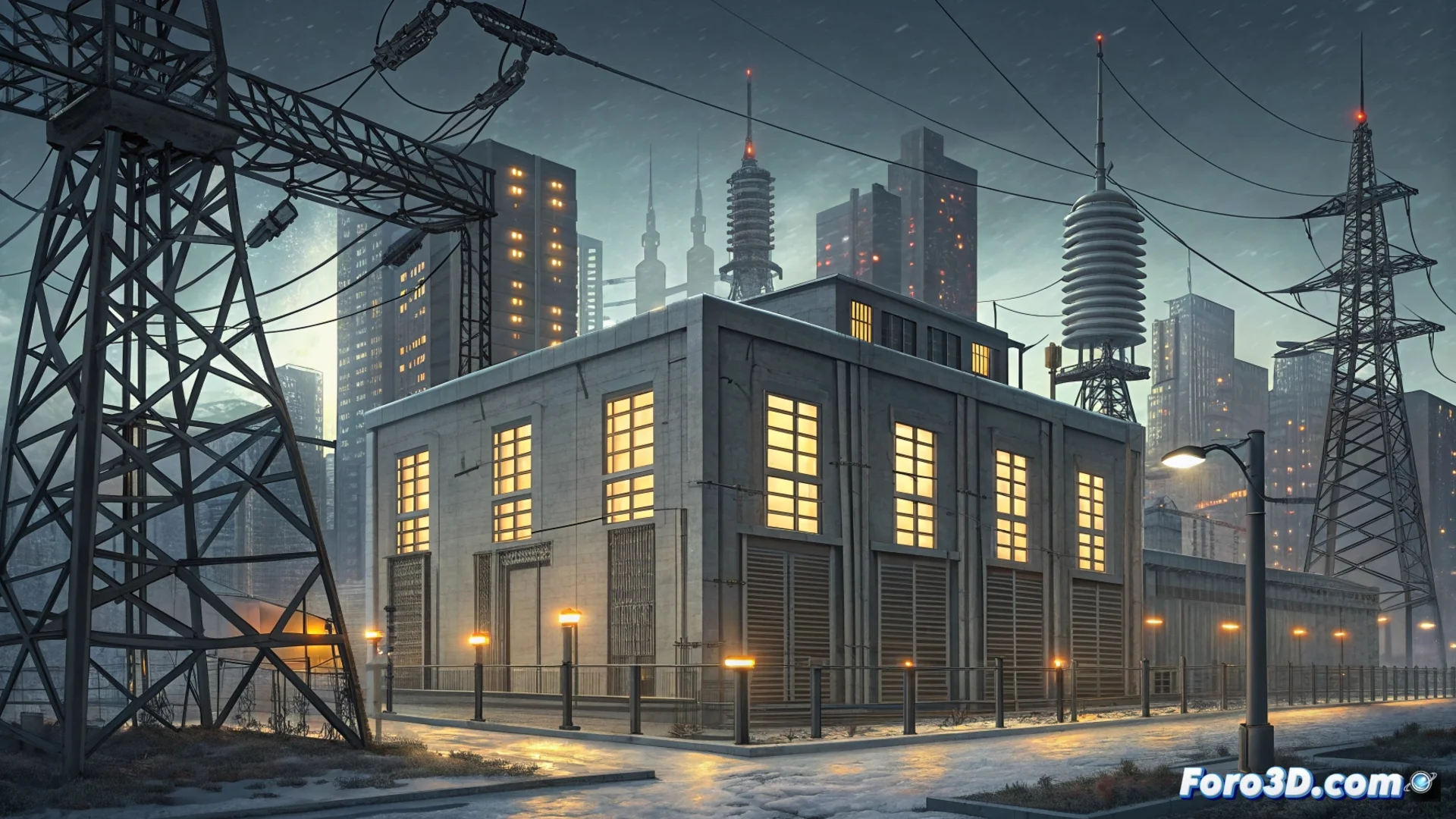
Moscow Exhausts Its Electrical Capacity for New Data Centers
The companies operating the electricity supply network in the Russian capital have begun denying requests to connect new data processing and storage facilities. According to the newspaper Vedomosti, the power that can be allocated to these complexes in Moscow is almost non-existent, as it is all consumed or assigned years in advance. 🔌
Energy Supply Does Not Meet Growing Demand
This scenario highlights the dizzying growth that the data industry in Russia is experiencing. The main players, both state-owned and technological, have monopolized the necessary infrastructure for their long-term plans. Therefore, the electricity companies cannot guarantee supply to any new data center project that wants to establish itself in the Moscow area.
Immediate Consequences of Saturation:- Connection requests for new data centers are systematically rejected.
- Electrical power is fully allocated, even for future projects with several years of reserves.
- Only large operators who planned ahead have their supply guaranteed.
It seems that in Moscow, the light at the end of the tunnel for a new data center is, literally, a problem of lack of electricity.
The Market Is Forced to Look to Other Regions
The impossibility of connecting in the capital is driving companies to explore geographical alternatives in other areas of the country. This movement could reconfigure how Russia's digital infrastructure develops, decentralizing investments. 🗺️
Characteristics of Candidate Regions:- Availability of energy surpluses in their distribution networks.
- Climatic conditions that help cool server equipment naturally, reducing costs.
- Attractiveness to receive the future investments that Moscow can no longer absorb.
A Decentralized Future for Digital Infrastructure
The saturation of the Moscow grid acts as a catalyst to redistribute sector growth. Regions with untapped energy resources and cold climates are emerging as the new hubs for building the country's data processing capacity. This shift could, in the long term, make Russia's digital infrastructure more resilient and distributed. ⚡