The JRPG genre has built its identity on expansive narratives and characters with notable development. Two examples, often overlooked, encapsulate this strength: Pandora's Tower and Lost Odyssey. The first turns an urgent love story into the central engine of its gameplay. The second demonstrated, in a generation dominated by sequels, that an original proposal could resonate with thematic weight and memorable moments.
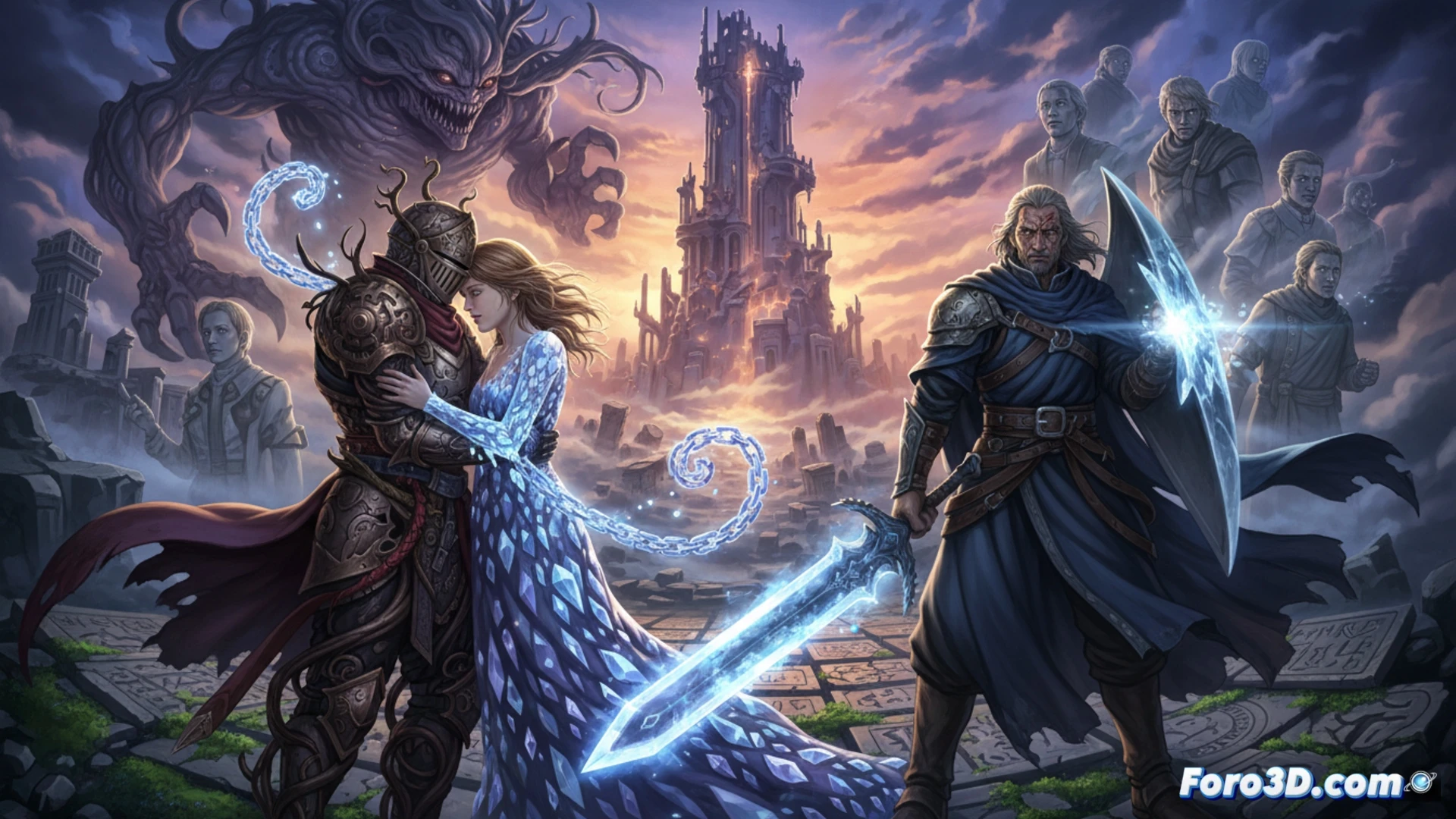
From Narrative to Mechanics: Playable Design in Service of the Plot 🎮
In Pandora's Tower, the narrative premise translates directly into mechanics. Elena's curse requires Aeron to feed her beast flesh regularly, creating a cycle of exploration, combat, and time management that reinforces emotional tension. Lost Odyssey integrates its Thousand Years of Dreams, static textual tales, as an intimate counterpoint to the 3D graphics. These design decisions subordinate technology to the purpose of the story.
Operation Rainfall and a Handful of Digital Tears 😢
It's curious that a genre associated with epics against gods had to rely on fan campaigns like Operation Rainfall to see the light in the West. We strive to save virtual kingdoms, but we had to mobilize to rescue games from regional oblivion. In the end, the greatest test of endurance was not that of the characters, but that of the fans sending letters so that a company would notice there was a market. The true secret mission was marketing.