Iran Declares European Union Armies as Terrorist Groups
The government of Iran has taken an unprecedented decision by classifying the armed forces of European Union countries as terrorist organizations. This action constitutes direct retaliation after the European bloc included the Islamic Revolutionary Guard Corps (IRGC) on its own terrorism list. The diplomatic standoff reaches a new level of rhetorical confrontation 💥.
A Symmetrical Parliamentary Response
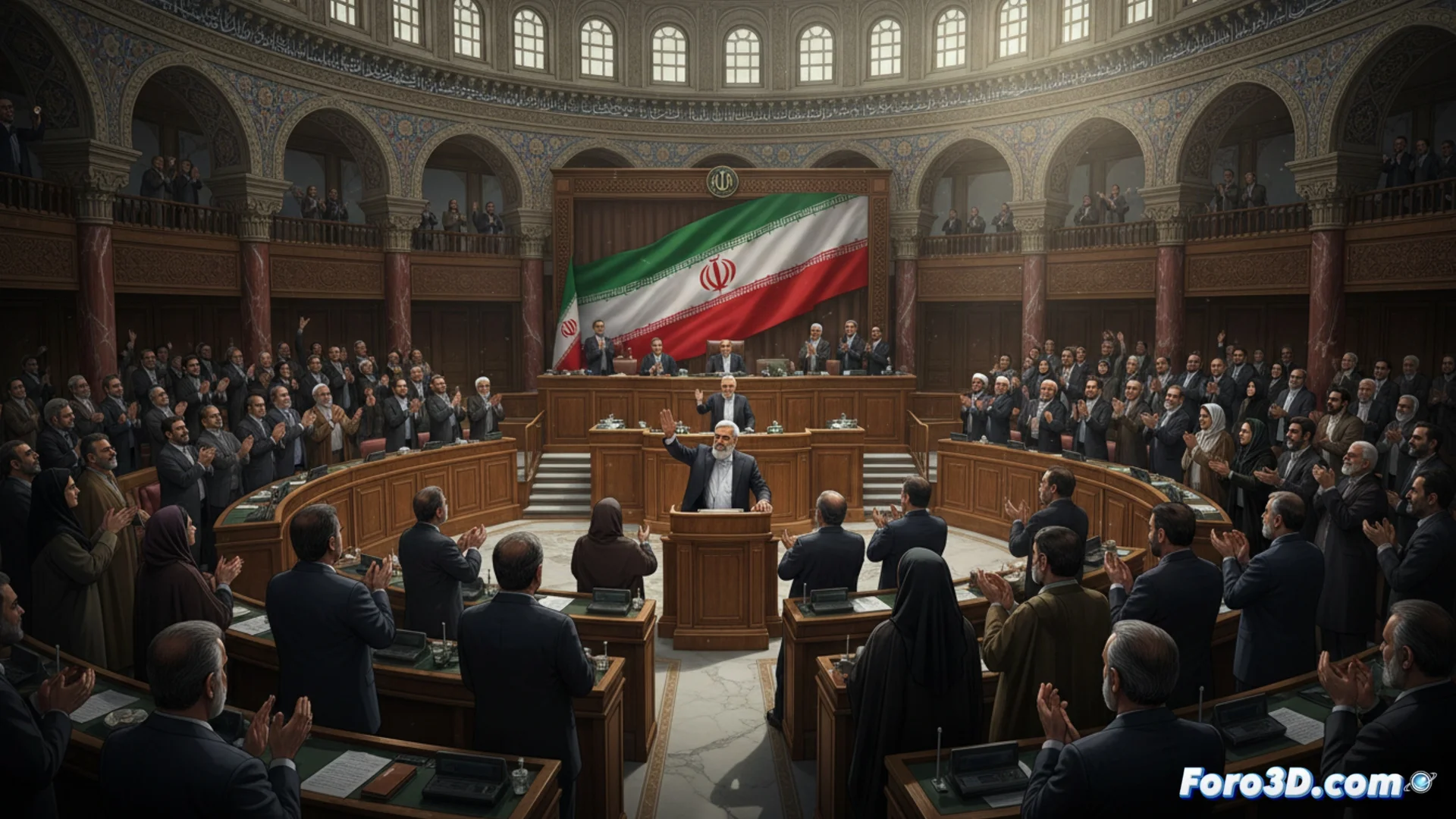
Mohammad Baqer Qalibaf, president of the Iranian Parliament, made the announcement public this Sunday. The measure is based on a national law that enables the State to apply reciprocal countermeasures when another nation designates Iranian entities as terrorists. During the session, Iranian legislators expressed their firm support for the IRGC and accused European capitals of following United States interests.
Key Points of the Iranian Declaration:- A reciprocity law is applied to justify the action.
- The response is qualified as symmetrical and within its own legal framework.
- It seeks to project firmness to the internal citizenry and challenge external pressures.
The geopolitical board sometimes prefers to play with words rather than with other weapons.
Immediate Rejection from Europe
The reaction from European countries was not long in coming. Several government spokespersons discredited Tehran's declaration, calling it unfounded and a mere propaganda act. This verbal escalation arises after the EU's decision to sanction the IRGC for its harsh role in repressing internal protests in Iran. The exchange of accusations marks a new low in already severely deteriorated relations due to complex negotiations over the Iranian nuclear program 🌍.
Elements of the Diplomatic Crisis:- The EU sanctioned the IRGC for its actions in domestic protests.
- Iran interprets that sanction as alignment with Washington.
- The tension overlaps with the stalemate in nuclear talks.
The Rhetorical Turn and Its Implications
This dialectical escalation transforms regular armies of sovereign states into actors equated with non-state groups, an unusual narrative twist in conventional diplomacy. Analysts point out that, beyond words, the move seeks to consolidate the Iranian government's position before its public opinion and show resistance to what it perceives as an international pressure campaign. The countermeasures law serves as the legal pillar for a response intended to be perceived as proportionate and legitimate ⚖️.