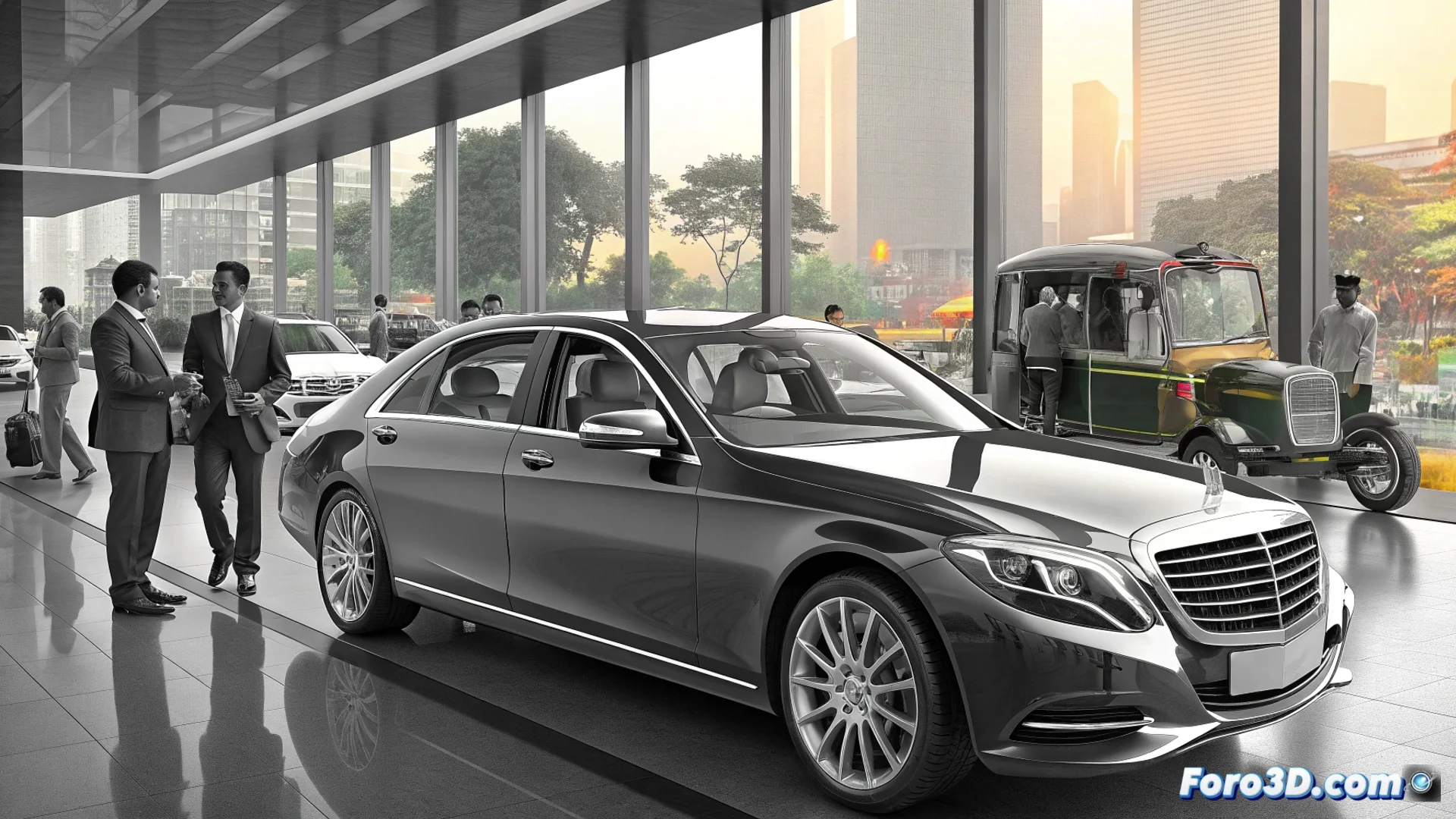
India-EU Trade Agreement Opens Doors to German Automobiles
A trade pact under discussion between India and the European Union has the potential to reduce taxes on imported cars. 🚗 This situation creates a favorable scenario for German automotive companies, which yearn to increase their share in a rapidly expanding economy. For this sector, the Indian territory emerges as a primary target to place their high-end models, which today face very high customs duties.
Key Objectives in Bilateral Talks
The dialogues, which resumed after a long period without progress, focus on making the exchange of goods and services smoother. A central aspect is to lower the 70% levy that India imposes on automobiles arriving from other countries. For the European bloc, accessing this market constitutes a top-priority strategic goal. For its part, India seeks to attract greater foreign investment and advanced technology to modernize its industrial sector. 💼
Key Points of the Agreement:- Reduce tariff barriers that make imported products more expensive.
- Facilitate norms and standards to streamline trade.
- Attract capital and technological know-how to the Indian industry.
“Opening this market is a strategic priority for the EU,” reflecting the geoeconomic importance of the agreement.
The Appeal of the Asian Giant for Luxury Brands
Iconic companies like Mercedes-Benz, BMW, Audi, and Porsche would be the main beneficiaries if a tax reduction materializes. India holds the third place globally in automobile sales, and its appetite for premium cars continues to grow. However, the environment is highly competitive, as local producers and other international firms also vie to strengthen their presence. 🏁
Brands That Could Expand:- Mercedes-Benz: Seeks to consolidate its leadership in the premium segment.
- BMW and Audi: Compete for a larger share in the luxury market.
- Porsche: Targets a growing niche of high purchasing power.
Consumer and Manufacturer Perspectives
While German executives design strategies to grow, some buyers in India already imagine that a Mercedes S-Class could have a price similar to that of a high-end local sedan. However, this idea is perceived more as a distant wish than an imminent change. The path to equalizing prices is long and depends on the trade negotiations bearing fruit and translating into concrete measures. The future of German cars in India looks promising, but it is subject to the fine print of the treaty. ✍️