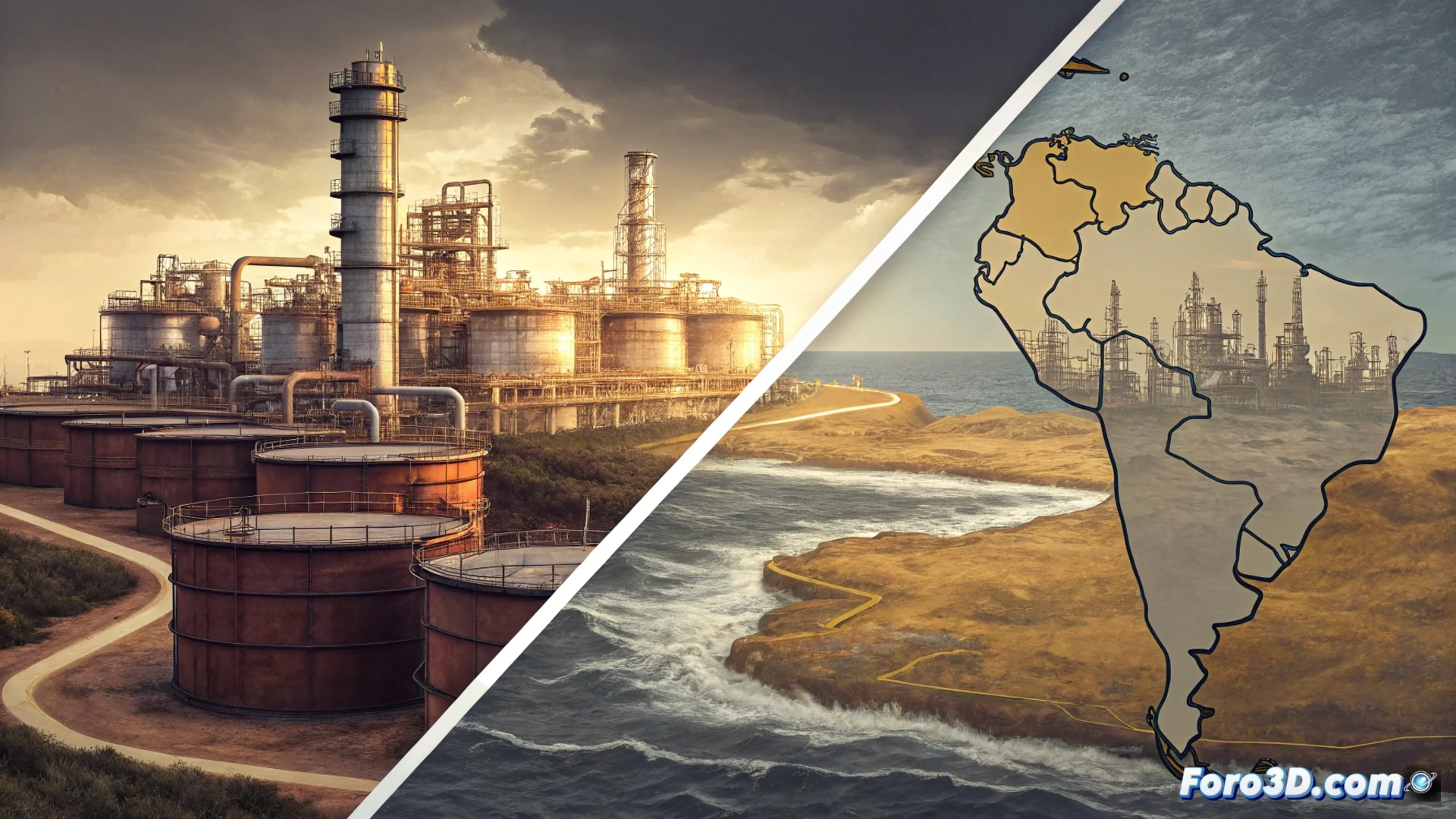
India Adjusts Its Energy Policy and Evaluates Buying Venezuelan Oil
The Indian government is modifying its energy approach and analyzing the possibility of acquiring crude oil from Venezuela. This initiative responds to the need to reduce its high dependence on oil arriving from Russia. Geopolitical factors and agreements with the United States drive this reevaluation. 🌍
Venezuela Cannot Replace Russia Immediately
Sector analysts point out that Venezuela has difficulties in taking Russia's place as the main supplier in the short term. Its capacity to produce is reduced, and its oil facilities require significant improvements. Transporting the crude to Indian ports also involves much higher logistical costs.
Key limitations of Venezuelan supply:- Limited production that does not reach the required volumes.
- Oil infrastructures that are deteriorated and need investment.
- Significantly higher maritime transport costs.
Switching from a giant with problems to another with even more complications is not the most robust strategy, but it allows spreading the risk.
A Secondary Role in a Progressive Diversification Plan
Due to these restrictions, Venezuela could only function as a complementary partner. Its participation would be integrated into a gradual process to expand India's range of energy sources. This method allows the Asian country to explore new alternatives without jeopardizing the stability of its current purchases.
Advantages of a gradual approach:- Allows testing new markets without compromising existing contracts.
- Helps build trade relationships with multiple actors.
- Reduces vulnerability to crises or sanctions in a single supplier country.
A Strategic Move with a Forward-Looking Vision
This decision reflects a broader strategic calculation. It is not about a direct replacement, but about building a more resilient supply network less exposed to international tensions. Although the challenges are considerable, diversifying is a crucial step to ensure long-term energy security. ⚡