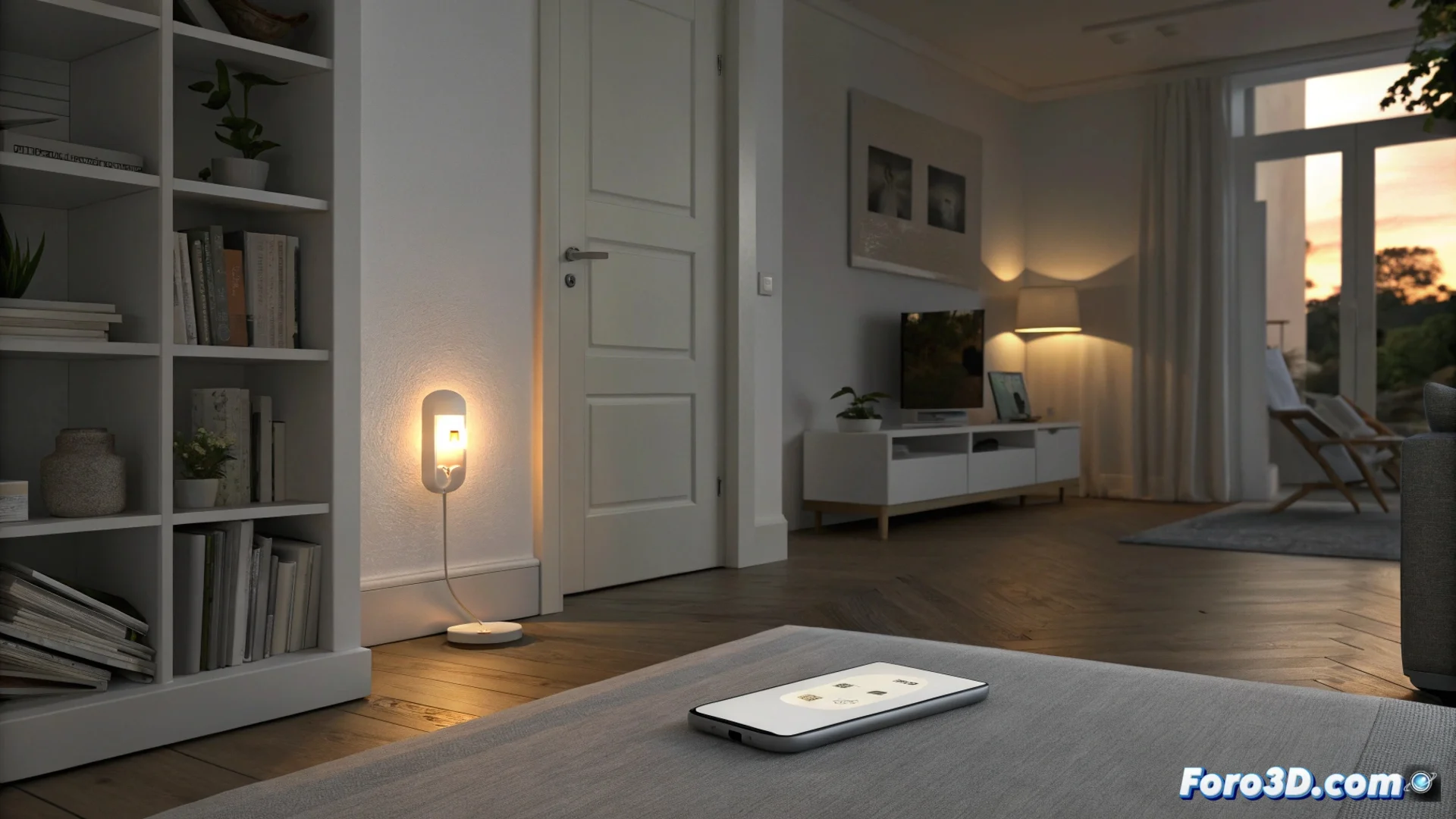
Ikea Expands Its Smart Home Ecosystem with New Sensors for Dirigera
The Swedish company Ikea has unveiled a line of accessories for its home automation system. These components aim to allow anyone to program their home without facing technical complexities. The novelty arrives to enrich the Dirigera platform. 🏠
Types of Sensors and Their Operation
The collection incorporates three main variants: motion detectors, opening detectors for doors or windows, and presence detectors to know if someone is in a room. All connect wirelessly to the Dirigera hub using the Thread protocol, ensuring a solid connection and immediate reactions to control other connected devices.
Key Features of the Devices:- Wireless Connection: They communicate with the hub via Thread for stable integration and quick response.
- Battery-Powered: They operate with long-lasting batteries, eliminating the need for construction work or running cables.
- Discreet Design: Developed to blend in with home decor and be easy to install.
"What my house really needed was for a little Swedish box to know when I go to the bathroom at midnight to light my way straight to the fridge."
Setting Up Automations with the Central Hub
To use these sensors, it is essential to have the Dirigera hub, which acts as the management core. Users define automation rules from the Ikea Home Smart app. For example, lights can be turned on when motion is detected in a hallway at night, or an alert can sound if a window opens at an unusual time. 🛠️
Examples of Possible Automations:- Turn on lights when motion is detected in dark passage areas.
- Activate a security alarm if a door opens unexpectedly.
- Manage other smart devices in the ecosystem based on people's presence.
A Strategy Focused on Simplicity
With this move, Ikea reinforces its commitment to offering accessible smart home solutions. The sensors are aimed at those who want to start automating their home without investing in complex or high-cost setups. The brand competes in a growing sector, where ease of use and interoperability are decisive for non-expert consumers. The goal is clear: democratize smart home technology. 🤖