The IEEE Institute positioned itself as a key actor in dialogues on climate mitigation during COP30 and a UIT symposium. Its leaders, such as former president Saifur Rahman and fellow Claudio Canizares, presented concrete technological solutions. The focus was on demonstrating how engineering can translate innovation into practical policies, highlighting the role of this community in the transition to sustainability.
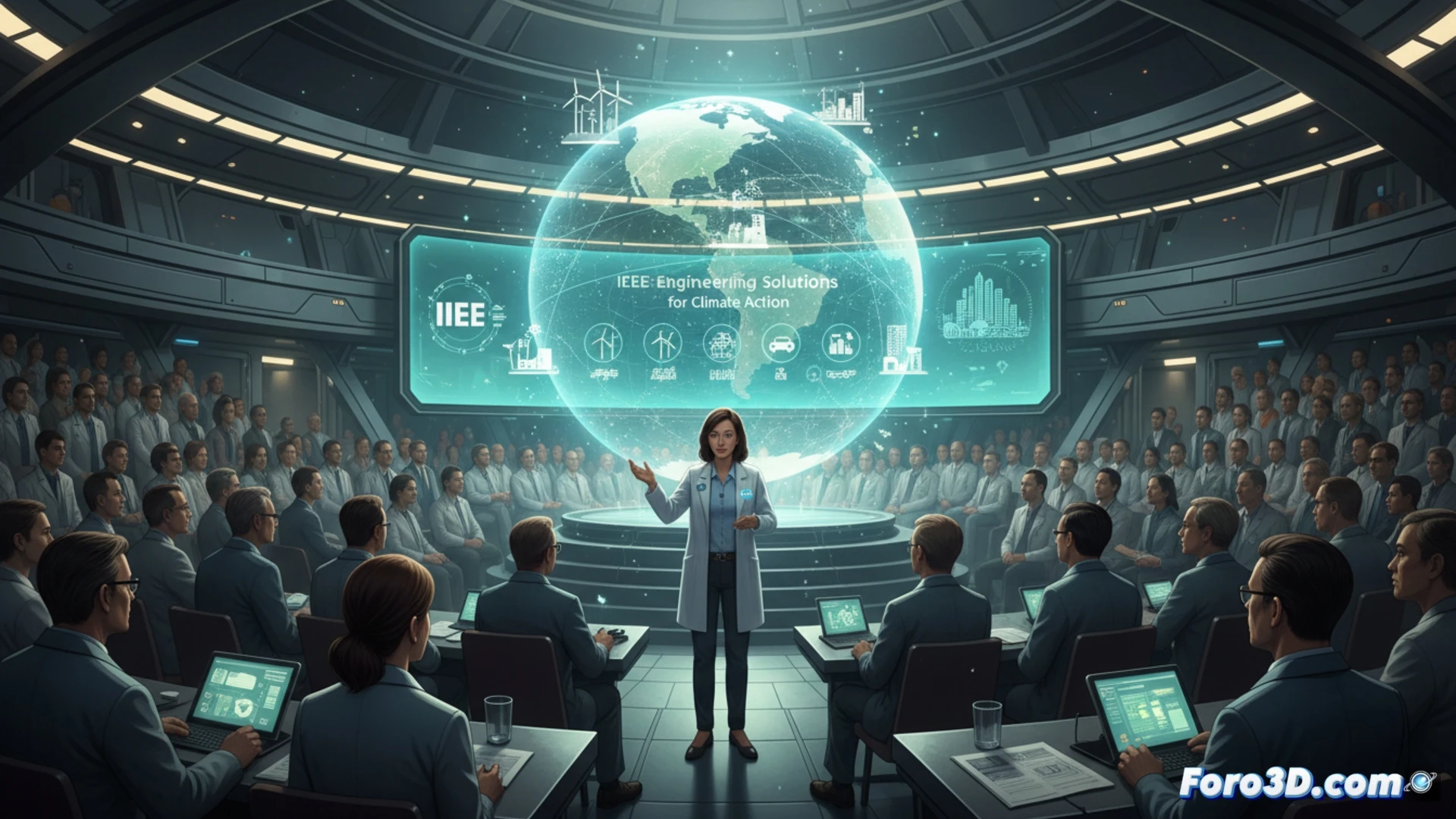
Technological Pillars: Smart Grids, Renewables, and Carbon Capture ⚙️
IEEE's interventions highlighted three fundamental technological areas. Advances in renewable energy systems for more efficient and distributed generation were presented. The development of smart electrical grids, with demand management and storage integration capabilities, was discussed. Tools for carbon capture, utilization, and storage (CCUS) were also addressed as a necessary component for hard-to-decarbonize industries.
And While Politicians Debate, Engineers Already Have the Blueprints 🛠️
It's a classic: in these global forums, delegations negotiate for days the wording of a paragraph on emission reductions. Meanwhile, in the IEEE panel, they were already showing flow diagrams and simulation models to achieve it. It seems that, in the climate race, some arrived with speeches and others with the equations already solved. At least it's clear who will be called upon to make the agreements a reality... once they are signed.