How to Program in 3D Without Using Sight
Can you imagine building a digital world without being able to see the screen? 👨💻 A team of researchers is making this possible by developing systems that allow visually impaired programmers to perceive and manipulate three-dimensional objects. These tools transform code into alternative sensory experiences.
Building with Code and Perceiving with Other Senses
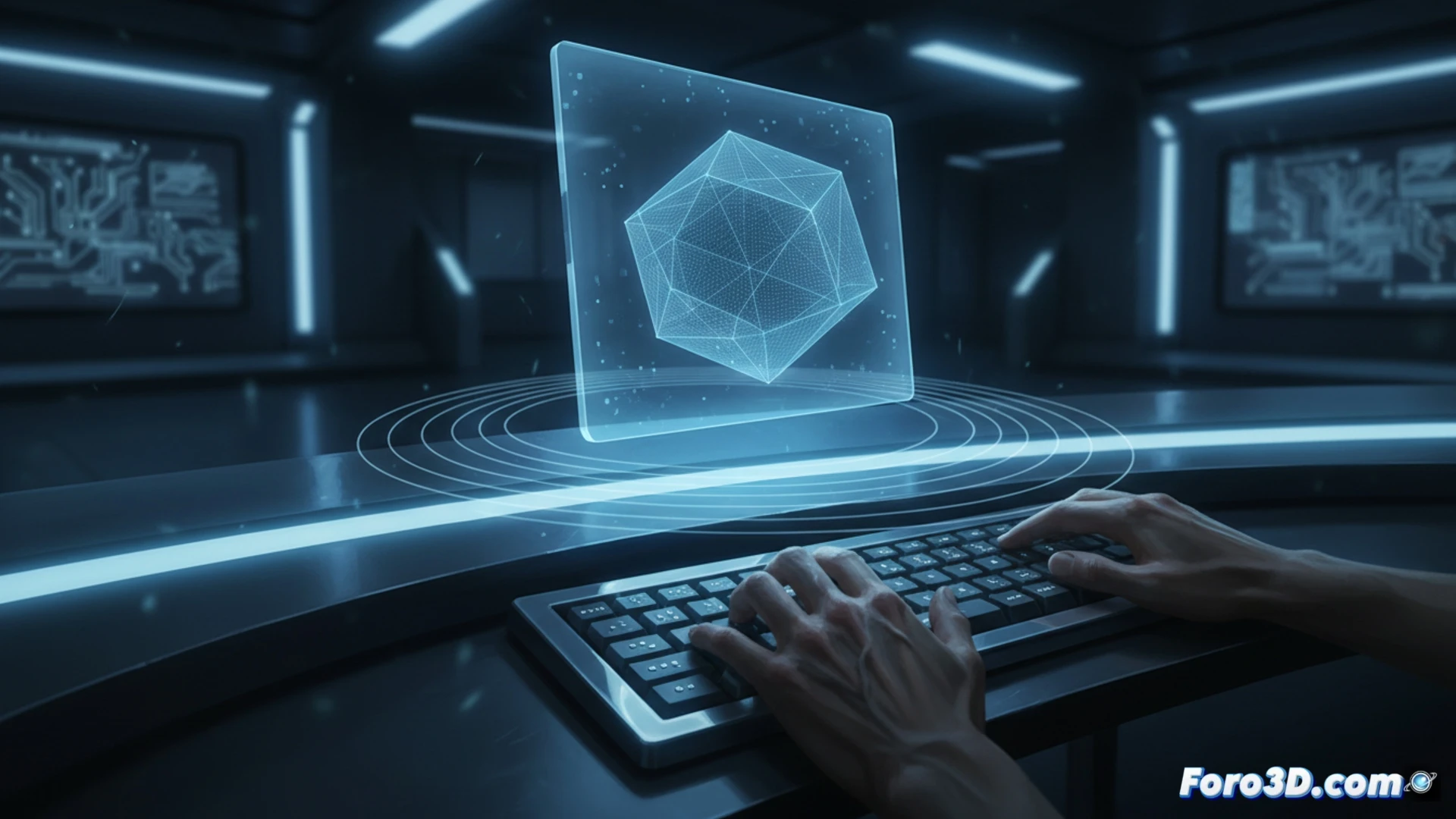
Instead of a mouse or a stylus, the interface relies on a keyboard and a voice synthesizer. The user writes precise commands, as if giving detailed orders to a collaborator. The system responds by describing the scene with spatial sounds or through haptic devices that generate physical shapes. It's similar to assembling a structure with blocks using only verbal instructions, where each line of code places a virtual element. 🧱
Key components of the system:- Code input: Shapes and their properties are programmed via text.
- Auditory output: A 3D audio system describes the position, size, and relationships of objects.
- Tactile feedback: Some prototypes include screens that deform to create tactile reliefs.
Accessibility is often the origin of innovation that benefits everyone.
A Benefit That Extends to All Users
These solutions don't just help blind programmers. The multi-sensory centered design approach is inspiring new ways to interact with complex software for anyone. For example, editors could emerge where 3D models are sculpted by adjusting sounds, or more powerful voice navigation systems for technical tasks. 🎧
Broader impacts of the technology:- New interface paradigms: Exploring hearing and touch as primary information channels.
- Multi-sensory tools: Design software that can be operated in screenless visual environments.
- Inclusive training: Opening the field of 3D modeling and graphics programming to more people.
Looking Beyond the Visible
Sometimes, apparent restrictions drive the most original ideas. This project demonstrates that to understand and create a three-dimensional model, it is sometimes more effective to not rely on the eyes and instead listen to or touch the digital geometry. 👐 Technology advances when designed with human diversity in mind.