How Criticism is Handled in Formula 1: The Williams Case
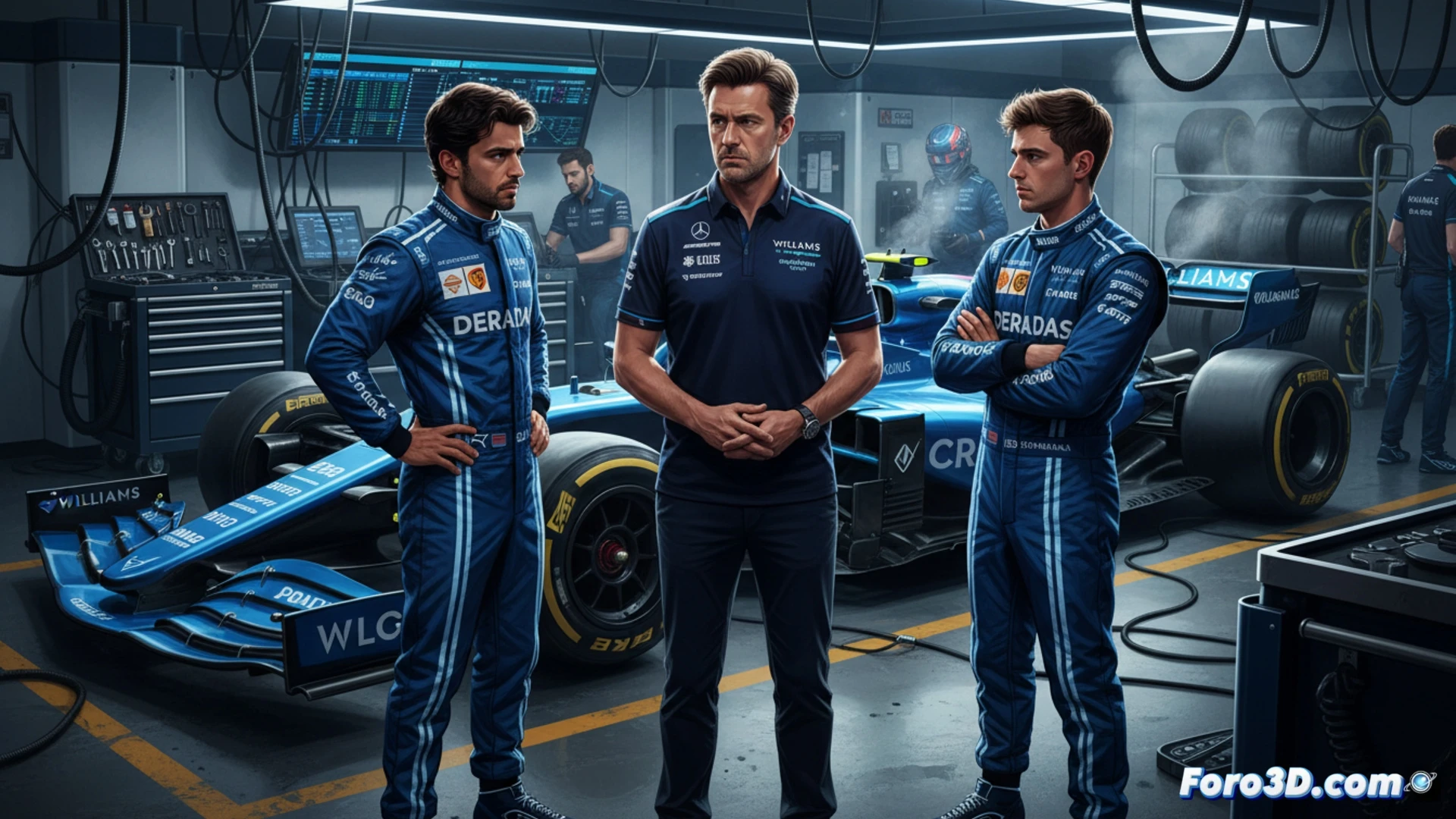
In Formula 1, the synergy between driver and team is fundamental. Recently, at Williams Racing, its drivers Carlos Sainz and Alex Albon showed their frustration with the car's behavior, a situation comparable to acquiring a device that does not meet the promised expectations. The team principal, James Vowles, stepped in to clarify those comments, assuring that the team is already working to resolve the issues. This episode illustrates the complex dance between transparency and public image management in the paddock. 🏎️
Strategic Communication in the Garage
Every public statement in F1 carries enormous weight. When a driver expresses disappointment, it triggers an immediate technical alert. However, management must prevent panic from spreading or morale from being damaged. Vowles executed a classic damage control: he acknowledged the existing faults and, at the same time, detailed the plan to fix them. This balance between honesty and maintaining confidence is a management lesson that any project leader would understand instantly.
Key Elements of an Effective Response:- Acknowledge the Problem: Not denying reality avoids losing credibility.
- Detail the Action Plan: Explaining concrete steps for improvement reassures drivers and fans.
- Maintain Team Unity: Communication must reinforce that everyone is working toward a common goal.
In F1, managing expectations and emotions is as crucial as fine-tuning the rear wing.
The Psychological Dimension of Performance
This dynamic goes beyond the technical. The driver's confidence in their machine is a component as vital as engine power. If a driver loses faith in the car, their performance declines, even if engineering data shows progress. For this reason, team principals must also act as motivators and psychologists. Their job is not limited to giving orders, but to listening, translating frustration into urgent technical tasks, and keeping the driver mentally focused.
Consequences of Poor Management:- Loss of Driver Confidence: Directly impacts their aggression and precision on track.
- Negative Team Atmosphere: Affects the efficiency of engineers and mechanics.
- Damage to Public Image: The external perception of crisis can scare off sponsors.
The Human Factor in Cutting-Edge Technology
This case reminds us that, even in the universe of high technology and real-time data, the most complex component to manage is often the human one. Poor communication or a poorly transmitted message can halt a team's progress more abruptly than an aerodynamic flaw. Managing people, their expectations, and their emotions remains the ultimate skill to succeed in the elite of motorsport. 🤝