How Computers Detect Malicious Emails with Artificial Intelligence
Have you ever stopped to think how your email client manages to keep those deceptive messages seeking your data out of sight? 🕵️♂️ The key is no longer in simple lists, but in an evolution toward systems that learn from information. This change represents a leap from static methods to adaptive intelligence.
From Static Code to Dynamic Reasoning
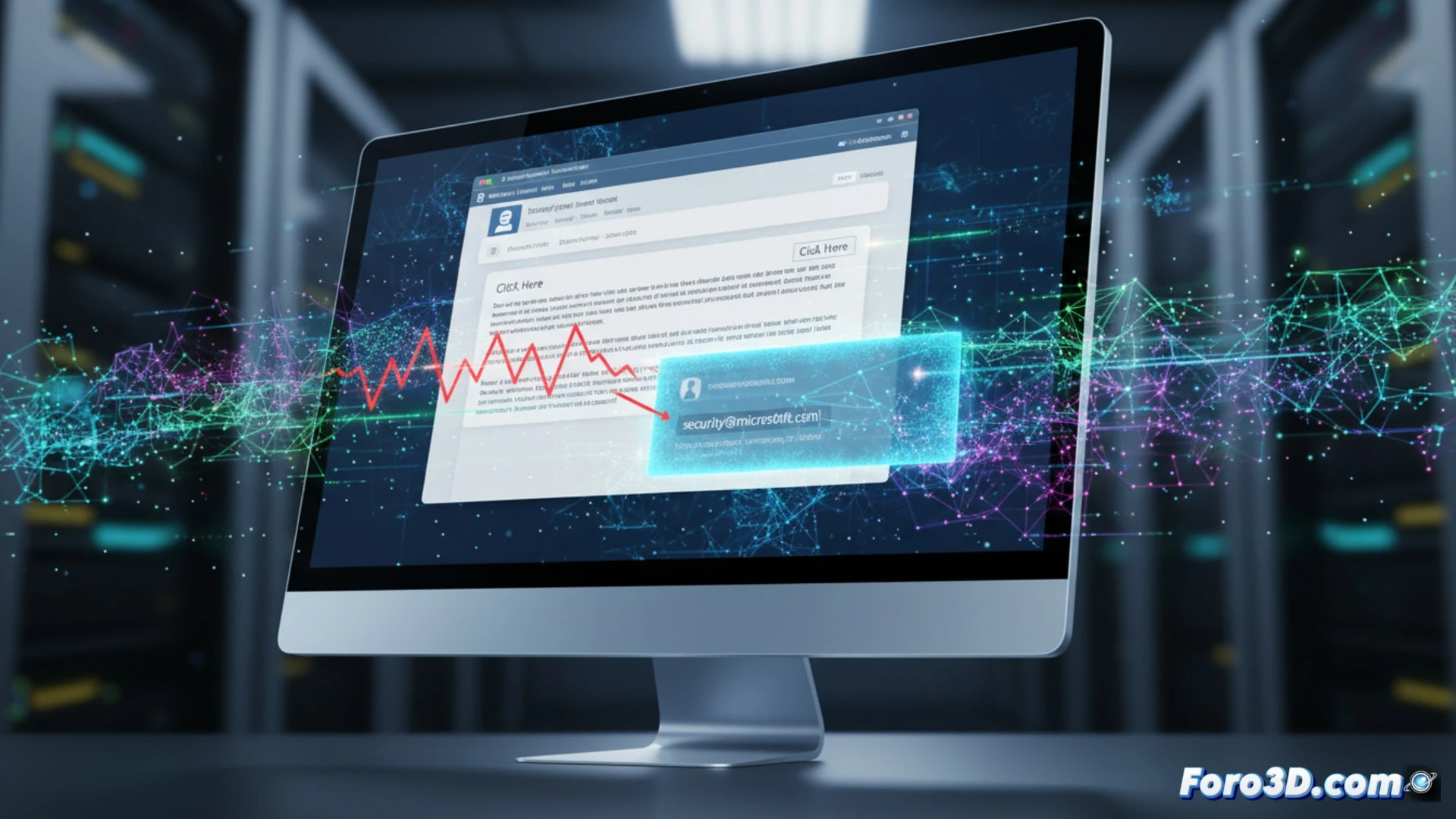
Traditional approaches operated with fixed guidelines, such as blocking a specific domain. The drawback is that attackers constantly modify their methods. Today, machine learning algorithms work like a seasoned investigator. They examine hundreds of signals within an email: the message origin, the written content, embedded hyperlinks... and gain the ability to identify fraudulent patterns, even in newly created threats.
What exactly do these systems examine?- The server origin and its reputation on the network.
- The link destinations, checking if they redirect to very recent or anomalous sites.
- The text characteristics, such as grammatical errors or an unusually urgent tone.
By combining these digital clues, the model does not give a yes/no verdict, but calculates a risk probability. It's as if your spam filter had studied the mind of a scammer.
The Hidden Digital Fingerprint of Every Email
A fascinating aspect is that the analysis goes beyond reading words. The systems build a complete technical profile of each communication. They evaluate metadata, headers, and relationships between elements that a human would overlook. This ability to connect non-obvious dots is what allows catching novel traps.
Alert signals that algorithms look for:- Discrepancies between the sender's address and the displayed name.
- Unusual requests for personal data or credentials.
- A design that imitates but does not exactly match that of a legitimate company.
A Guardian That Never Stops Learning
When a phishing email doesn't reach your main inbox, there's a trained machine working in the background. Its success is based on transforming data into intuition, marking a small triumph where technology learns to overcome malicious cunning. 🛡️ This continuous process of learning and adapting is the new frontier in protecting digital communication.