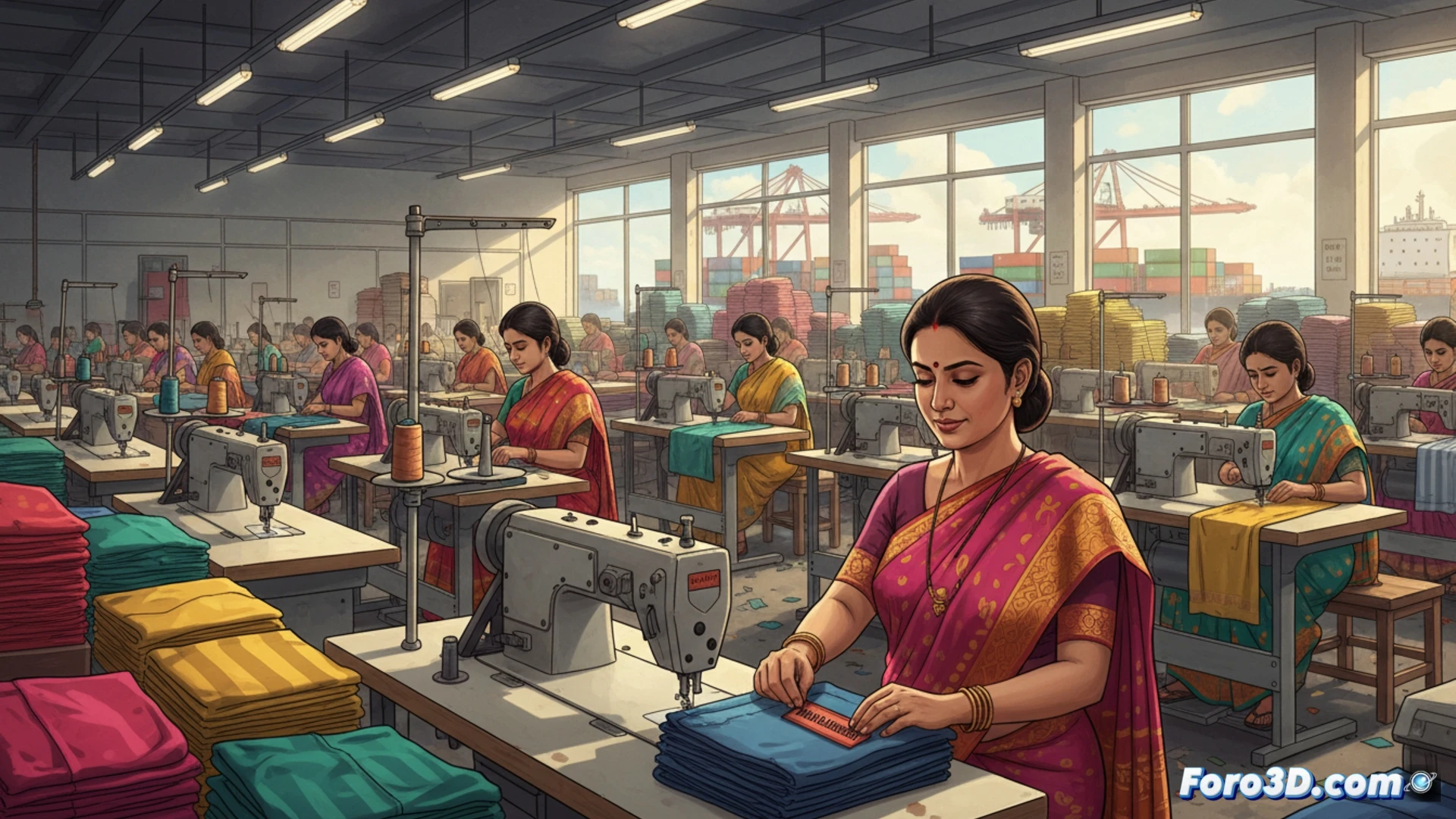
How a Tariff Adjustment in the U.S. Redefines the Global Textile Industry
Behind the "Made in Bangladesh" label on a garment lies a complex economic network that has just experienced a significant shift. The United States modified its trade policy by reducing the import tax on clothing from Bangladesh to 19%. This change acts as a structural discount that alters the rules of the trade game 🌍.
The Strategic Meaning of Lowering a Tariff
A tariff acts as an international toll that makes imported products more expensive. By reducing it, clothing manufactured in Bangladesh becomes more price-competitive and competes better in the U.S. market. However, this is not a simple economic concession. It represents a foreign policy tool with a clear objective: to incentivize the Bangladeshi government and manufacturers to improve workers' rights and conditions inside factories, a long-standing demand from unions and international organizations.
Immediate Consequences of This Decision:- Consumer prices in the U.S. for these garments could stabilize or decrease.
- Bangladesh's exports receive a direct boost in competitiveness.
- It generates tangible international pressure to audit and reform the textile sector.
A small percentage change in a tariff can create or eliminate thousands of jobs in a country and adjust prices in stores thousands of miles away.
The Scale of a Giant Industry
It is crucial to understand Bangladesh's weight in the sector: it is the second largest exporter of clothing worldwide, surpassed only by China. Millions of people, overwhelmingly women, depend on this industry for their livelihood. Therefore, tariff adjustments like this have a multiplier effect on the local economy and the global supply chain.
Key Data on Bangladesh's Textile Sector:- It is an economic backbone for the country, attracting significant foreign investment.
- The connection with Western markets defines its production pace and growth.
- Decisions at negotiation tables determine the flow of goods and manufacturing standards.
A Chain That Ends in Our Closet
This case clearly illustrates how distant trade agreements end up influencing the origin, cost, and availability of what we wear. The next time you look at a country-of-origin label, you will perceive it as the endpoint of an extensive and dynamic chain of political, economic, and human decisions. The global economy demonstrates, once again, its profound interconnectedness 👕.