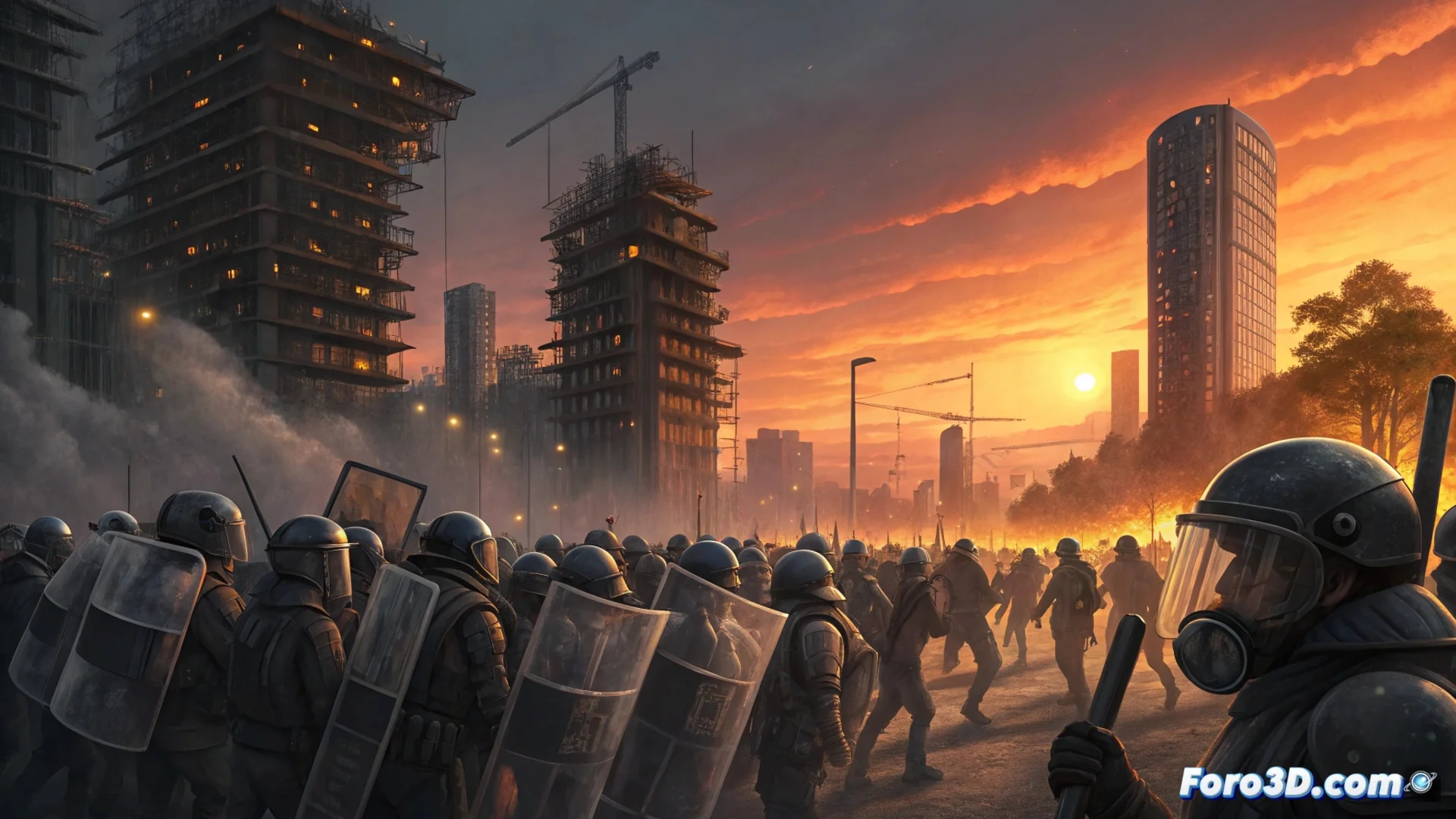
From Protest to Riot: The Conflict in Milan's Olympic Village
Think of a dynamic metropolis like Milan, where citizens exercise their right to demonstrate. This fundamental right can, however, lead to high-tension situations that erupt unexpectedly. 🔥 We analyze what happened around the future Olympic complex.
The Trigger of the Confrontation
The initial mobilization criticized how the government handles access to housing, an issue that deeply affects those seeking a home. Frustration and the sense of exclusion were palpable. The situation deteriorated when the gathering approached the perimeter where the village for the 2026 Winter Olympics is being built. Some participants began throwing objects, prompting security forces to respond with tear gas, initiating a cycle of violent escalation. 💨
Key Elements of the Confrontation:- Origin: Rejection of public policies on housing.
- Tipping Point: Approach to the Olympic construction area.
- Action-Reaction: Throwing of objects and use of gas by the police.
"Global mega-events often create very deep local fractures."
The Paradox Behind Major Events
There is a notable contradiction: the Olympics, which symbolize world peace and unity, frequently generate strong protests in the communities that host them. The main fear is that these projects will skyrocket rental costs and displace regular residents, transforming the city to serve temporary visitors rather than its inhabitants. It is the irony of building an emblem of international harmony while deepening the rift in the neighborhood. 🏗️
Frequent Consequences of Mega-Events:- Rapid increase in housing prices.
- Displacement of local population (gentrification).
- Urban transformation oriented toward tourism.
Looking Beyond the Riots
Therefore, when reporting on street clashes, it is crucial to remember that they are usually the visible expression of a deeper social discontent. Often, the underlying problem does not lie in the peaceful protest, but in what happens when initial demands are not addressed and accumulated frustration seeks other outlets. 👂