From Manual Wisdom to Connected Washer: Caring for Clothes in the Digital Age
How to evolve from traditional washing methods to operating an internet-connected appliance without damaging your most valuable garments? This path fuses practical knowledge inherited with the precision of modern algorithms. 🧺➡️🤖
The Digital Transformation of Textile Care
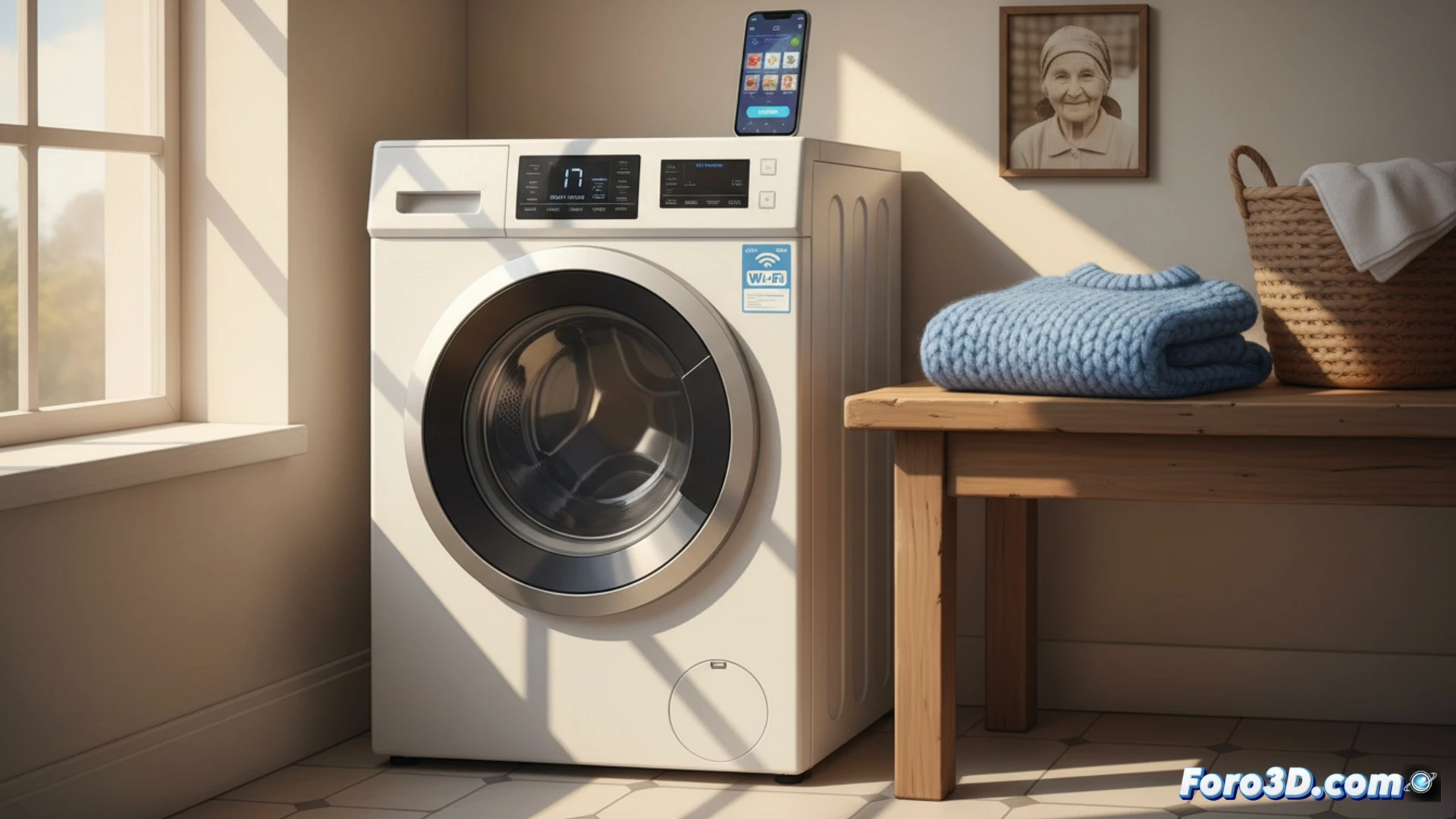
The central element lies in adapting each cycle to specific needs. The multiple available programs are not mere predefined options; they represent digital instructions that emulate the expertise of previous generations. A wool cycle, for example, precisely regulates heat and spin speed to prevent fabric deformation, simulating expert supervision. The mobile app and internet connection act as a control extension, allowing you to manage a delicate wash from anywhere, an unimaginable possibility in the past.
Key Features of Modern Laundry:- Advanced Customization: Programs that replicate specific care techniques for each type of fiber and color.
- Total Connectivity: Manage, schedule, and monitor wash cycles from your smartphone or tablet.
- Automated Efficiency: Automatic adjustments for water and detergent dosing to optimize every process.
Technology does not replace experience, it empowers it. Now you protect your favorite sweater with a screen tap, but the fundamental principle remains: dedication and precision.
Machine Learning Arrives in the Laundry Room
A fascinating fact is that many of these current devices have the ability to analyze and improve. Models equipped with artificial intelligence systems examine the nature of fabrics and the degree of dirt, modifying wash parameters in real time. It's as if the appliance had internalized all those practical lessons and now applies them autonomously, perfecting each operation to preserve material integrity.
Smart Functions that Make the Difference:- Load and Fabric Detection: Sensors that identify weight and fabric type to select the optimal program.
- Dynamic Resource Adjustment: The machine calculates the exact amount of water, energy, and detergent needed.
- Software Updates: Remote improvements that add new programs or optimize existing ones.
Conclusion: Tradition Powered by Chips
In short, technological innovation encodes traditional wisdom into digital functions. The ability to prevent a garment from shrinking with a remote command does not eliminate the need to understand and value fabrics. It represents the same meticulous care, now executed with 21st-century tools. Undoubtedly, that ancestral wisdom would feel proud (and perhaps a bit perplexed by the app). 🔄📱