In the 18th century, Black Caesar went from enslaved chieftain to Barbanegra's lieutenant, using the sea to fight for his freedom. Today, the battle is fought in cyberspace against authoritarian regimes that surveil and repress. The pirate figure is updated: the crypto-revolutionary. Their mission would be to create digital tools for activists to communicate and organize without being detected.
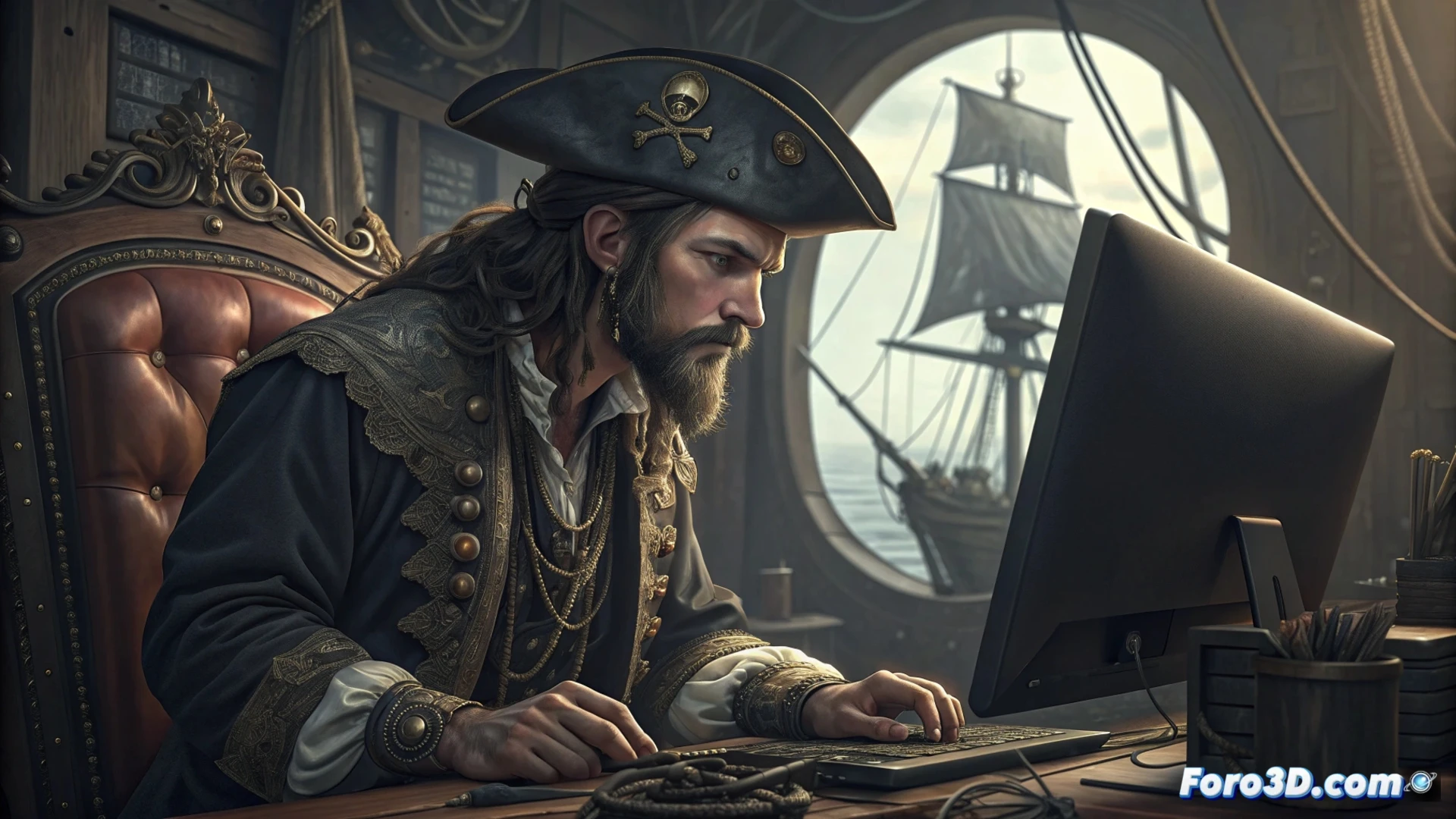
Development of a Digital Ghost Fleet: Protocols and Cryptocurrency ⚙️
The technical solution is based on a decentralized network. It involves the development of messaging applications with end-to-end encryption and onion routing, similar to robust P2P networks. These tools would be distributed through physical networks or hidden channels. A cryptocurrency with mandatory privacy protocols, such as confidential transactions, would finance operations, creating a parallel economic system impossible to track for authorities.
The ISP Watches You, But Your Tor Node Has Your Back 🛡️
While interior ministries spend millions on spyware, a group of developers with old laptops keeps the entire apparatus in check. It's the new asymmetric war: a billion-dollar satellite cannot decipher an activist's message sent from a burner phone. The true rebellion no longer needs a ship; a well-written line of code and an unstable network connection suffice.