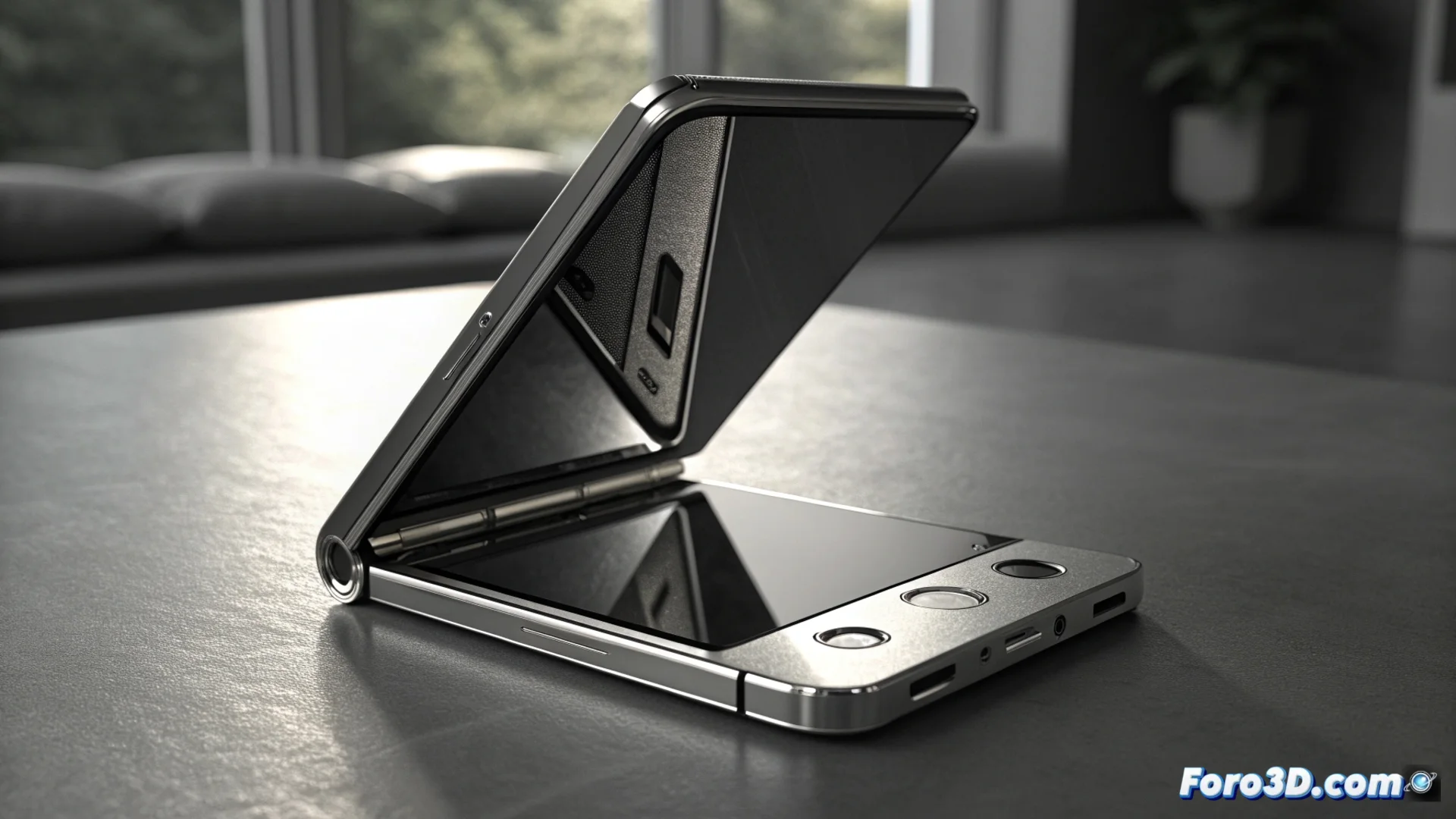
Foldable Mobiles and Their Flexible Screen Technology
Smartphones with a foldable design integrate flexible screens that can be folded. This innovation allows a gadget to change shape, achieving a more compact profile for carrying and an expanded display area when fully opened. The hinge component is essential for the screen to withstand repeated folding without breaking. 📱
How Do Foldable Screens Work?
These screens typically use polymer OLED technology, replacing conventional glass. A thin plastic sheet covers the light-emitting pixels and enables the surface to curve. To prevent the image from distorting when flexed, specific layers are added that withstand the tension. Developers also need to create a system that prevents a marked crease from appearing in the folding area.
Key Material Features:- Use of plastic substrates instead of rigid glass.
- Implement special layers to resist bending stress.
- Design a mechanism that minimizes the crease mark.
The main promise is to combine portability and a large screen, although sometimes the question arises whether folding the screen is the definitive solution or just an intermediate step.
Benefits and Considerations
A foldable device operates like a normal phone when closed and resembles a small tablet when opened. This helps with multitasking with multiple apps in parallel or consuming multimedia content in a more immersive format. However, the hinge and flexible screen add complexity to the assembly, which can affect the thickness, weight, and overall durability of the device compared to classic models.
Points to Evaluate:- Advantage: Combines the portability of a mobile with the large screen of a tablet.
- Consideration: The added mechanics can affect the final weight and thickness.
- Reflection: It is an evolving technology, perhaps prior to extendable screens.
The Future of Flexibility
Its main appeal lies in merging two factors that usually contradict each other: being easy to carry and offering a generous display surface. The evolution of materials and hinge mechanisms will be decisive in improving durability and making these devices more accessible. Meanwhile, the industry continues to research, perhaps awaiting the next leap toward screens that not only fold but can also stretch. 🔄