Europe Advances Toward Strategic Autonomy in Defense and Economy
The European continent is in a crucial process to define its future role, seeking to reduce external dependencies and build a stronger and more independent position. This path has two fundamental pillars: collective security and economic strength. 🌍
From Consuming Security to Generating It
A recent analysis highlights the need for Europe to transition from being a mere consumer of security to becoming an active provider. The central proposal to achieve this change is to allocate 2% of GDP to defense spending. This measure would not only strengthen its own capabilities but also solidify the European component within the Atlantic alliance, a goal that several member states are already actively pursuing.
Key Actions for the Security Pillar:- Increase and harmonize investment in defense to reach the 2% GDP target.
- Modernize equipment and doctrines military to ensure an autonomous and effective response.
- Strengthen industrial cooperation within the bloc to develop its own technology.
To stop being a consumer and become a provider of security, investing in defense is a decisive step.
Strengthening the Economic Base: The Single Market and Beyond
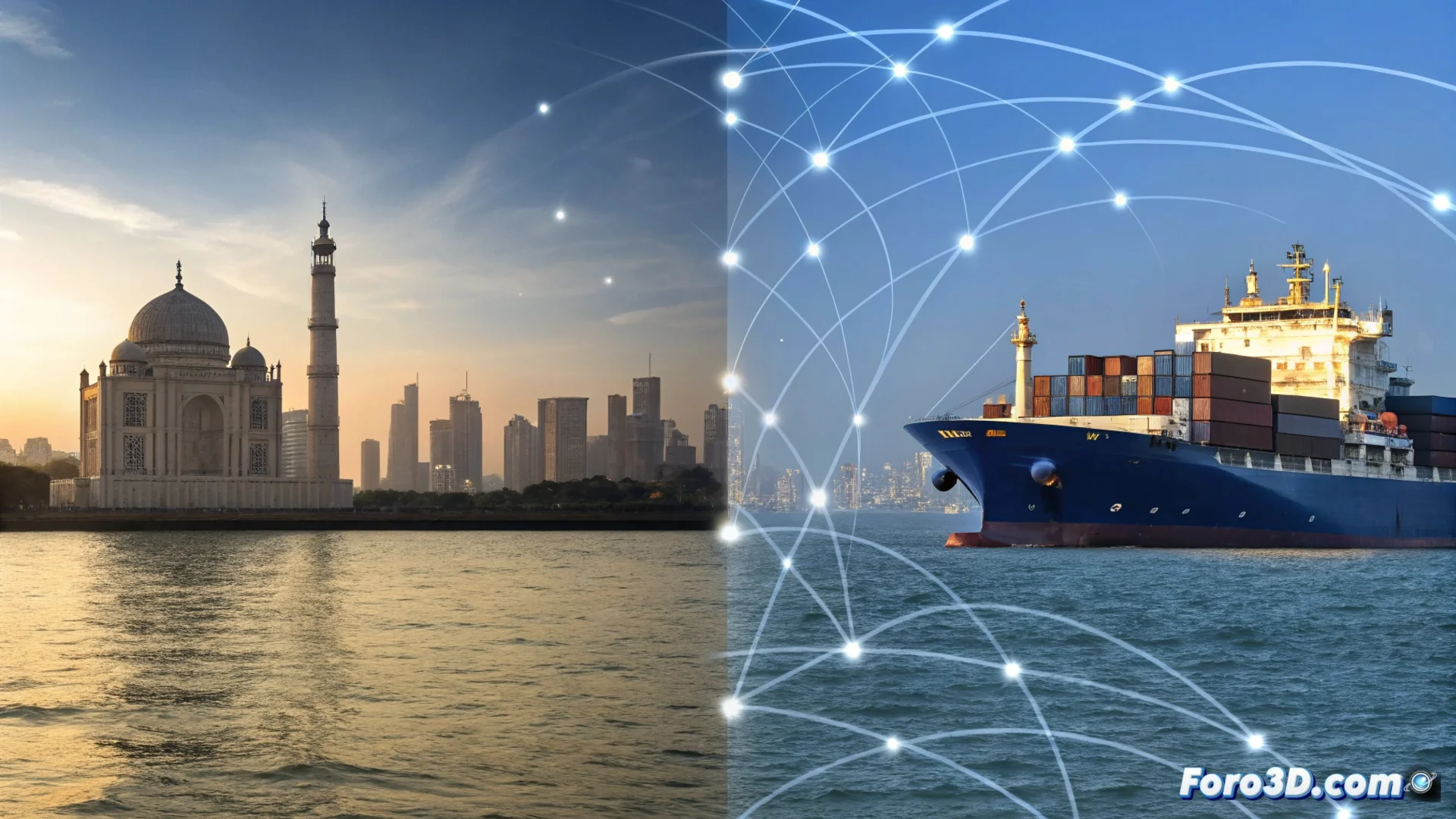
In parallel, the urgency to consolidate the internal market of the European Union and expand its global trade network is recognized. Advancing negotiations with strategic partners such as India, Malaysia, and the Mercosur bloc is considered fundamental. These moves aim to improve the competitiveness of European companies in an increasingly complex and fragmented global economic landscape.
Strategies to Boost the Economy:- Accelerate integration of the single market, eliminating internal regulatory barriers that hinder trade.
- Concretize and sign new free trade agreements with key economies in Asia and Latin America.
- Create a more favorable environment for European industries to innovate and compete on a global scale.
A Dual and Coordinated Effort
The challenge facing Europe is twofold and requires synchronized action. On one hand, modernizing its defense apparatus to secure its space and contribute to global stability. On the other, it must streamline decision-making to eliminate obstacles to trade and investment. Both objectives reinforce each other: a stronger economy sustains a more robust defense, and a secure environment attracts investments. While theoretical discussions continue, reality demands concrete investments and signed treaties, processes that, although slow, are essential to materialize the continent's strategic ambitions. ⚖️