Did you know that Olympic Games can start in two places at once
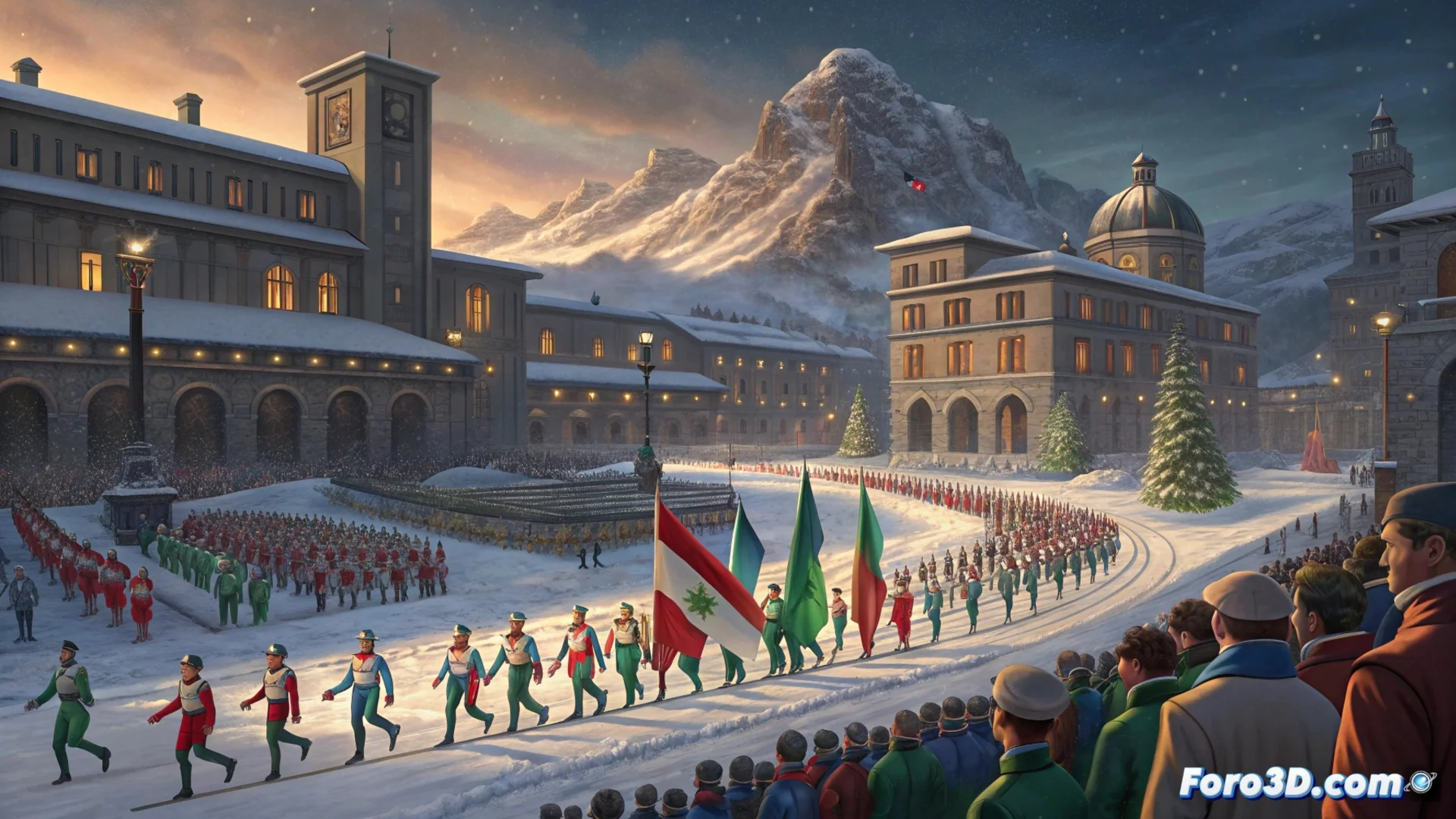
The great winter sports event broke its most classic mold. For the Milano Cortina 2026 Games, the organization decided to distribute the opening ceremony across several points in northern Italy simultaneously, creating a multiple and vibrant event. 🎭
An innovative concept for celebration
Instead of concentrating the entire show in a single stadium, the Olympic magic was shared. Athletes like Japanese skater Wataru Morishige paraded in this pioneering format. It was similar to changing a large gathering for several more intimate encounters in the same complex, allowing numerous cities, not just Milan and Cortina, to live and showcase their culture directly.
Key advantages of this model:- Greater territorial reach: More host regions felt the excitement of the event and could interact with the athletes.
- Community celebration: Each locality offered a unique and personalized welcome, enriching the cultural experience.
- Logistical innovation: It was demonstrated that it is possible to organize a high-level opening without a single massive focal point.
"Sometimes, to innovate, you have to break the mold, even one as classic as the Olympic ceremony."
Direct benefits for athletes
For athletes, this approach represents a significant improvement in their experience. They do not have to travel to a single location for a long ceremony, but participate near their competition venues. It is a modern approach that prioritizes their comfort and reduces wear and tear before competing. 🤸♂️
Impact on the athlete's routine:- Less exhaustion: Long transfers and waiting times in a single venue are eliminated.
- More intimate atmosphere: Interaction with the public and host community is more direct and personal.
- Focus on competition: Being closer to their Olympic village and facilities, they can better maintain their routine and concentration.
The future of opening ceremonies
This event in Italy could set an important precedent. It raises the possibility that in the future it will be common to light the Olympic flame in several places at once, as a symbol of distributed connection. The success of this decentralized formula invites rethinking how to organize the great moments of the games, always seeking to optimize the experience for athletes and spectators. 🔥