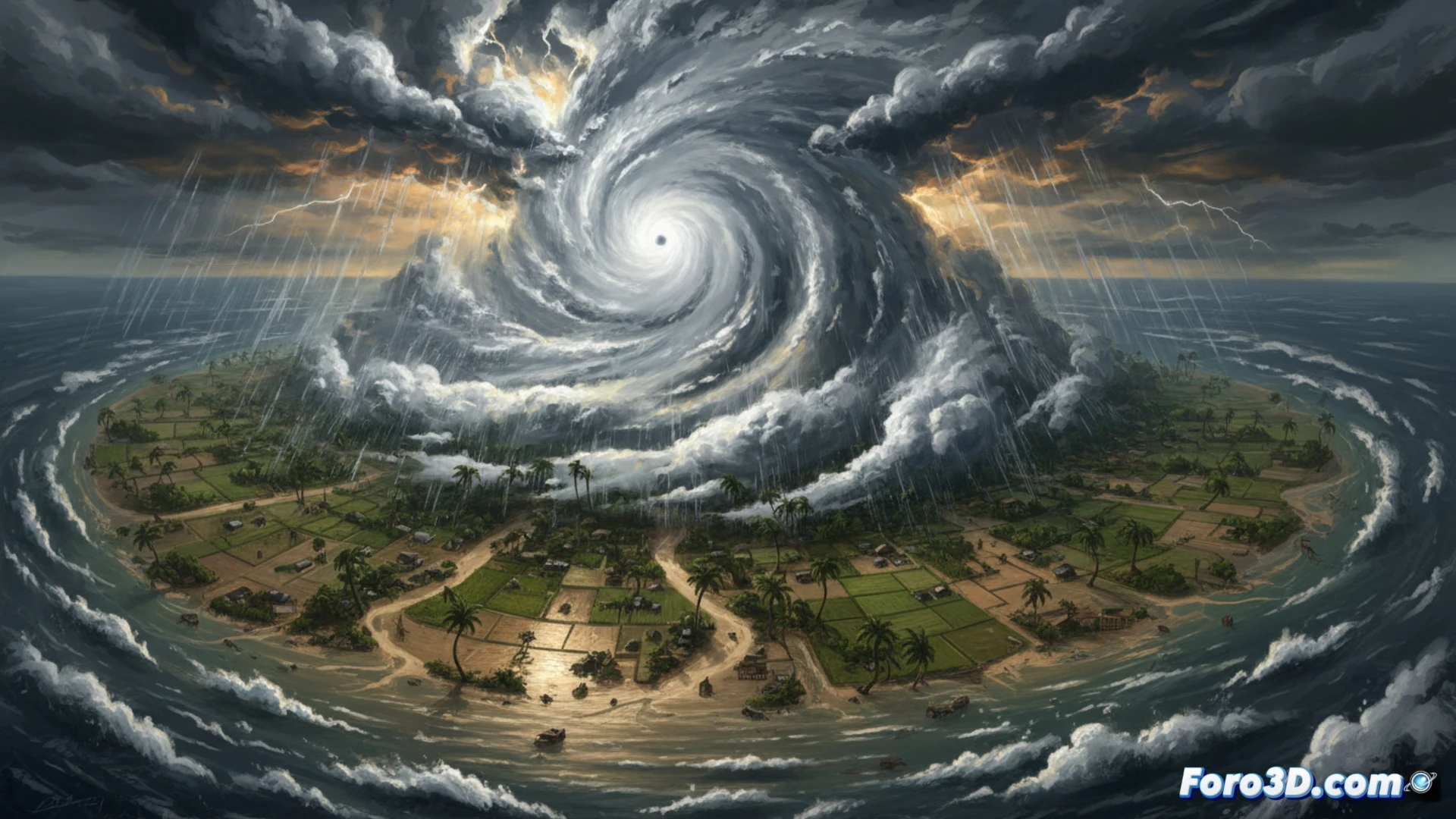
Cyclone Gamane and Why It Devastates Madagascar
Think of the strongest wind you've ever felt, but persisting for days, ripping off roofs and toppling trees. This is the reality Madagascar faces with Cyclone Gamane, a climatic colossus that has left a tragic toll of deaths and a landscape of absolute devastation. Let's explore the causes that make these events so catastrophic on this exceptional island. 🌪️
Geography as a Key Risk Factor
Madagascar occupies a strategic and dangerous position in the Indian Ocean, lying directly in the usual path of tropical cyclones. It acts as an inevitable target. When Gamane struck, it didn't just bring extreme winds; it was a deadly mix of hurricane-force gusts and intense rainfall that turned urban areas into riverbeds and submerged populations. The island's weak infrastructure collapsed under such an assault.
Elements that Worsen the Disaster:- Exposed Location: The island acts as a natural barrier in the cyclone route, receiving their direct impact.
- Lethal Combination: The phenomenon combines destructive winds with torrential rains, causing flash floods and landslides.
- Structural Fragility: Roads, bridges, and homes are not designed to withstand forces of such magnitude.
"Nature displays its power with events like Gamane, reminding us of our vulnerability even with modern technology. Sometimes, all that's left is to provide aid to rebuild."
Crucial Data on the Cyclone Season
Did you know these phenomena have a peak activity period? In the southwest Indian Ocean region, which includes Madagascar, this cycle runs from November to April. Gamane hit in March, near the end, but with unusual violence. A critical point is that, despite meteorological services forecasting its arrival, the isolation of many remote villages makes evacuating the entire population in time a task of enormous proportions.
Factors Complicating the Response:- Defined Seasonal Window: The highest probability of cyclones is concentrated in six months of the year.
- Unpredictable Furies: Although the season is known, the specific intensity of each cyclone can surprise.
- Logistical Challenge: Difficult topography and lack of roads prevent reaching remote communities quickly.
A Lesson on Resilience
Events of this magnitude, like Cyclone Gamane, underscore the overwhelming power of natural systems and the limits of human preparation. They highlight the urgent need to strengthen early warning systems and infrastructure in high-risk areas. Beyond analyzing the causes, the focus must shift to supporting affected populations and planning for a future where these events could recur more frequently. 🤝