A data and commercial transaction analysis reveals a fact: various companies headquartered or with strong ties in the United Kingdom maintain participation in the Russian energy market. This participation is not direct, but through intermediaries, subsidiaries in third countries, or the trading of derivative products. The context of sanctions has complicated the landscape, but financial and data flows indicate that the connection persists in an adapted form.
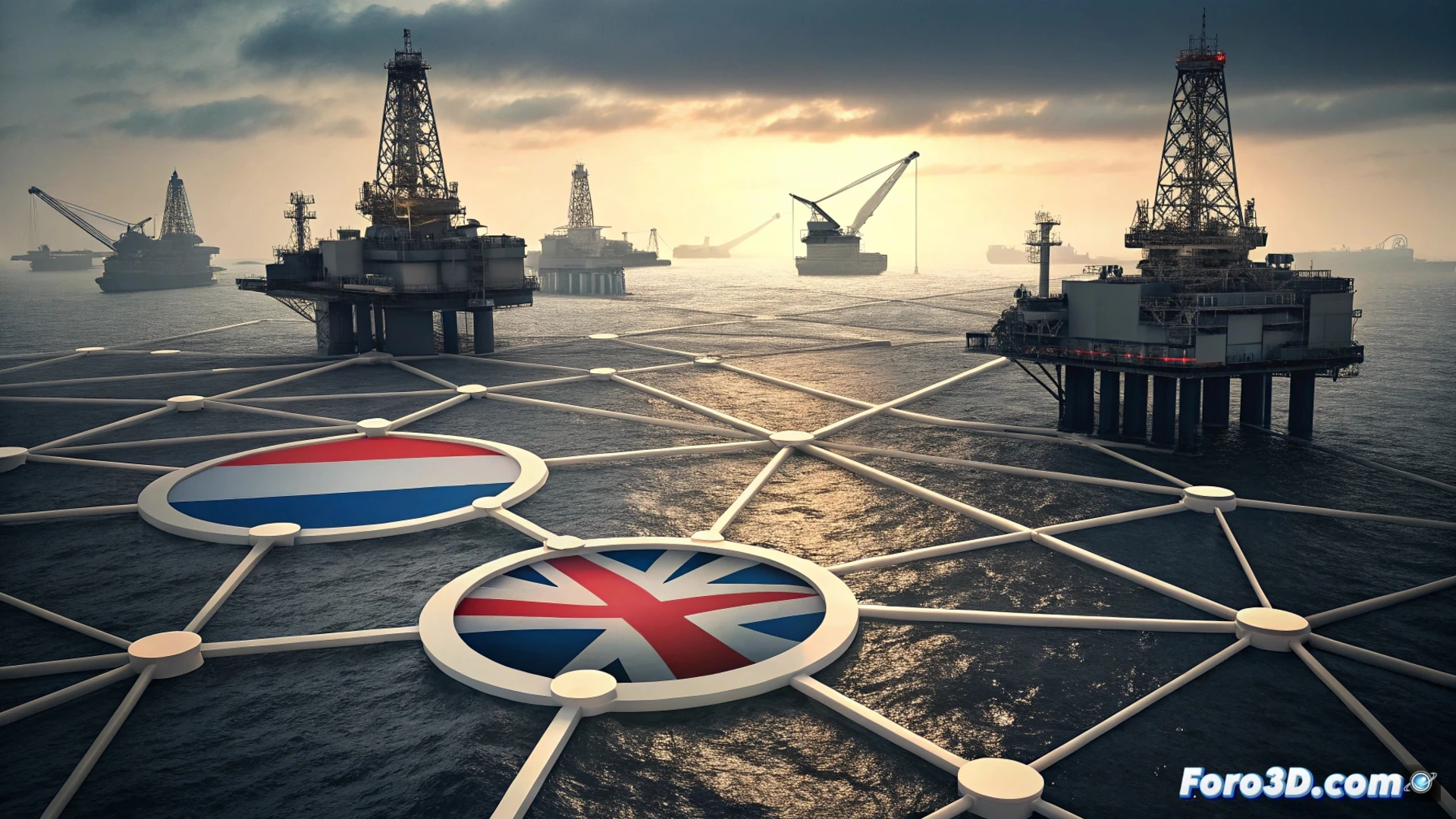
The Role of Analysis and Algorithmic Trading Platforms 🤖
The connection is technically sustained through data analysis platforms and algorithmic trading systems. These tools, operated from financial centers like London, process information from global markets, including fuel prices and shipping routes. Algorithms can execute buy and sell orders for energy derivatives or commodities linked to Russian origin, without the final transaction being explicit. The technological infrastructure enables this opaque trade.
Sanctions? What sanctions? The Art of Financial 'Bouncing' 🌀
It is a financial creativity exercise worthy of study. First, a firm commitment to geopolitical principles is declared. Then, capital traffic is redirected through a complex obstacle course that includes tax havens and shell companies with unpronounceable names. The end result is that Russian diesel, after a journey longer than an interrail tourist's, ends up in some tank with a new certificate of origin. The efficiency of capitalism always finds a way, even if it takes a detour through the Caspian.