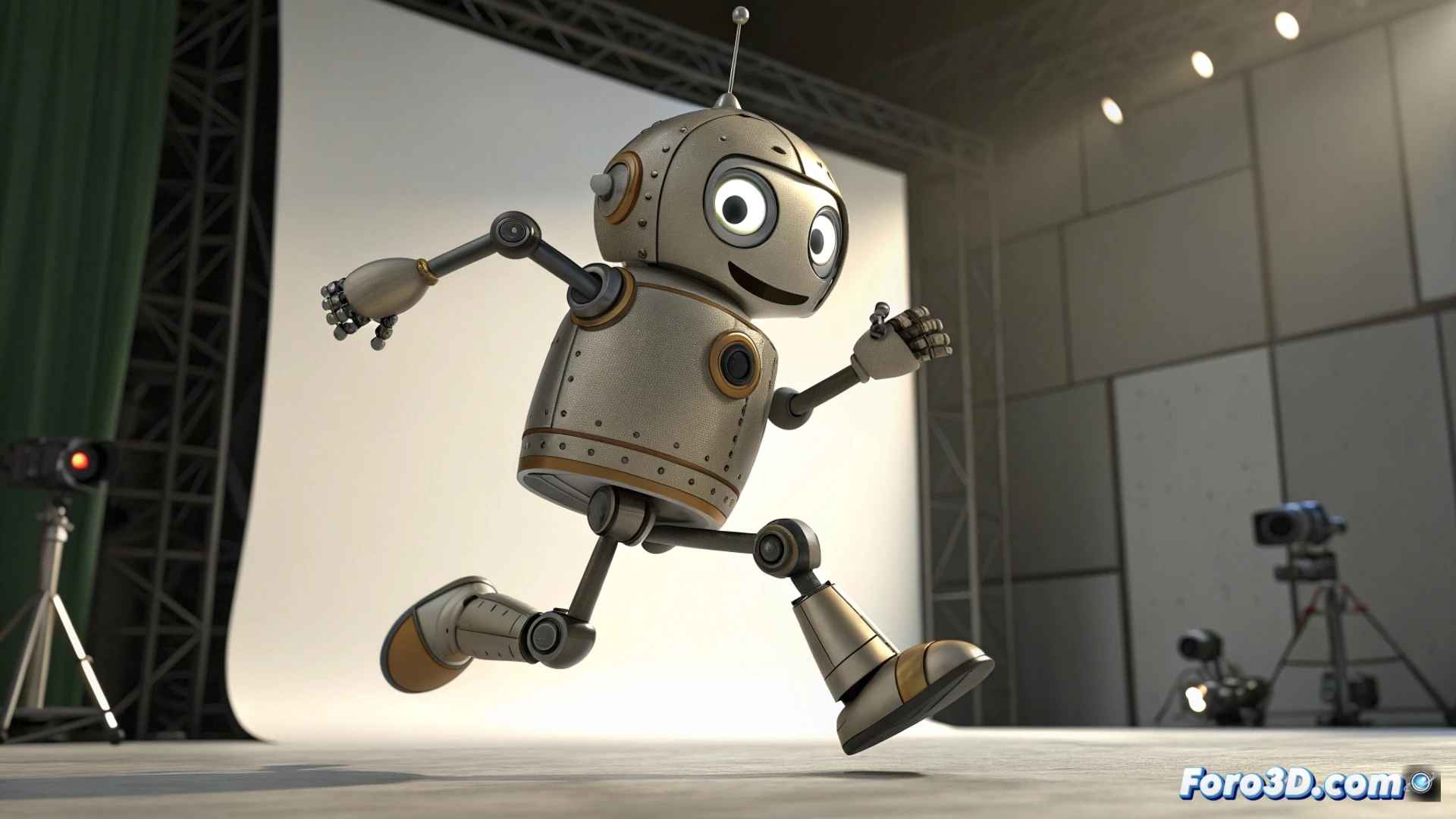
Bringing Cartoon Robots to Life with Organic Animation
Infusing naturalness into a mechanical cartoon-style character requires a strategic fusion. You must take the classic animation principles and adapt them to respect its artificial nature, without falling into absolute rigidity. The goal is to blend the precision of a machine with the fluidity of the living, creating an enchanting and believable result. 🤖✨
Mechanical Foundations with Organic Soul
The foundation lies in modifying proven techniques. Exaggerating squash and stretch is vital, but you must contain the deformation in areas that simulate rigidity, like a metallic torso. Tracing the trajectories of limbs or head using arcs instead of straight lines adds an immediate sense of fluidity. Additionally, playing with timing is crucial: make a movement start slow and end fast, or vice versa. This irregularity breaks the monotonous rhythm and generates a more appealing and lively movement pattern.
Key Pillars to Start:- Controlled Deformation: Apply squash and stretch, but limit it to flexible parts like antennas or joints, keeping the main body sections rigid.
- Curved Trajectories: Animate arms, legs, or the head following smooth arcs to avoid robotic and linear movement.
- Variable Rhythm: Use uneven animation timings. A robot that accelerates and decelerates seems to have more weight and intention.
The charm lies in blending mechanical precision with organic unpredictability. A clumsy robot can be endearing, but one that moves like a metronome is simply boring.
Overlapping Actions and Simulating Inertia
A common mistake is stopping all components at the same time. To avoid it, implement overlapping action. When the main body finishes its turn, allow an arm or antenna to continue its path for a few more frames. The concept of follow through is equally important: after a main action, secondary elements like loose cables, panels, or tools must continue moving due to inertia and then return to their place. This not only simulates weight but adds a layer of physical realism to a stylized design.
How to Apply Inertia and Looseness:- Overlapping Action: Stagger the stopping of different body parts. If the torso stops, let a light element like an antenna swing a bit more.
- Follow Through: Add residual movement to accessories. After the robot jumps, its cables must sway and then stabilize.
- Anticipate the Action: Before the robot walks, make it lean slightly or have its indicator lights blink. This prepares the viewer and makes the gesture more intentional.
Details that Define the Character
Personality is conveyed in the details and how you prepare the actions. Anticipation is a powerful resource: a blink of lights or a slight lean before walking makes the movement seem thought out. For very fast actions, like a quick punch, incorporate smear frames or visual trails. This classic cartoon technique suggests extreme speed without needing to animate every intermediate frame realistically, maintaining the style and energy. In the end, every choice must seek that magical balance between the machine and the character with heart. 🎬