Blasphemous 2: How Unity Powers Its Pixel Art World
The development of Blasphemous 2 relies on the Unity engine to build every aspect of its universe. This technology allows The Game Kitchen to structure everything from the foundation of combat to the way rendering complex scenarios with parallax effects, seamlessly integrating pixel art and physics for precise control of the Penitent. 🎮
Evolution of the Visual Style Toward Greater Richness
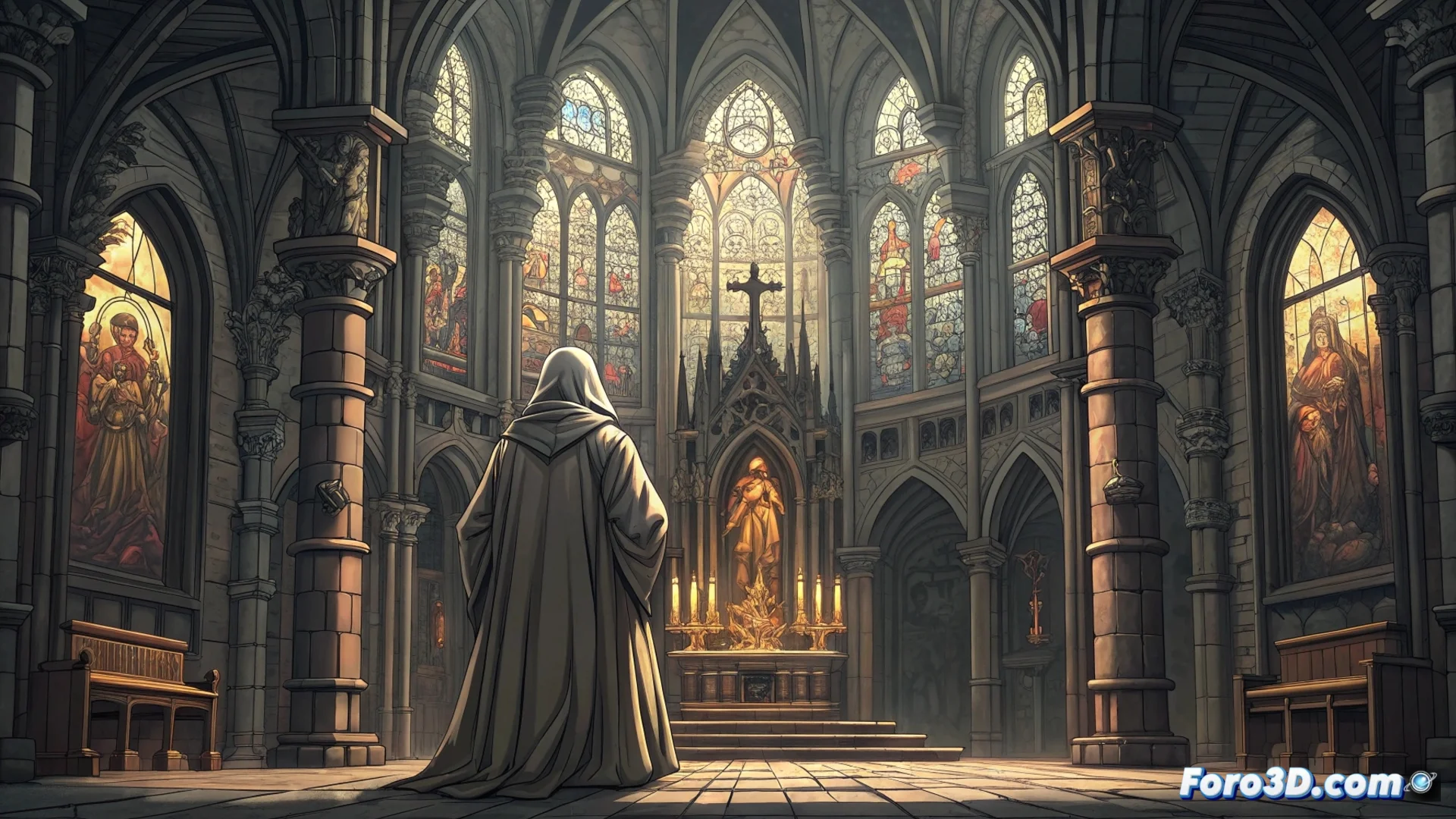
The graphical section takes a step forward, refining the pixel art from the first game. Animations incorporate more frames, granting superior fluidity to character and enemy movements. Backgrounds gain depth and complexity through multiple layers that move at different speeds. The grotesque essence, inspired by Spanish religious imagery, is maintained, but every sprite and environment shows a much higher level of detail. 🖼️
Key Features of the Graphical Evolution:- Fluid Animations: Increased number of frames for more natural and expressive movements.
- Stratified Backgrounds: Use of multiple layers with differential scrolling (parallax) to create a sense of depth.
- Increased Detail: Every visual element, from characters to scenarios, presents greater definition and complexity.
Unity demonstrates its versatility by packaging and running a meticulous hand-drawn 2D world, pixel by pixel.
Workflow and Graphical Tools
To draw and animate the sprites, the development team likely uses specialized software. Aseprite and Photoshop are standard options in the industry for producing this type of art, as they allow precise control over each pixel and generate sprite sheets that Unity then imports and manages. This pipeline is fundamental to achieving the classic yet polished aesthetic that defines the saga. 🛠️
Elements of the Creative Process:- Asset Creation: Use of programs like Aseprite for pixel-by-pixel drawing and animation.
- Engine Integration: Importing sprite sheets and assets into Unity for implementation and management.
- Technical Optimization: Leveraging Unity's capabilities to efficiently render a high-quality artisanal 2D project.
Conclusion: Technical Power at the Service of Art
Blasphemous 2 is a clear example of how a powerful engine like Unity can be used to enhance and preserve a traditional artistic style. Far from being limited to advanced 3D graphics, its architecture adapts to organize, render, and animate a 2D universe of extraordinary visual richness, demonstrating that technology and pixel art craftsmanship can converge to create unique experiences. 💀