A research project explores the possibility of incorporating vaccine antigens into fermented beverages, such as beer. The idea seeks to offer an alternative to traditional injection. This concept immediately sparks debate about its practical, legal, and moral implications, blurring the line between food, medicine, and public health tool.
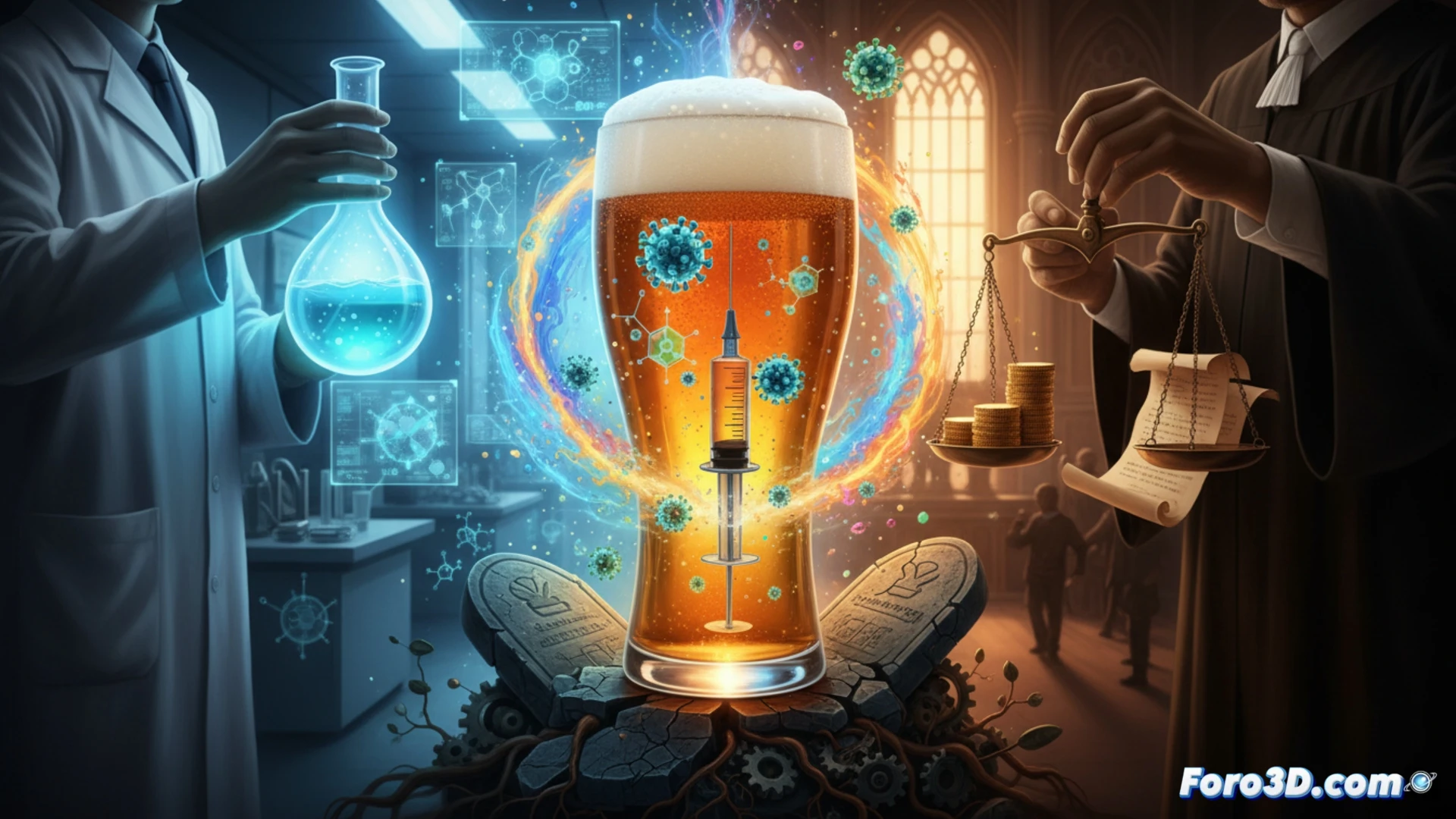
The Biotechnology Behind Immunizing Beer 🧫
The development is based on engineering yeasts or lactic acid bacteria to produce specific antigenic proteins during fermentation. The main technical challenge is ensuring the antigen's stability in a hostile environment (pH, alcohol) and guaranteeing it reaches the intestine without degrading to induce a mucosal immune response. The exact dosage per unit of volume is another critical obstacle.
Your Next Pint Might Require a Prescription 🍺
Imagine the scenario: going to the bar and, in addition to asking if you want a draft or a bottle, the bartender demands your medical history. Is it to go or to consume here with its booster dose? New styles could emerge: Immuno-Boosted IPA, Anti-Flu Lager, or a triple-antigen stout. Not to mention the traffic jams at pharmacies on Friday afternoons.