Bauhaus University of Weimar presents a project that investigates the union between additive manufacturing and artisanal techniques. This initiative seeks to combine digital precision with the tactile and aesthetic value of traditional crafts. The goal is to create objects where the manual and the digital complement each other, enriching contemporary design training. On foro3d.com, the physical materialization of digital designs is a constant topic of analysis.
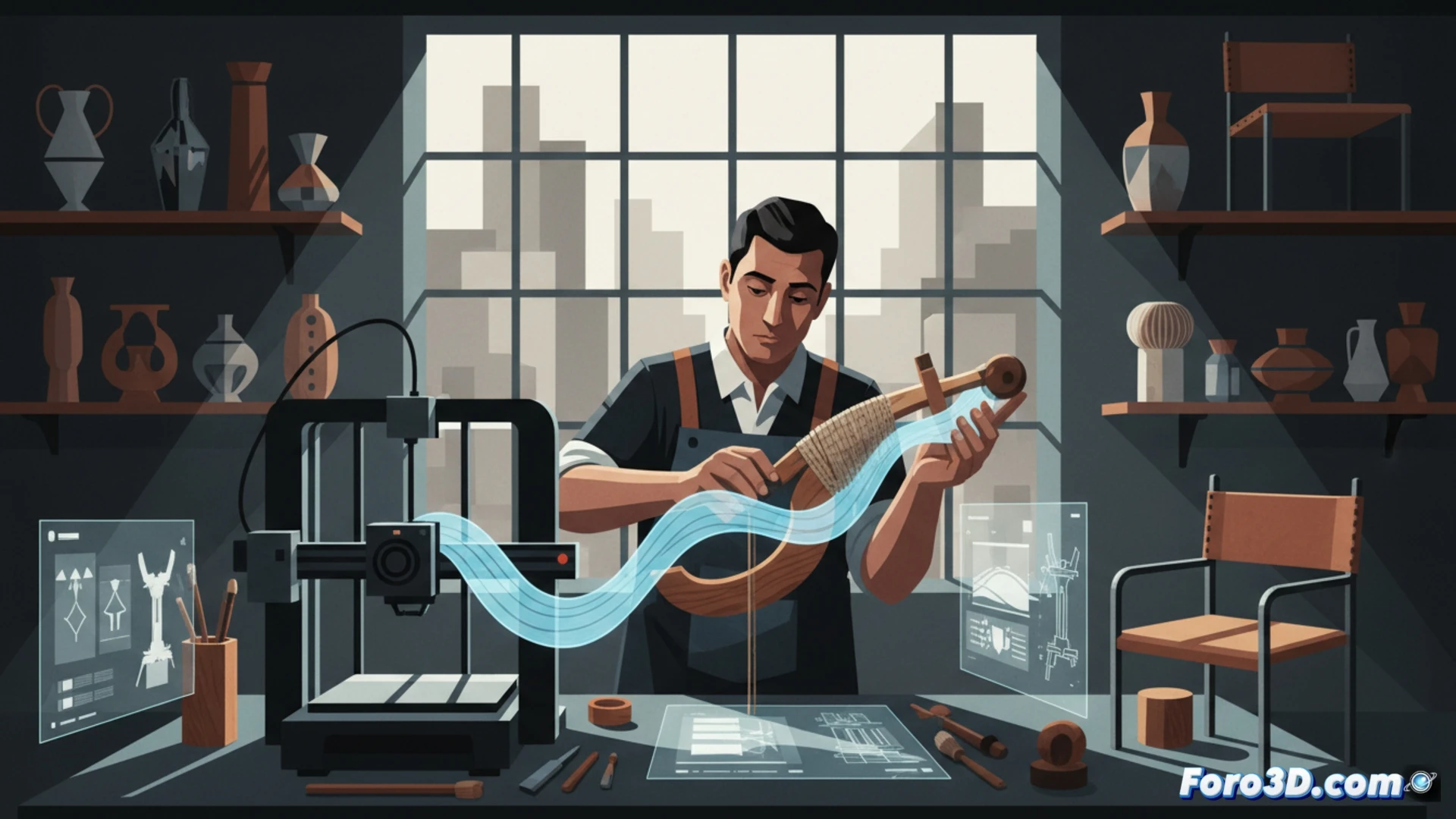
Technical Integration: Printing Parameters and Manual Finishing ⚙️
The development focuses on preparing 3D models with geometries that facilitate subsequent interventions. Parameters such as infill density and wall thickness are adjusted so that the pieces can withstand processes like carving, dyeing, or inlaying. The choice of materials is key; filaments that allow good sanding or adhesion of other elements are prioritized. This hybrid workflow requires planning from the slicing software the stages of artisanal post-processing.
When the Nozzle and the Chisel Sign a Peace Treaty 🤝
It's the dream of any designer: that the 3D printer does the boring and tedious part, leaving for human hands the pleasure of getting dirty with lacquer or sanding their fingers. Finally, a collaboration where the G-code doesn't rule alone, and accepts that a precise hammer blow can be the best post-processing. Maybe soon we'll see filaments that smell like a carpenter's workshop or an extruder that, in a burst of sensitivity, decides to leave artistic imperfections for us to fix.