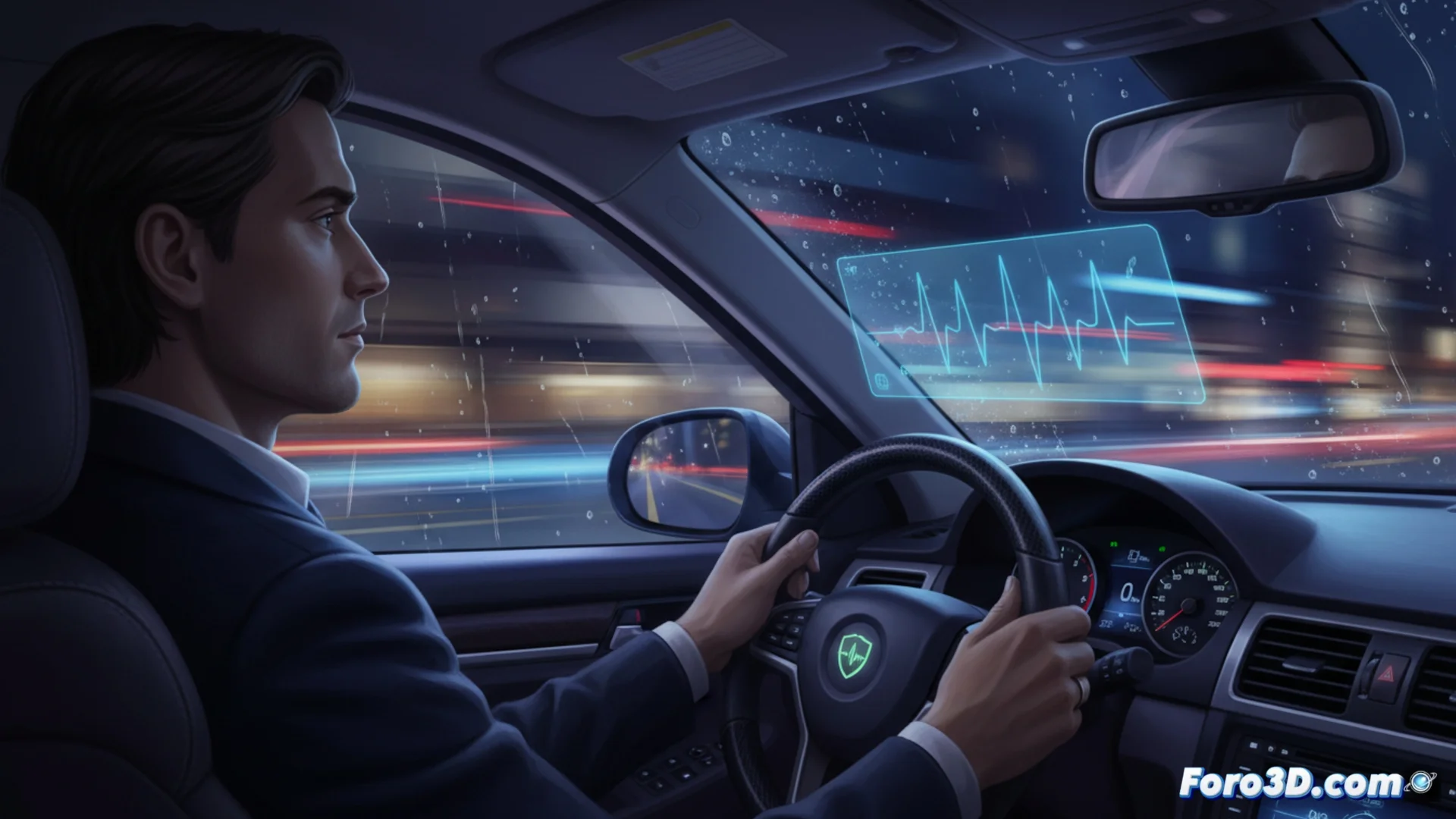
An artificial intelligence system analyzes voice to detect stress in drivers
Scientists in Japan have created a new technology that uses artificial intelligence to listen and evaluate the state of the driver. This system processes the voice in real time to find signs of fatigue or nervous tension, acting as a preventive guardian on the road. 🚗💻
How does the voice analysis mechanism work?
The process begins when an integrated microphone captures the user's voice. This audio data is sent immediately to a AI algorithm that has been specifically trained for this purpose. The key is to compare the current vocal patterns with a baseline model of that person's usual voice, looking for significant deviations that reveal a problem.
Key elements analyzed by the AI:- Tone and modulation: Changes in the pitch and quality of the voice sound.
- Speed and rhythm: Alterations in speaking fluency, such as unusual pauses or slower speech.
- Other acoustic patterns: Technical characteristics that can vary with physical and emotional state.
The system does not record or transmit conversations, it only analyzes the technical characteristics of the voice to preserve user privacy.
Main objective: avoid road accidents
This initiative seeks to address one of the most common risk factors on the roads: driving under the effects of extreme fatigue or high stress levels. When the algorithm detects that these parameters exceed a safe threshold, it can activate a sound or visual alert inside the cabin. The purpose is for the driver to become aware of their condition and consider stopping to rest. ⚠️😴
Features and implementation context:- It is proposed as a complement to existing ADAS systems, adding a layer of user state monitoring.
- Its integration is feasible both in new vehicles and in mobile device applications.
- It works as a tool for proactive safety, trying to anticipate a possible incident.
Considerations and future perspectives
Although this technology promises to be an ally against microsleeps at the wheel, it generates an interesting debate. Some drivers might feel more pressure knowing that an AI is constantly evaluating them. However, its creators emphasize that the analysis is purely technical and anonymous. The future of safe driving could integrate more and more this type of biometric sensors that watch over our well-being. 🤖🛡️