The American figure skater Alysa Liu concluded her participation in the 2026 Winter Olympics with the gold medal in the women's individual event. Her performance, which combined highly difficult technical elements with elegant execution, allowed her to surpass the rest of the competitors. This result consolidates her career and was celebrated at the award ceremony, receiving recognition for her dominance in the short and free programs.
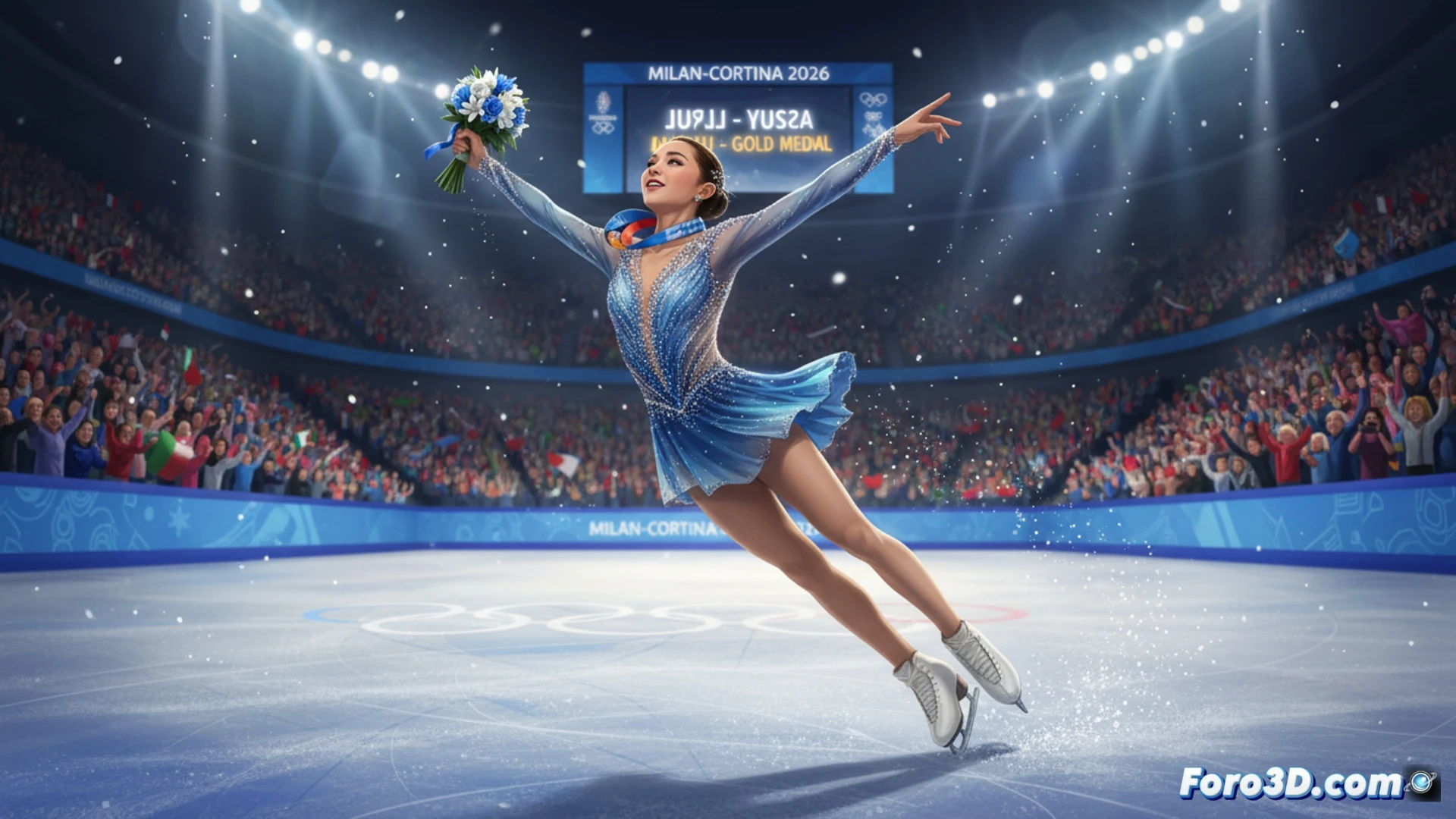
The Technology Behind the Precision: Analysis of Jumps and Biomechanics 🤖
Liu's performance is supported by training where technology plays a central role. Motion capture systems and biomechanical analysis allow breaking down each jump, such as the triple axel or the lutz, to optimize thrust force, air position, and stability on landing. Simulation software helps correct body posture and rotation speed, transforming data into concrete adjustments that improve consistency and reduce the margin of error.
What if Our Render Crashes with Less Elegance Than a Skater? 😅
While we watch Liu fall from a complicated jump and get up to continue her program without losing rhythm, one thinks of their last render. There it is, the screen freezes at 95%, the software crashes unexpectedly, and your reaction is far from Olympic calm. There's no dramatic background music, nor an audience applauding your resilience. Just silence and the certainty that you'll have to repeat hours of work, without being awarded a medal for the effort.