A Hope with a Proper Name for Children with Duchenne
Can you imagine that a single error in the body's manufacturing manual can completely alter a life? This defines Duchenne muscular dystrophy, where the production of dystrophin fails, the protein that acts as structural support for the muscles. Without this molecular scaffold, muscle tissue degenerates progressively. Science now responds with a strategy that seeks to correct that error at its origin. 🔬
The Mechanism of the Genetic Messenger
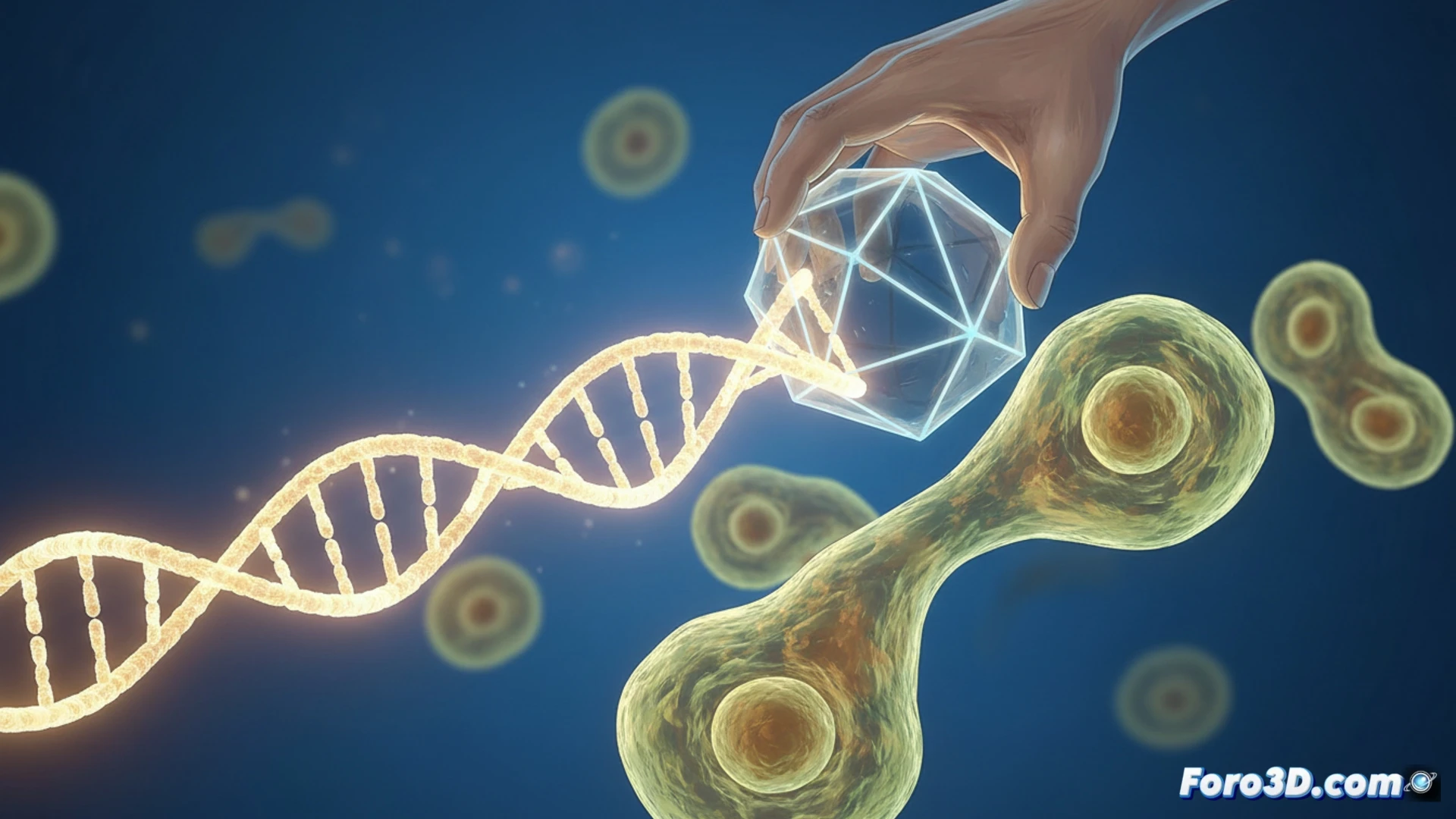
This gene therapy operates like a high-precision mail system. Its goal is to deliver the correct genetic instructions to muscle cells. To do so, it employs a modified viral vector, a virus altered in the laboratory that is safe and does not cause disease. This messenger transports a functional copy of the necessary gene directly to the cell nucleus. Once inside, the cell's machinery reads the new code and begins to manufacture the much-needed dystrophin protein. It is a profound and direct intervention.
Key Details of the Process:- The vehicle is a recombinant virus specifically designed to infect muscle cells efficiently and safely.
- It does not repair the original defective gene, but rather adds an extra copy that works correctly.
- The cell uses this new genetic information to produce dystrophin and help maintain the integrity of muscle fibers.
It's like having a book with an illegible page. Instead of restoring the ink, you paste a new leaflet with the correct text. The cell follows the leaflet's recipe.
An Approach for a Specific Window of Opportunity
A crucial aspect is that this therapy, called Elevidys, has a very specific indication. It is approved for administration to children aged 4 and 5 years. The reason is strategic: it aims to act in an early phase, when accumulated muscle damage is still limited and the tissue retains greater capacity to respond to treatment. Intervening early maximizes the potential benefit.
Curious Points about This Therapy:- The strategy of adding an extra gene avoids the technical risks of trying to edit or repair the defective genome directly.
- The treatment is a single dose designed to have a lasting effect, although studies continue to evaluate its long-term permanence.
- It represents a paradigm shift, moving from merely managing symptoms to addressing the underlying genetic cause of the disease.
Precision Engineering as the Response
It is amazing that a solution for such a complex disorder can reside in a tiny, redesigned biological tool. What seems close to magic is, in reality, precision engineering at the nanoscale. This advance not only offers a new possibility for Duchenne but also paves the way to apply similar strategies in other genetic conditions. 🧬