The analysis of the *Alnashetri cerropoliciensis* fossil, a dinosaur found in Argentina, provides data on the early evolution of alvarezsaurids. This adult specimen, weighing about 700 grams, had forelimbs with three developed fingers, a more primitive condition than that of its later relatives. Its structure suggests it was a generalist predator, not an insect specialist.
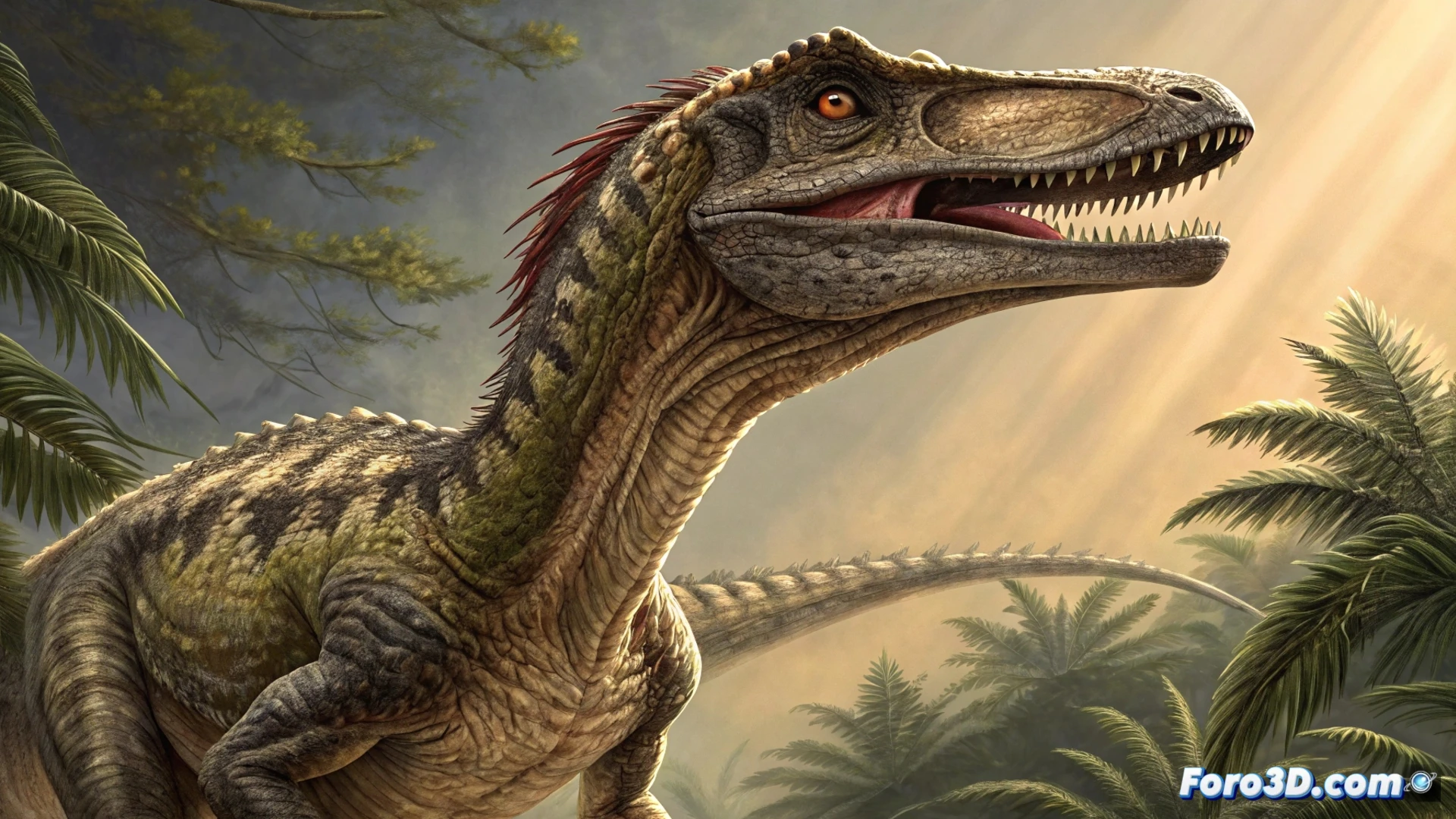
Evolutionary iteration: miniaturization preceded specialization 🧬
This discovery acts as an early commit in the evolutionary repository of alvarezsaurids. It shows that the extreme reduction in body size was the first significant change, a genetic base refactor. Specialized anatomical adaptations, such as reduction to a single functional finger for digging, came later, as features added in a derived branch. The sequence raises a design question: what selective pressure first drove miniaturization?
The evolutionary cost-cutting plan: first be small, then specialize 💼
The evolutionary strategy of this group seems like a business plan with phases. First, a drastic staff reduction, shifting to a lightweight 700-gram company model. Only afterward, with energy savings secured, was there investment in R&D to develop specialized tools, like that arm turned into a single appendage for pecking at anthills. A lesson that sometimes you have to shrink the office first to then buy the expensive equipment.