The National Archaeological Museum presents an exhibition on 19th-century forgeries. The exhibition analyzes how the collecting fever of the era, fueled by Romanticism, generated a market hungry for antiquities. This led to a massive production of fraudulent objects that were acquired as authentic. Today, these forgeries are studied as testimonies to the tastes and practices of their time.
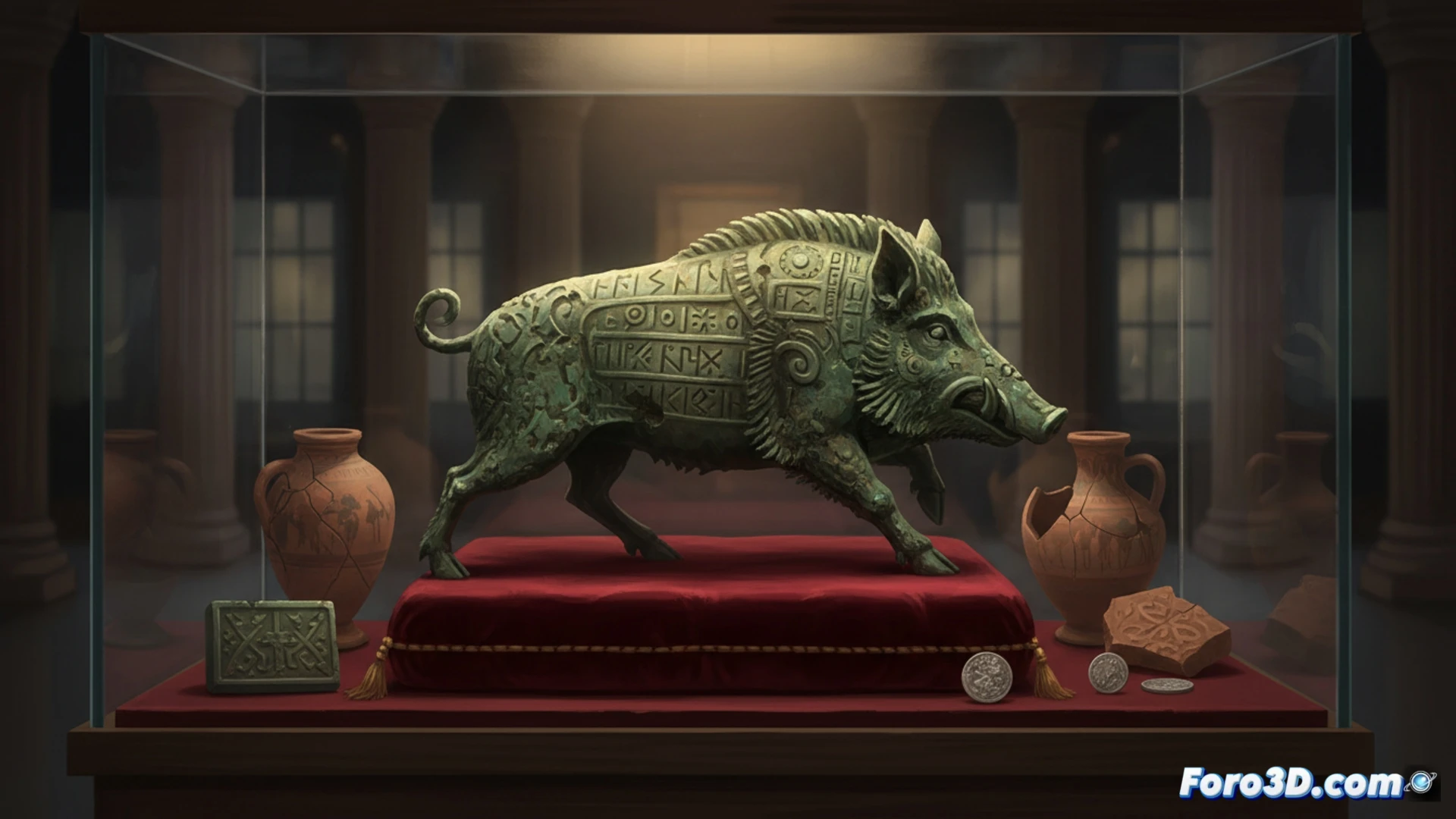
Forensic analysis as a tool for unmasking 🔍
Current authentication relies on techniques such as mass spectrometry or X-ray fluorescence. These methods allow for the analysis of the elemental composition of metals and patinas, detecting anachronisms. Multispectral photography reveals overpainting and corrections, while radiocarbon dating settles debates about the age of organic materials. Technology not only uncovers fraud but also documents the forger's creative process.
Tutorial: how your forgery can end up in a museum 😉
If your replica of a Celtic sword doesn't convince collectors, don't be discouraged. Store it carefully in the attic. In 150 years, experts will analyze it with lasers and admire it as a sublime example of postindustrial kitsch art. Your clumsy soldering will be a historical testimony to early 21st-century DIY techniques. Time heals all wounds, and turns everything into a museum piece.