Heart rate variability, or HRV, has become the trendy metric in smartwatches. It promises to reveal your stress level with just a glance at your wrist. But is it really a reliable window into your mental state? Columnist Helen Thomson explores whether this indicator can predict depression and improve mental health, beyond a simple graph.
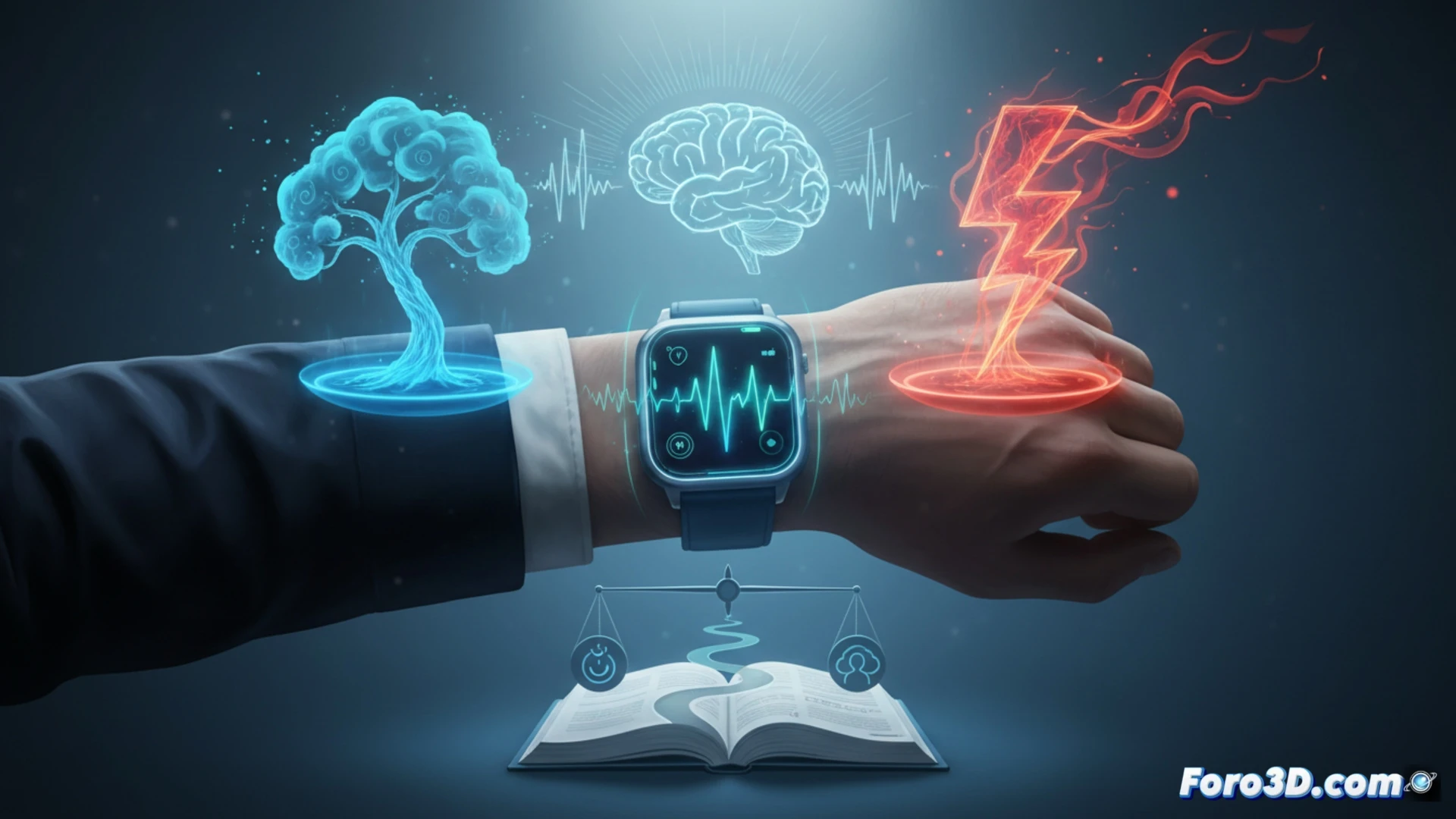
From pulse to diagnosis: HRV as a mental biomarker 🧠
HRV measures the time between heartbeats, reflecting the balance between the sympathetic (fight or flight) and parasympathetic (rest and digest) systems. Low variability is associated with chronic stress and an increased risk of depression. The optical sensors in wearables allow continuous monitoring of these patterns. Recent research analyzes whether machine learning algorithms can detect subtle changes in HRV to anticipate depressive episodes, turning a physical data point into a psychological warning signal.
When your watch tells you you're down (and you just wanted coffee) ☕
Sure, now your smartwatch warns you that your stress is through the roof. And you thought it was just because of the morning traffic jam. The funny thing is, according to HRV, lying on the couch watching memes can be more relaxing than guided meditation. Of course, if the watch diagnoses you with depression, at least you'll have a tech excuse to cancel plans. The blame is no longer yours; it's the heartbeats'.