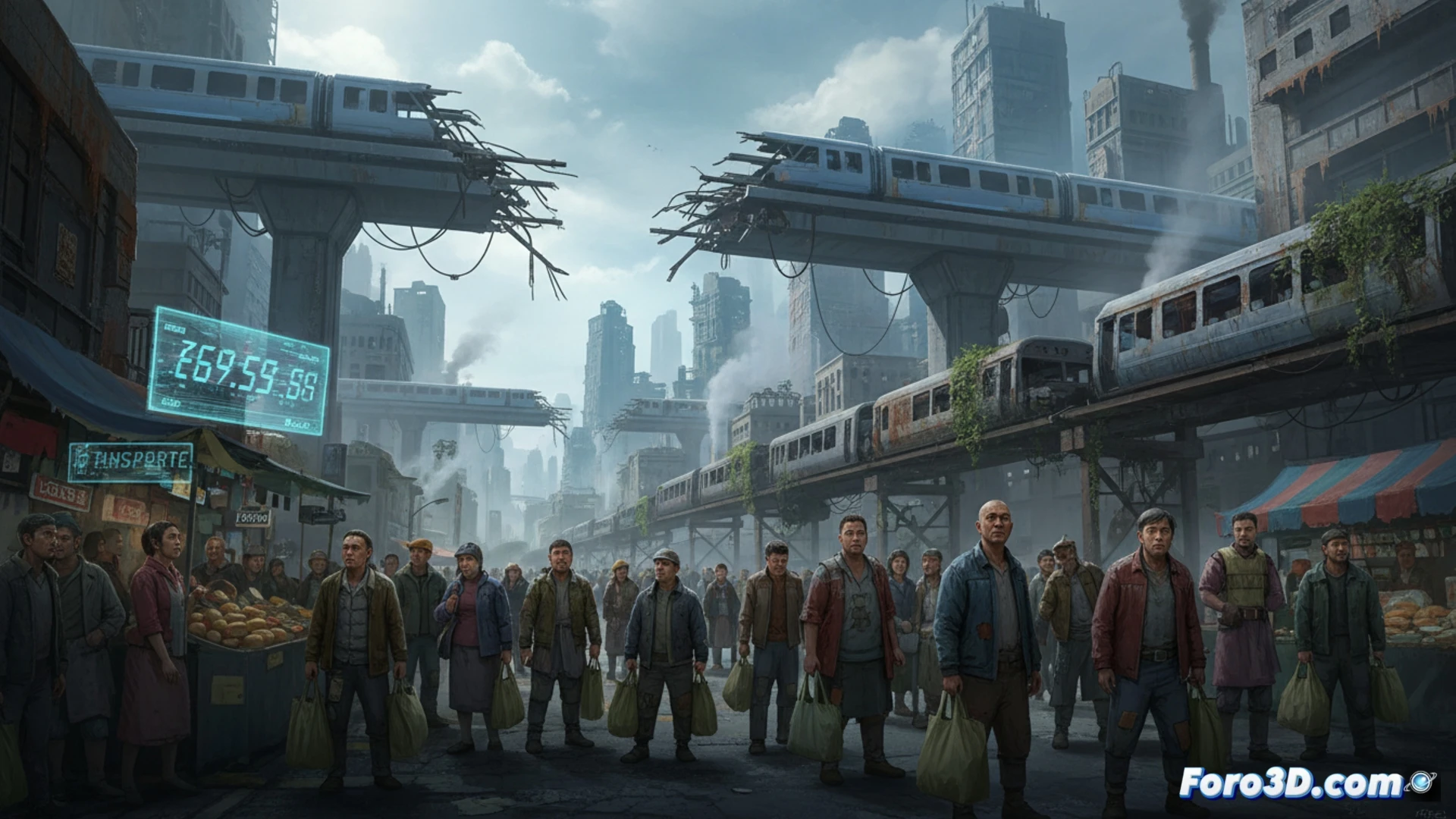
The railway modernization works promised to connect cities with Swiss punctuality, but the reality is different: closed sections, constant delays, and services operating at half capacity. While engineers adjust schedules and reroute passengers to buses, ticket prices have already risen by 15% in the last quarter. The citizen pays more for a service that still isn't fully operational.
The Technical Development That Just Won't Get Going 🚧
The ERTMS signaling system, key for European interoperability, has been installed on barely 30% of the main network. The new variable-gauge trains, designed to run without transfers, have faults in the track changers. Certification deadlines have doubled, and dynamic tests are still not completed on the high-speed sections. The traffic management software, with three pending updates, does not synchronize schedules between stations. The result is a network running on technical patches.
Paying More to Arrive Late: The New Railway Punctuality 💸
The logic is impeccable: if the train doesn't work, let the price go up. This way, at least, the traveler pays a premium fare for the privilege of waiting on an unheated platform. Monthly passes have gone up, but the carriages remain the same. Of course, now you can arrive at your destination 45 minutes later for 20% more money. A bargain if you consider that waiting time now has an official cost.