Journalist David Cox got a scare at age 34: his biological age, measured by accumulated damage in the body, was 36. Without changes, by age 50 he would have a high risk of diabetes or cancer. In The Age Code, he explores how diet can reverse this process, based on his own experience and multiple laboratory tests.
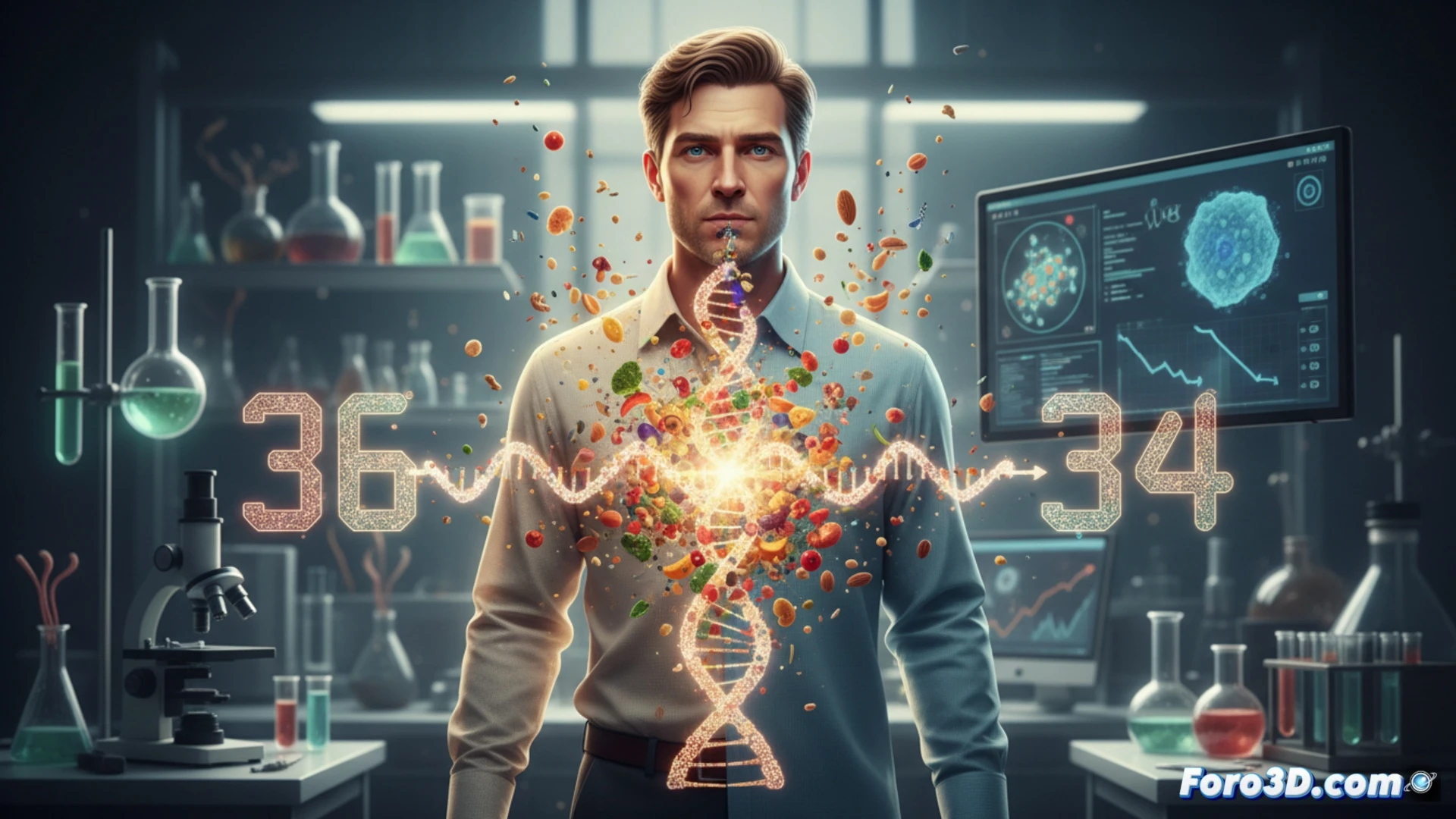
The cellular mechanism behind the biological clock 🧬
Cox discovered that his diet, loaded with sugars, cookies, and fast food, triggered factors like excess calories and cellular inflammation. The book details how eating habits influence telomeres and DNA methylation, key markers of aging. Although biological age has limitations (different tests yield variable results), he found consistency across three tests, which lends weight to his thesis: modifying what you eat can slow or reverse damage.
Spoiler: cookies are not the fountain of youth 🍪
If you thought munching on cookies at three in the afternoon was an act of rebellion against time, I'm sorry to tell you it's not. Cox tried it, and his body responded with premature aging and a direct ticket to the doctor's waiting room. The good news is you don't need an astronaut diet: just cut out ultra-processed foods and give more love to legumes. Your biological age will thank you, even if your sugar craving protests.