For two decades, psychological horror has proven that true fear lies not in cheap scares or explicit violence, but in the paranoia that grows inside your head. Films like Hereditary or The Babadook leverage everyday situations to generate dread, making you question every shadow and every silence in your own home.
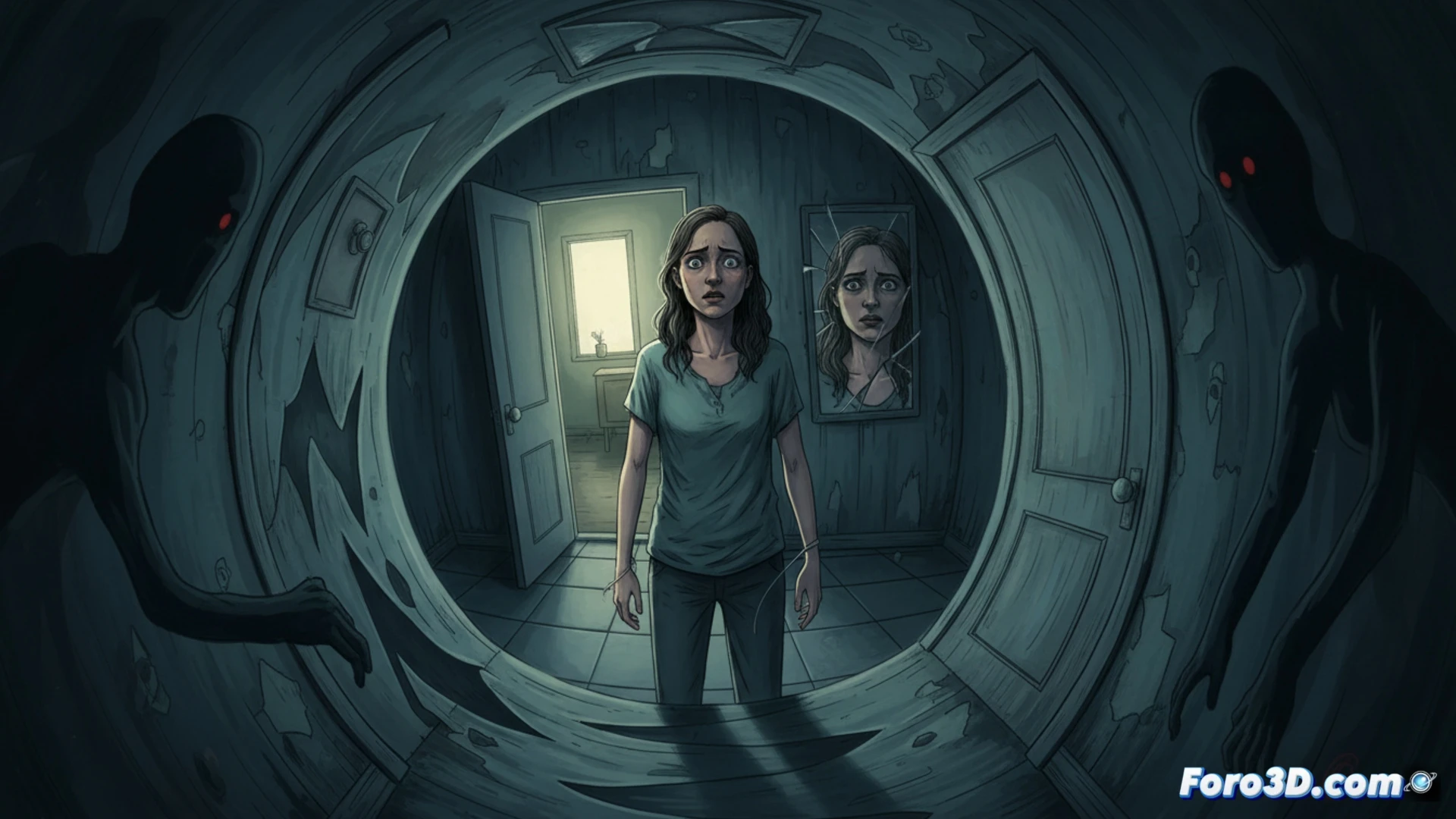
The engine of fear: how technology builds paranoia in modern cinema 🧠
The development of this subgenre relies on precise technical tools: long takes that trap the viewer in the character's anxiety, soundtracks with infrasonic frequencies that generate physical discomfort, and editing that fragments reality. Ambient sound, without music, becomes the greatest ally in creating tension. Slow motion and tight framing force you to look for clues where there are none, mimicking the protagonist's obsession. Everything is designed so that the unease doesn't end when you leave the theater.
When your own home becomes more suspicious than an axe murderer 🏚️
The worst part about these films is that you then arrive at your living room and start looking at the closet with different eyes. You wonder if that noise in the kitchen is the cat or the beginning of your descent into madness. And when you see a shadow, you remember that in The Invisible Man there was nothing supernatural, just an ex-boyfriend with bad vibes and an expensive suit. So, thank you, A24, for turning my home into a potential crime scene.