A new generation of radioactive drugs, based on radioligand therapy, promises to attack tumor cells with surgical precision, reducing the side effects of traditional chemotherapy. However, the success of this technology threatens to generate a demand for radioisotopes that will exceed current supply, sparking a global race to produce them from nuclear waste and other alternative sources.
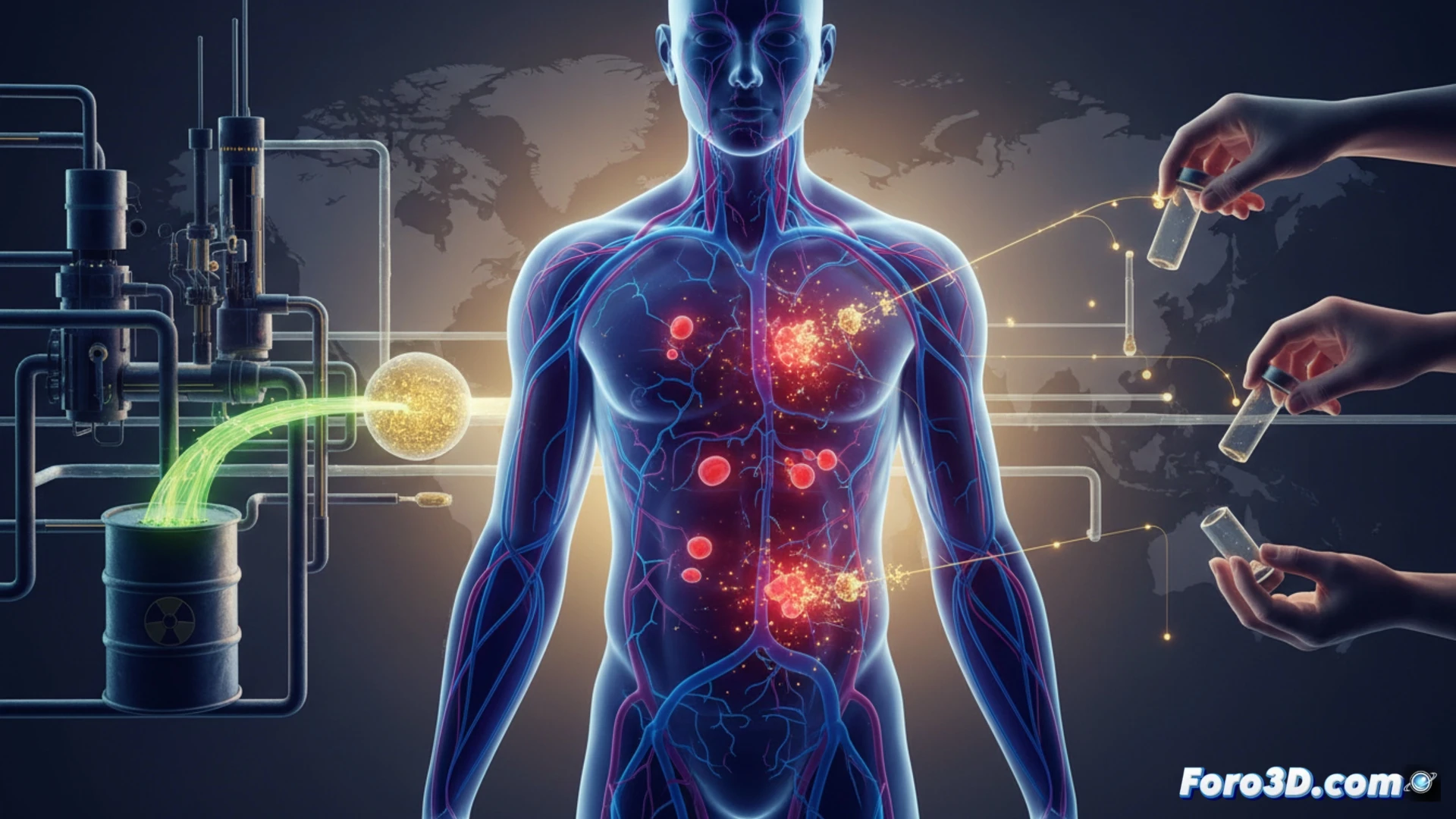
The nuclear race for therapeutic isotopes ⚛️
The development of these treatments depends on isotopes such as lutetium-177 or actinium-225, whose production is limited and costly. The emerging solution involves recycling waste from nuclear plants, a complex process requiring specific reactors and advanced chemical separation systems. Several countries and companies are now competing to build infrastructure to secure supply, knowing that without scalable production, these therapies will remain in the hands of a few.
The dark side of radioactivity: scarcity and gold prices 💰
While scientists celebrate the potential of these drugs to eradicate tumors with sniper-like precision, patients could face the harsh reality that the treatment costs as much as a luxury car. The paradox is evident: we have the silver bullet, but we are running out of silver. And, as always, the nature of the market will dictate that those with the deepest pockets will have the best chance of survival. Ironies of modern life.