In the current Marvel landscape, data indicates that Spider-Man carries greater commercial weight than the Avengers team. His comic sales record is consistent, and his mythology, filled with characters like Venom or Norman Osborn, easily generates crossover events. This sustained impact positions him as a central element for the publisher's narrative and franchise strategy.
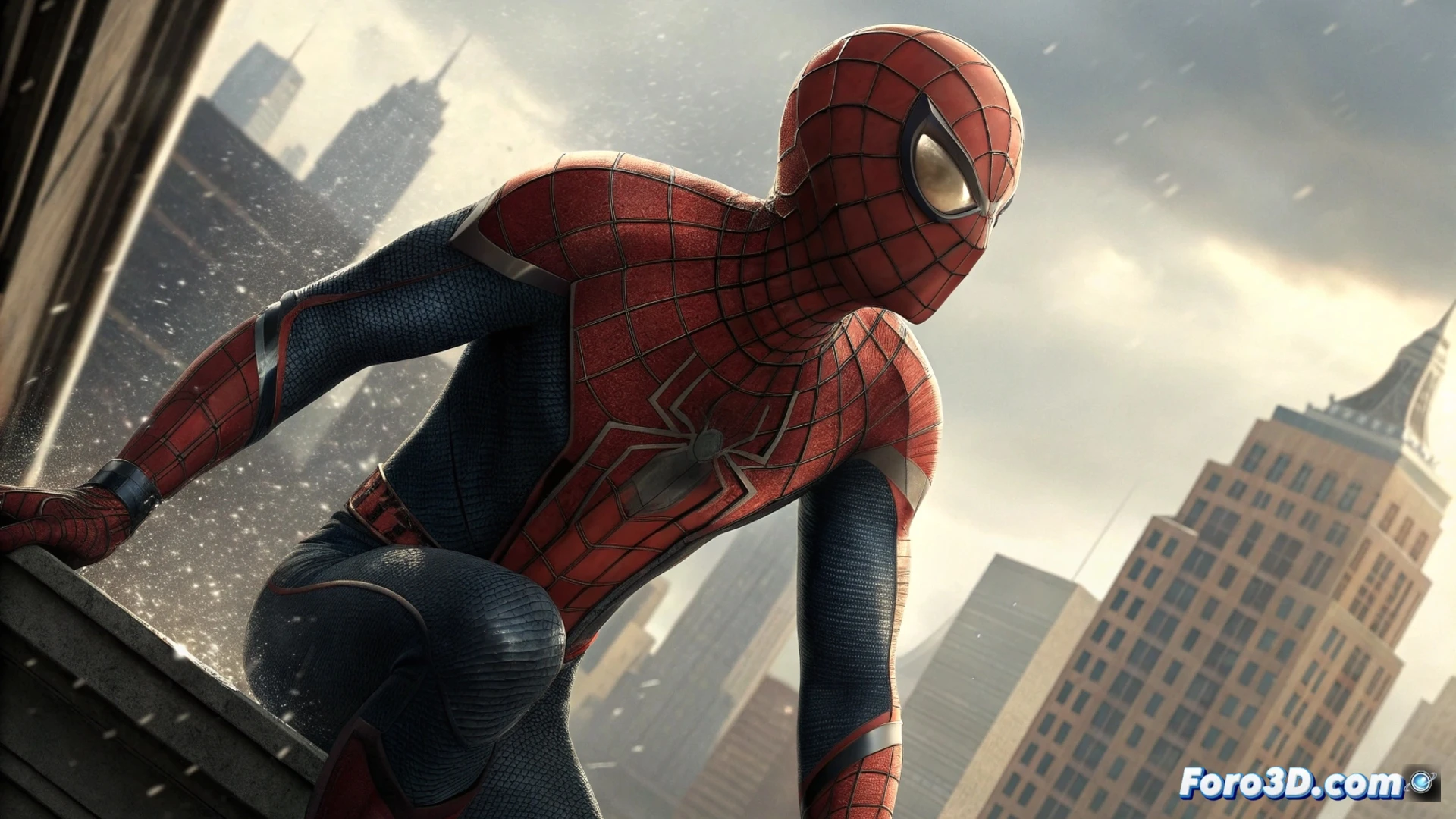
The Narrative Engine: Architecture of an Expandable Universe 🕸️
Spider-Man's effectiveness lies in his design as the core of a self-sufficient yet interconnected narrative ecosystem. His lore acts as a stable framework, where secondary characters can evolve into global antagonists, driving sagas like Dark Reign. This system allows for iterations and crossovers without relying on the main Avengers continuity, offering a content pipeline that is more predictable and lower risk for Marvel.
The Avengers, That Very Expensive Support Group 💸
Meanwhile, the Avengers function as an expensive team project that requires constant coordination meetings and stratospheric budgets to save the world. Spider-Man, on the other hand, resolves multiversal crises almost by inertia and delivers pizza on the side. The conclusion is clear: on Marvel's spreadsheet, a single, well-managed spider-man yields more profit than a dozen overqualified heroes arguing in a tower.